Hermes Trismegistus — Pimander — Asclepius [3 pieces]

CA$3,125.00
Only 1 available

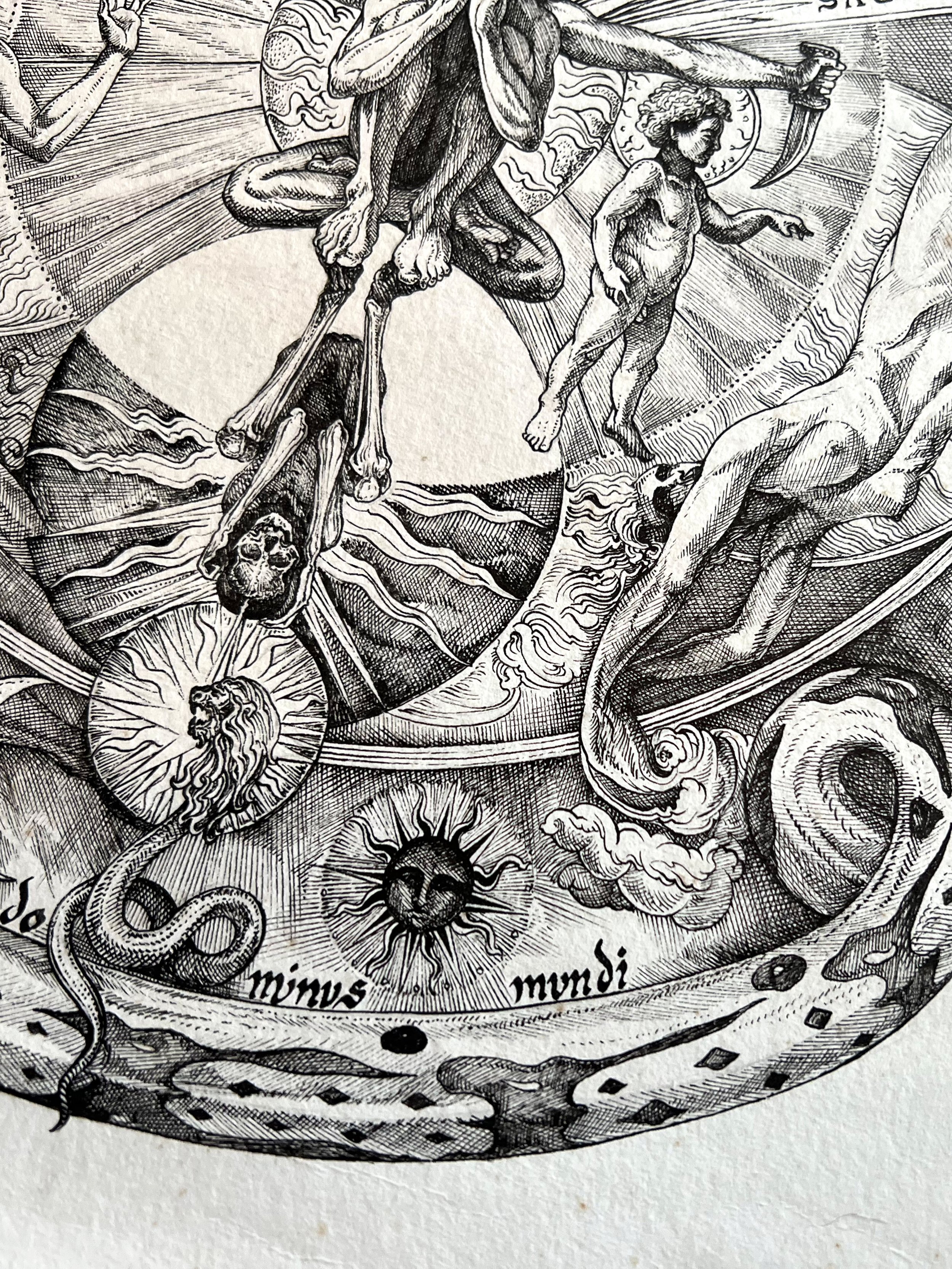
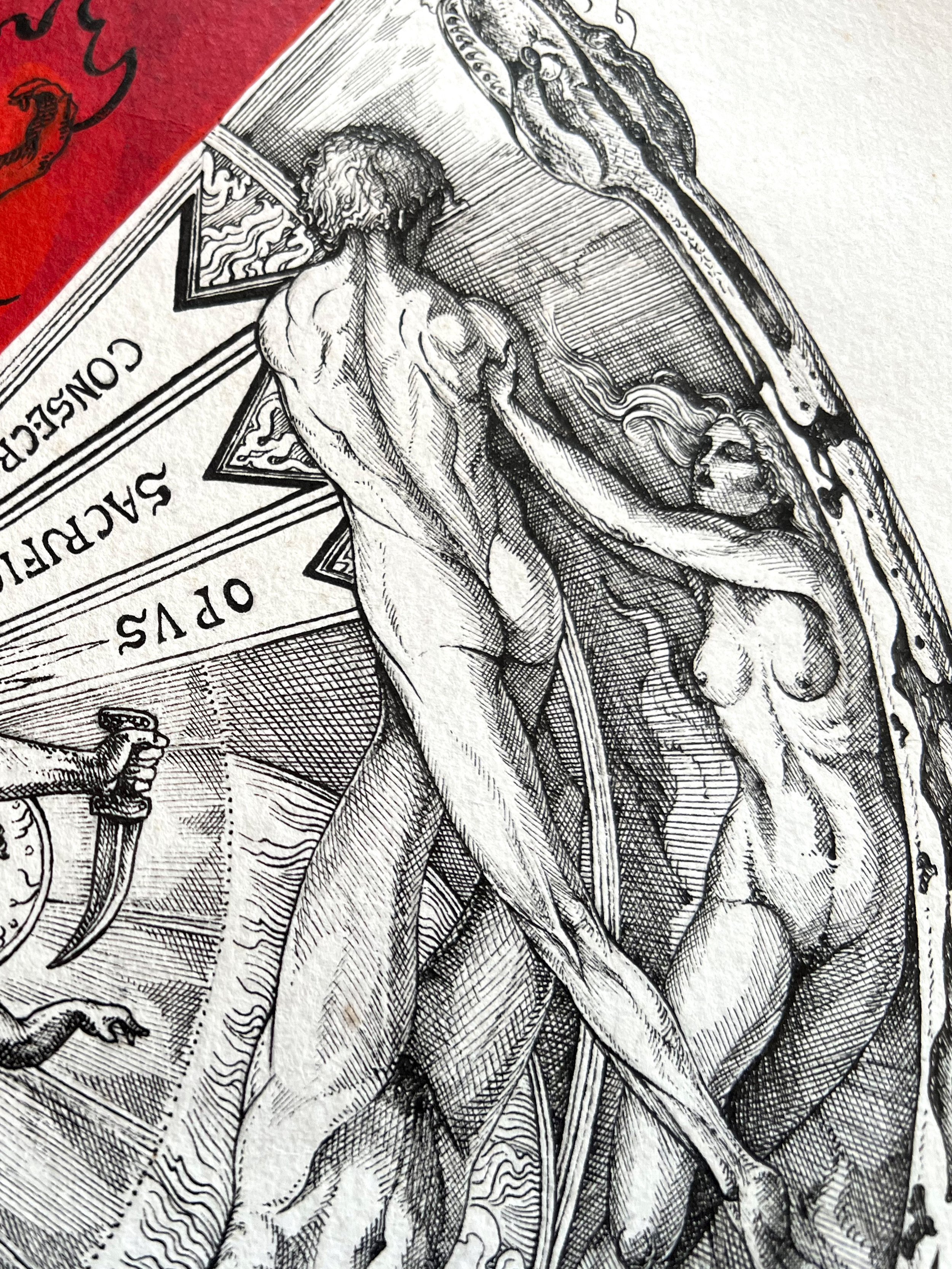
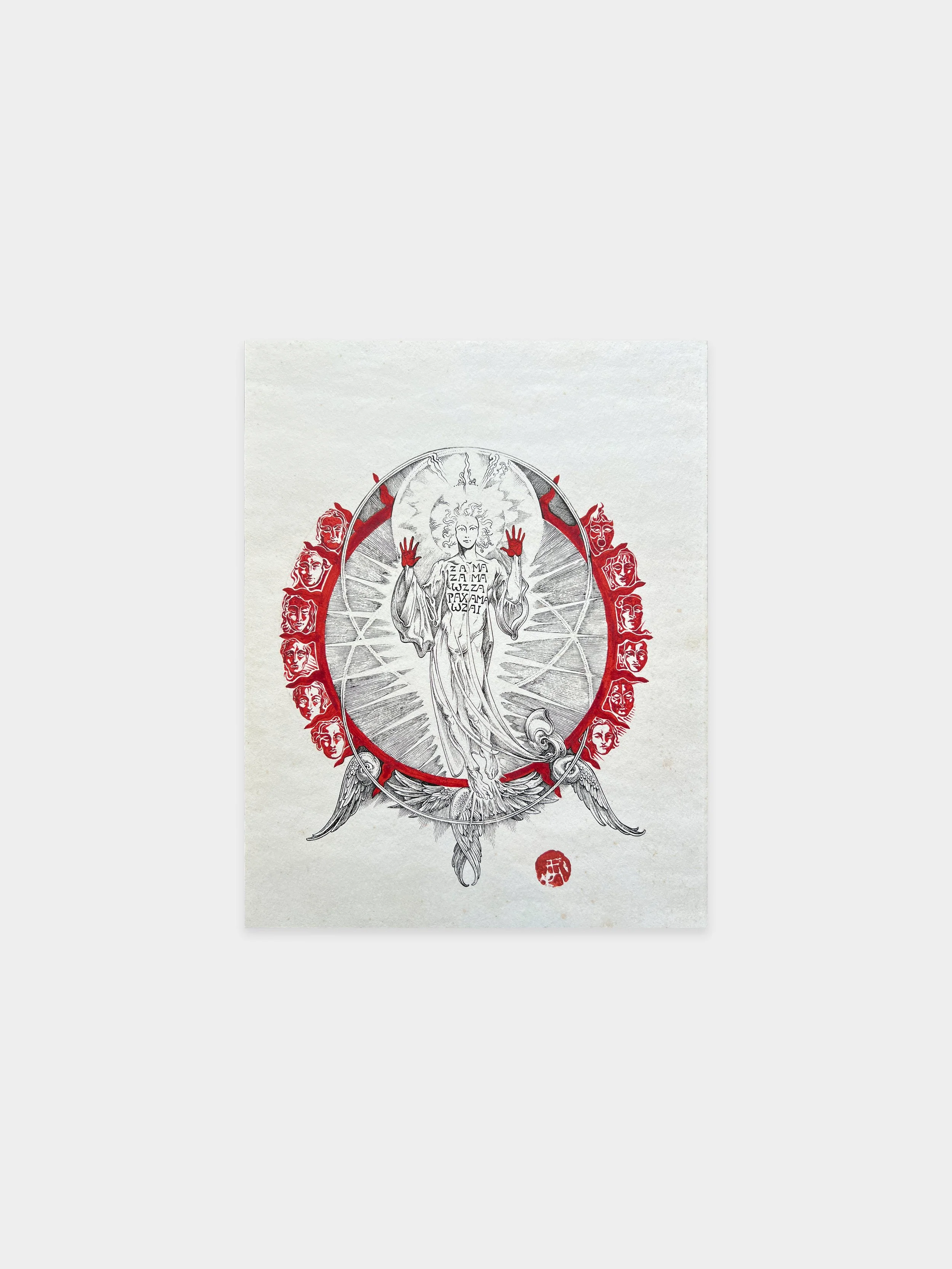
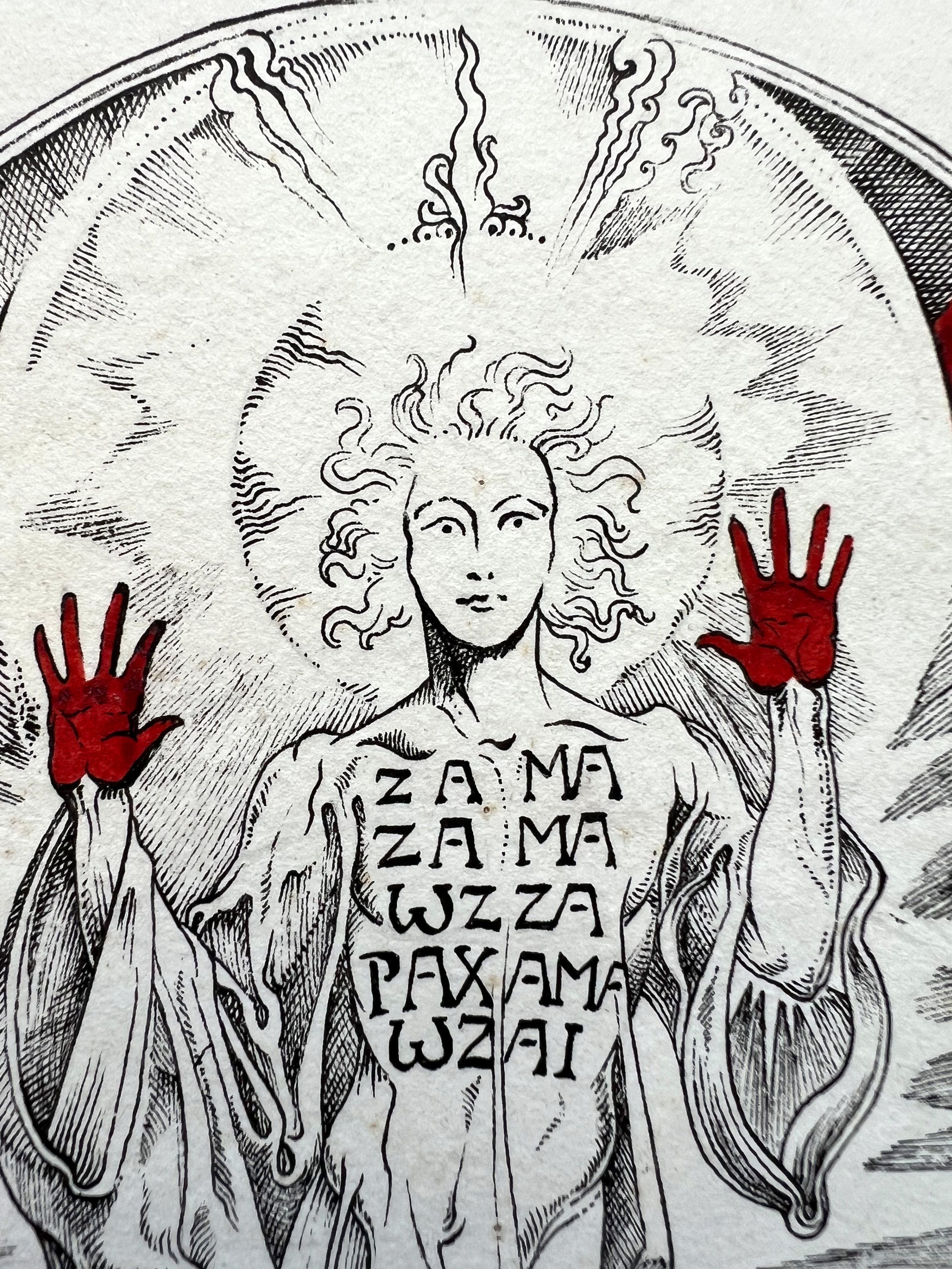
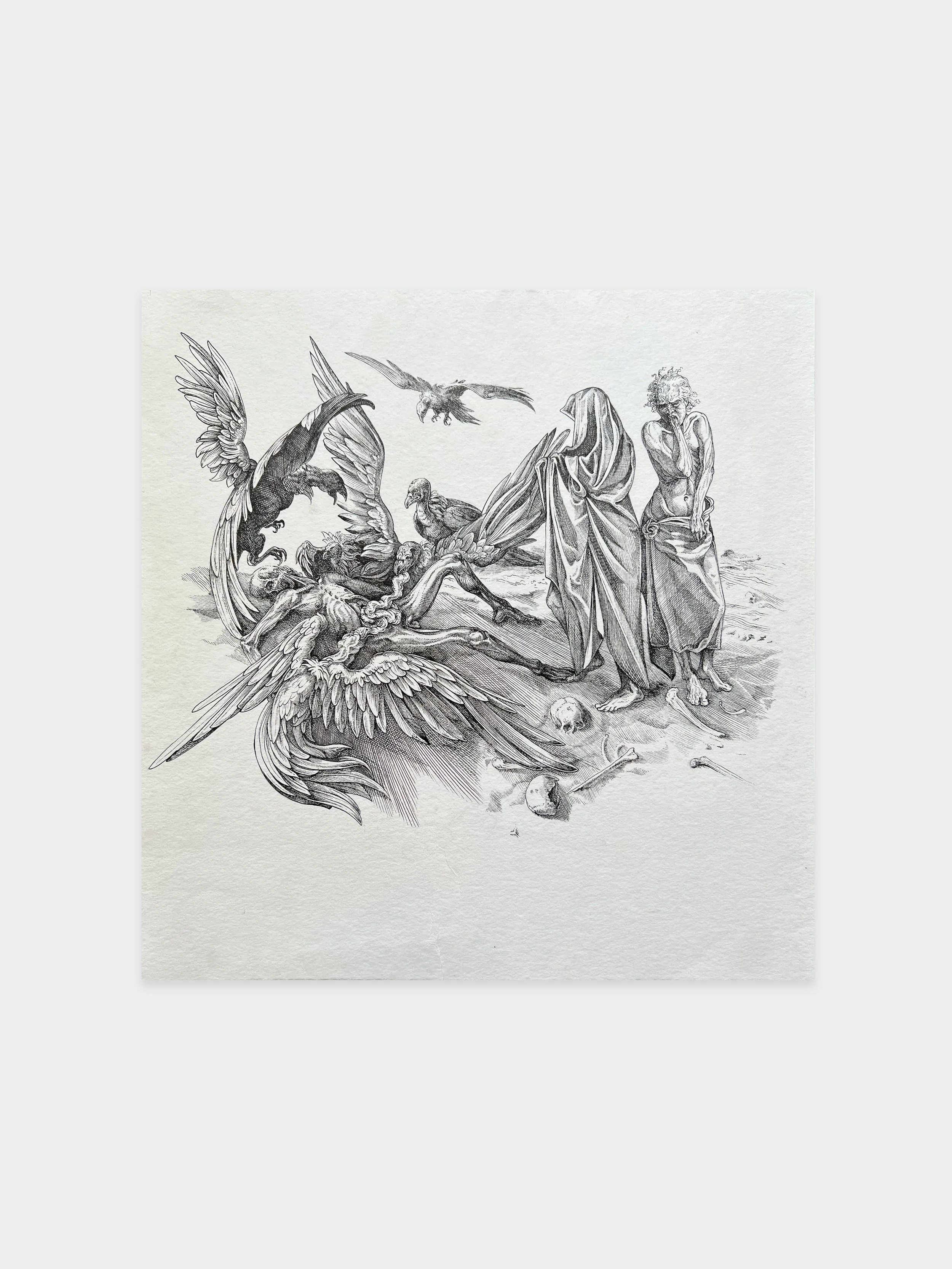
Pieces drawn for David Litwa’s edition of the Hermetica I: The Corpus Hermeticum, Asclepius, and Nag Hammadi Hermetica Ordered as a Path of Initiation, published by Fount Ultd., in 2026.

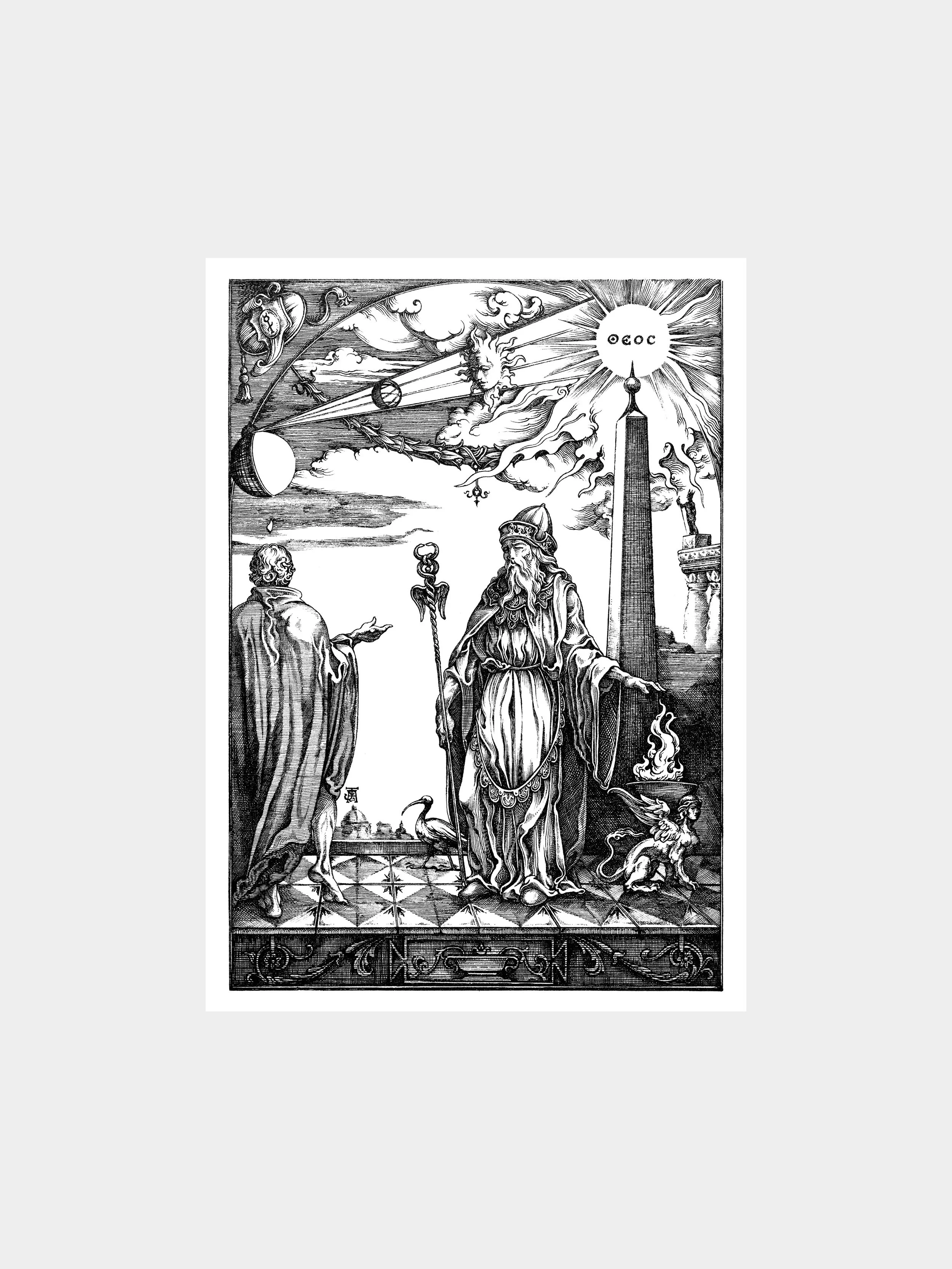
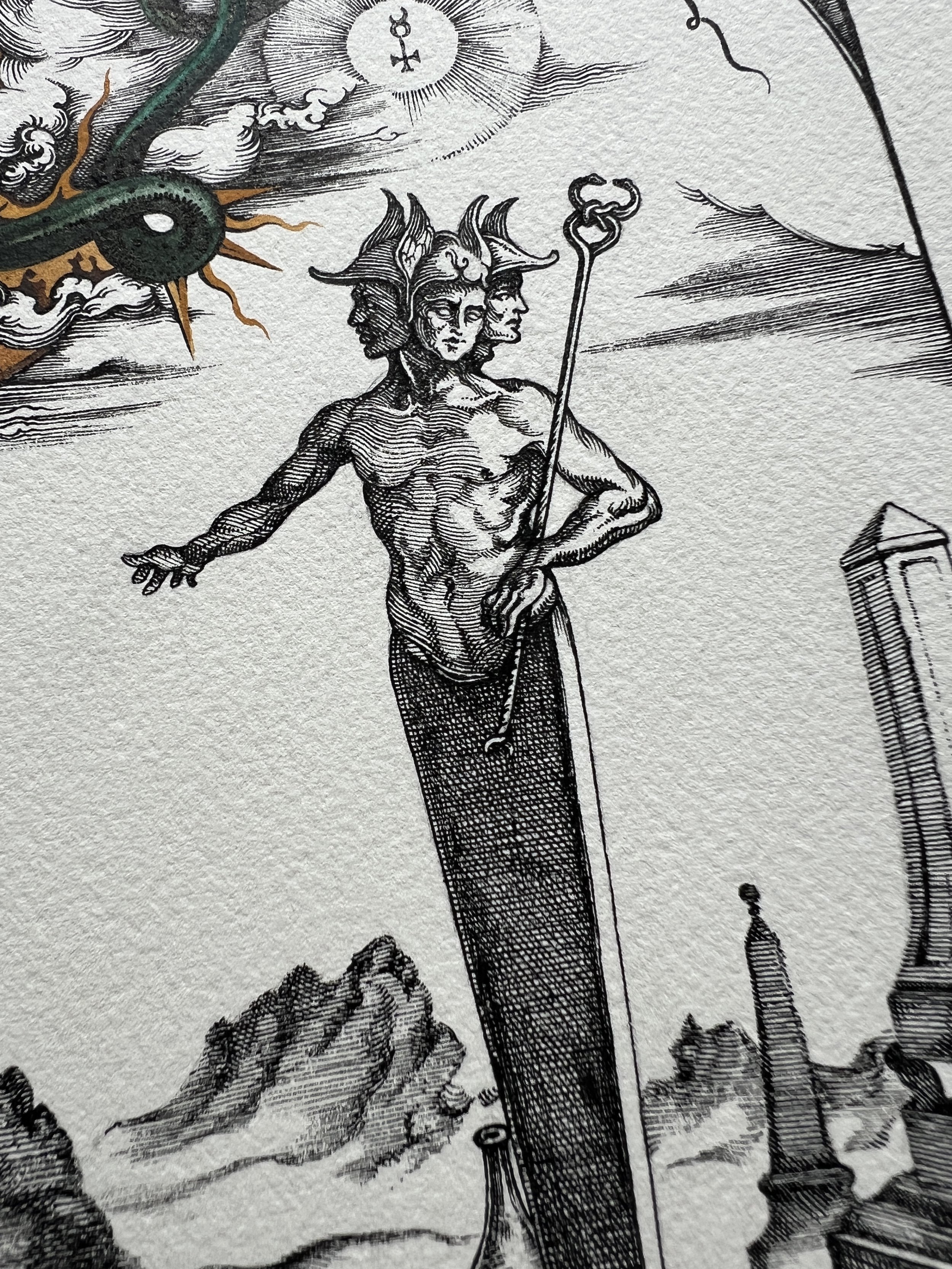
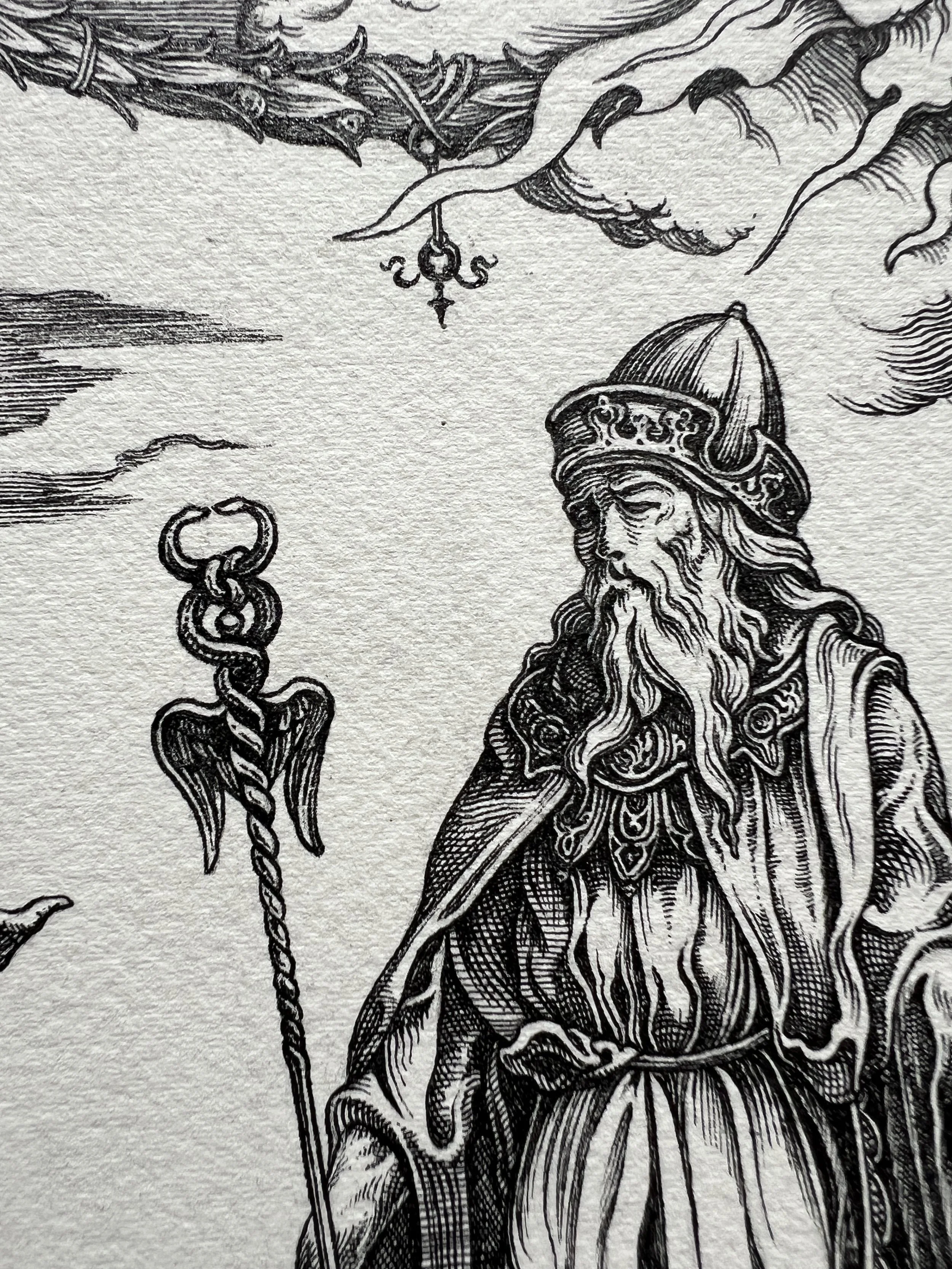
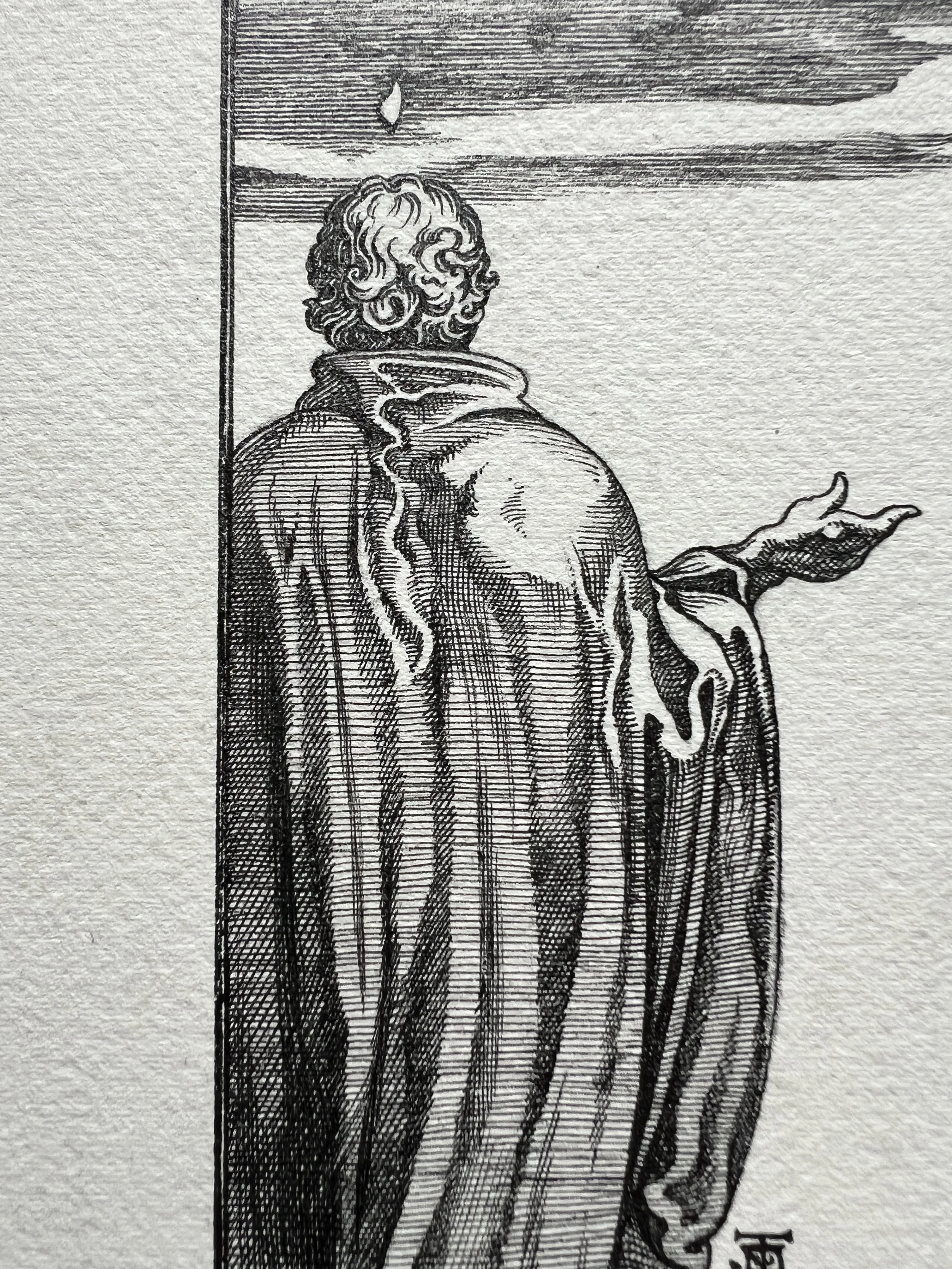
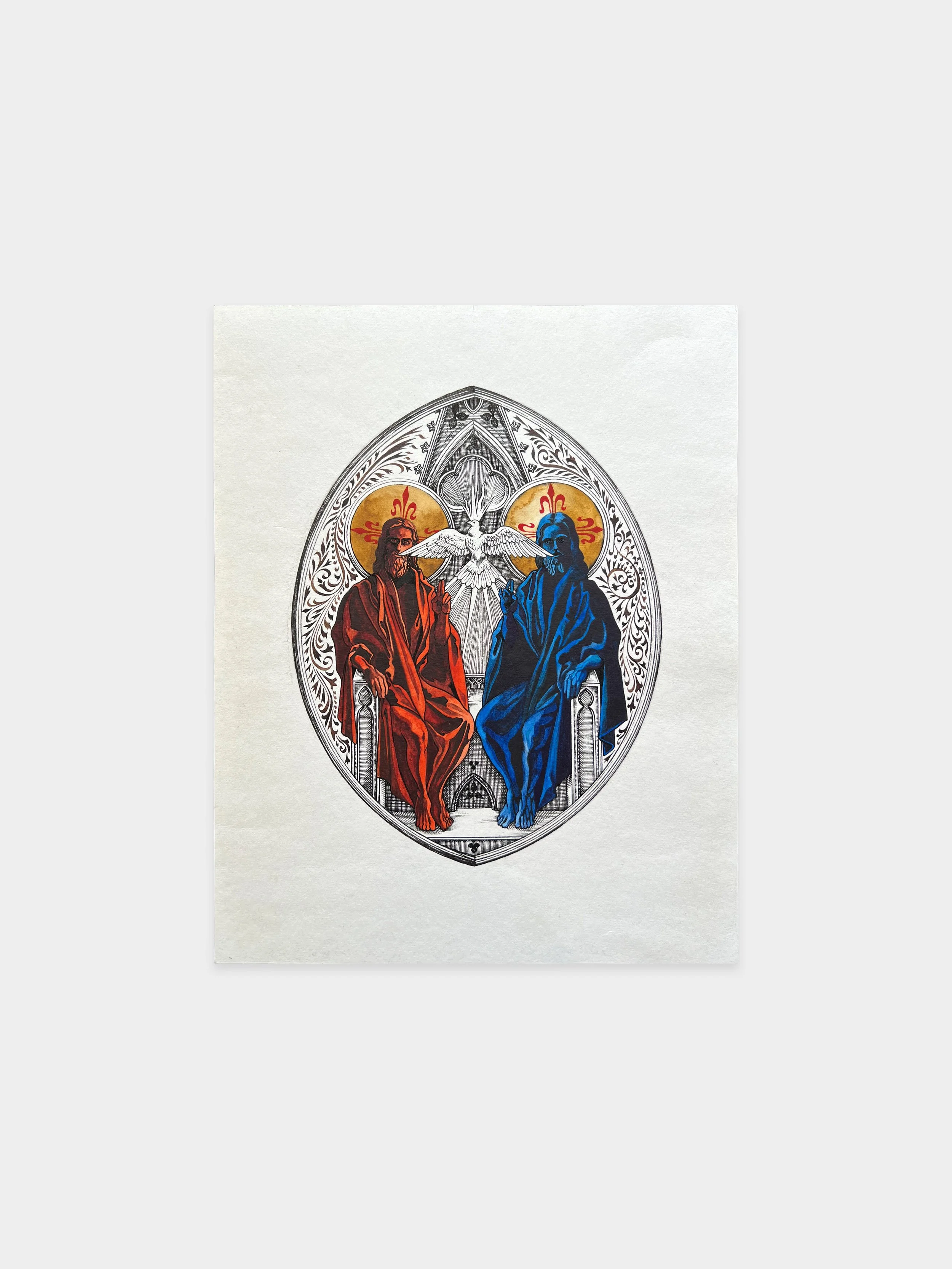
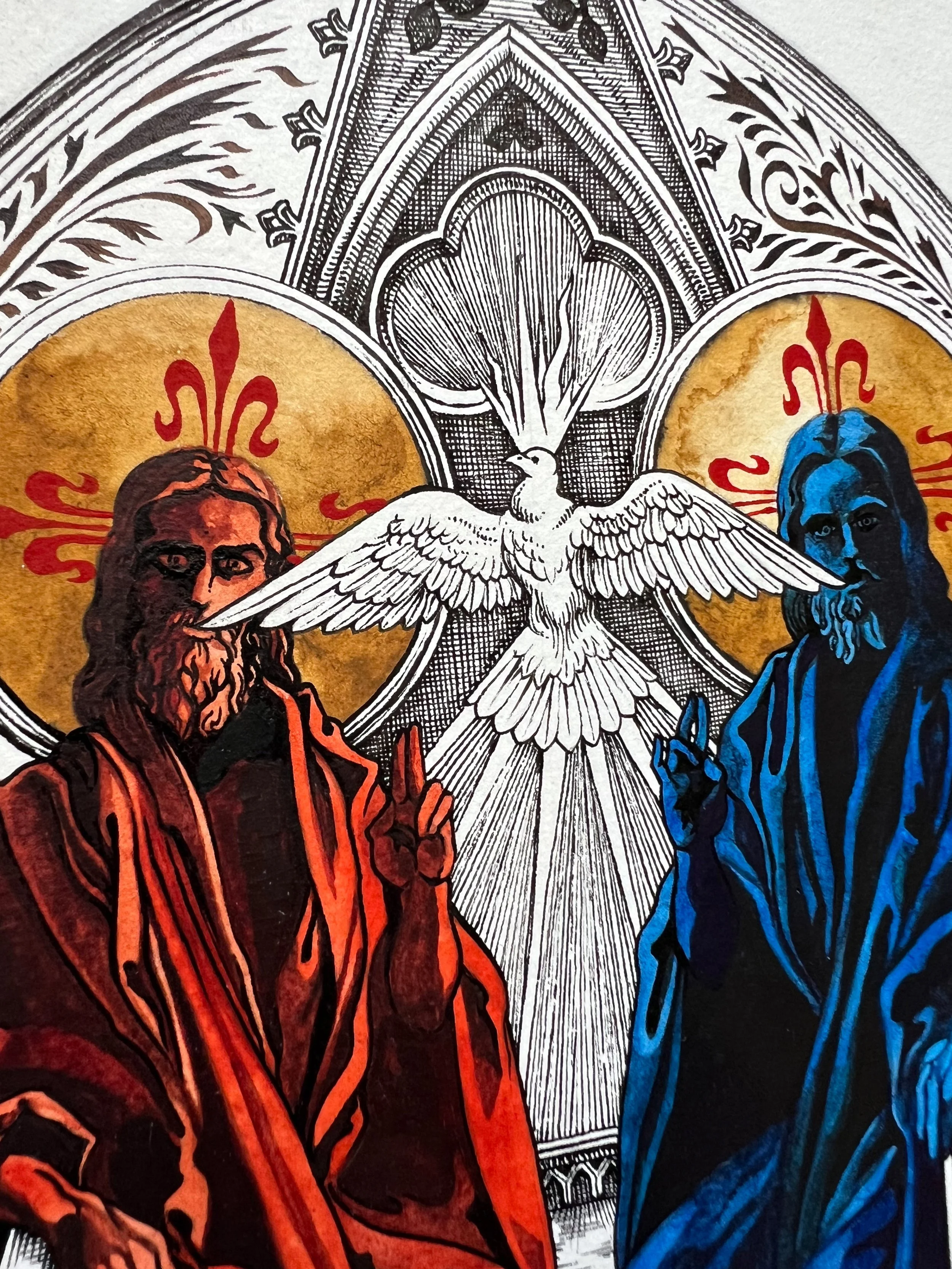
Hermes’ portrait on follows the pavement of Siena cathedral and early printed editions of Sacrobosco’s De Sphaera. 

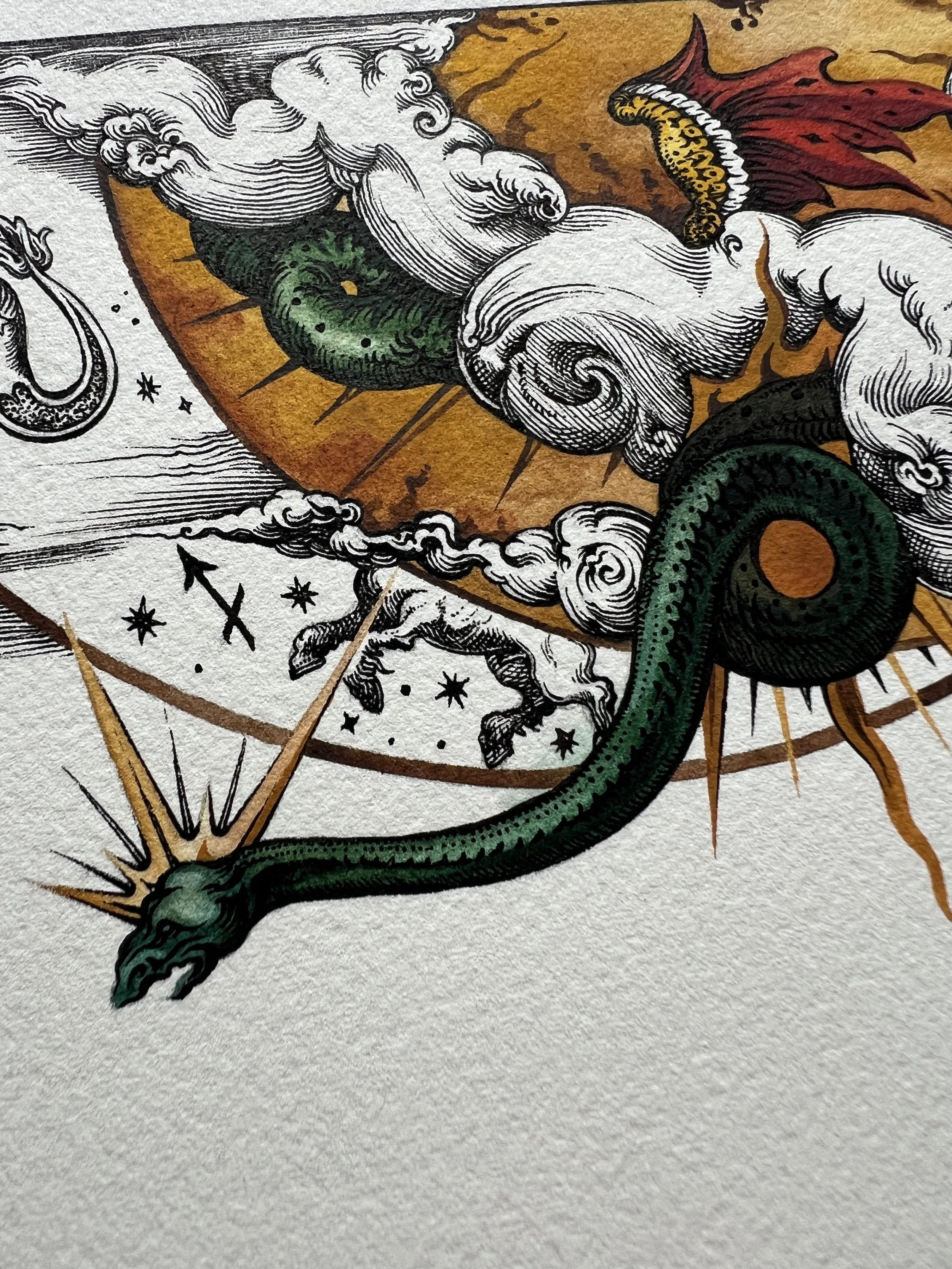
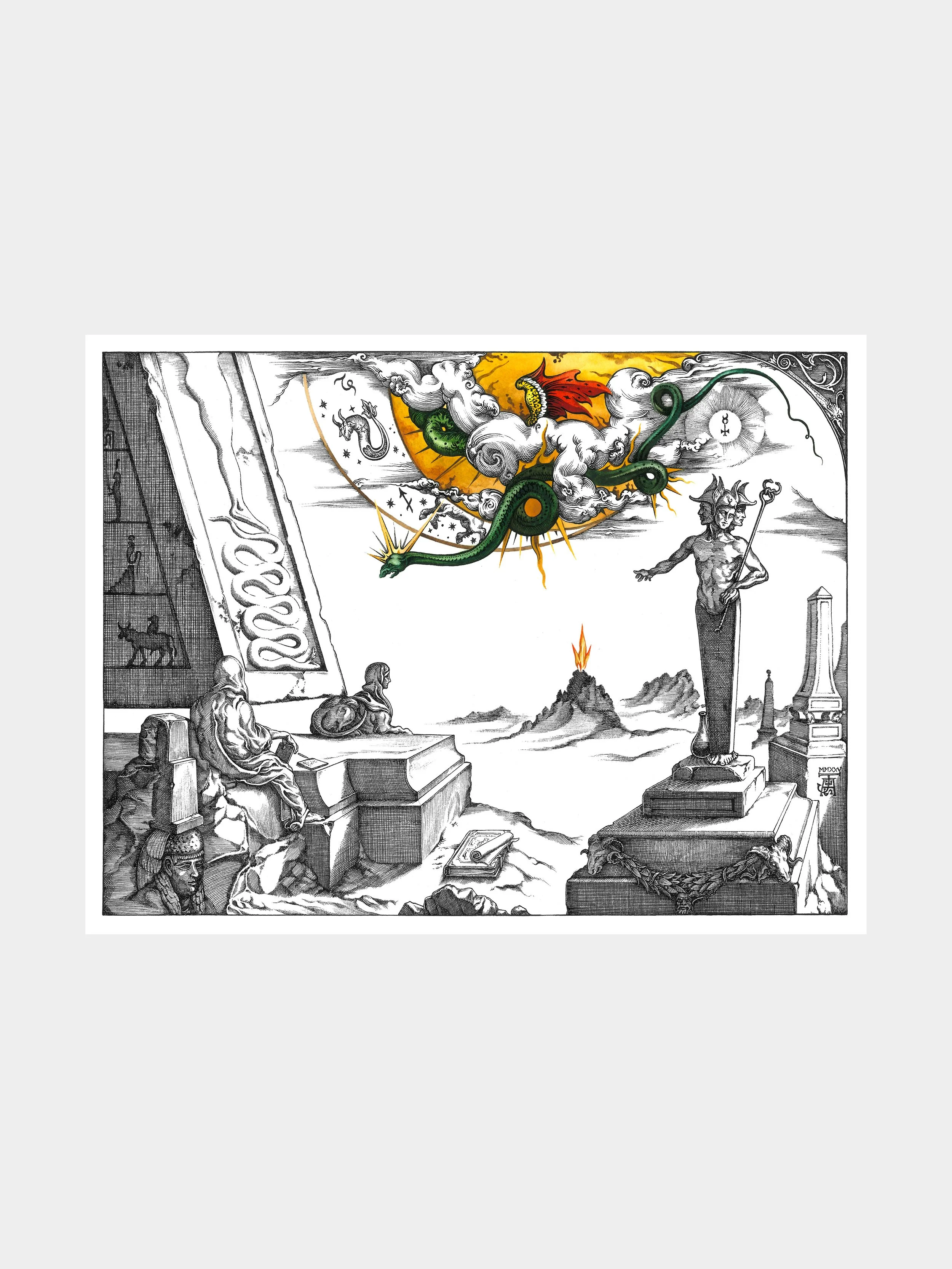
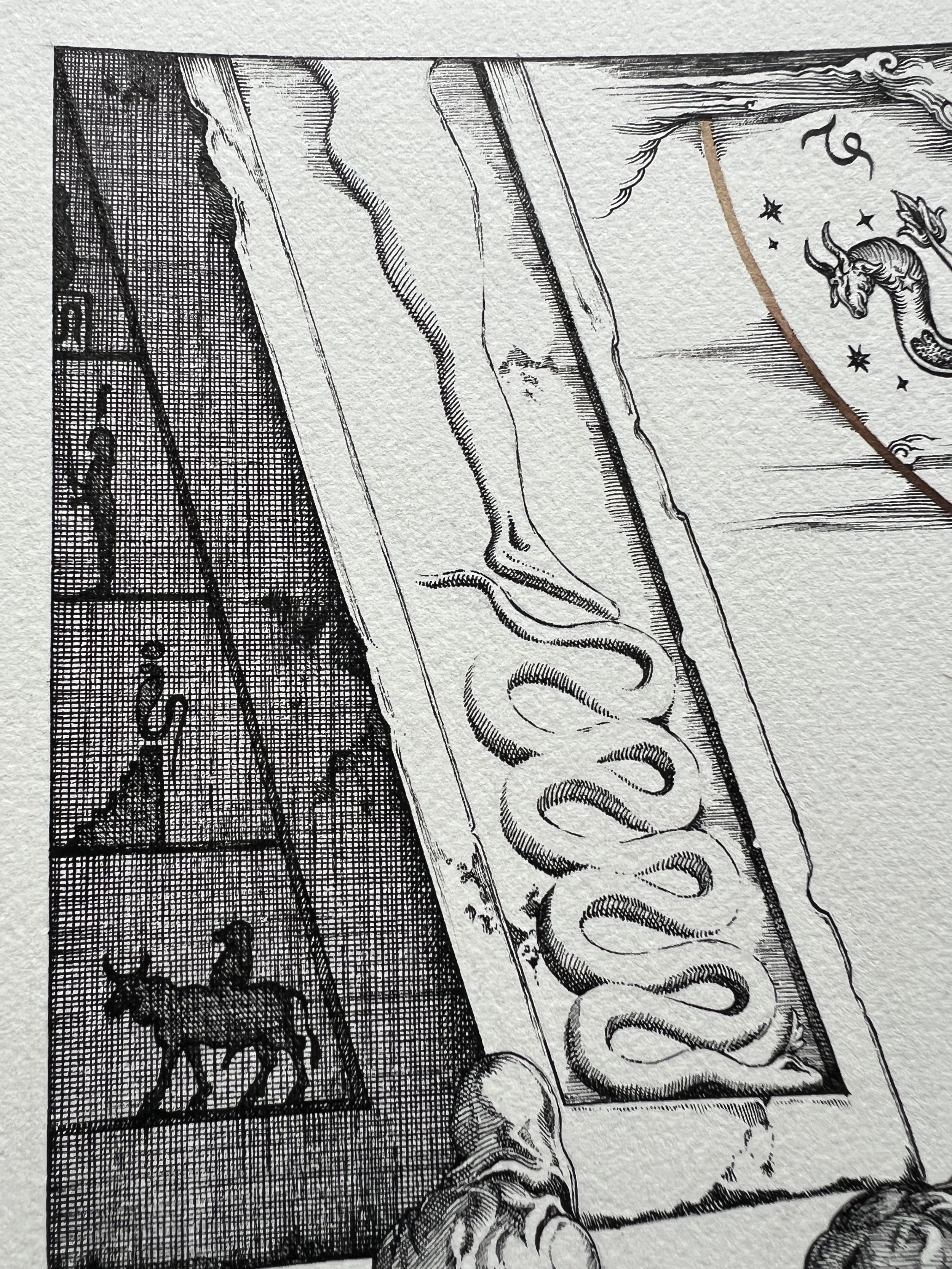
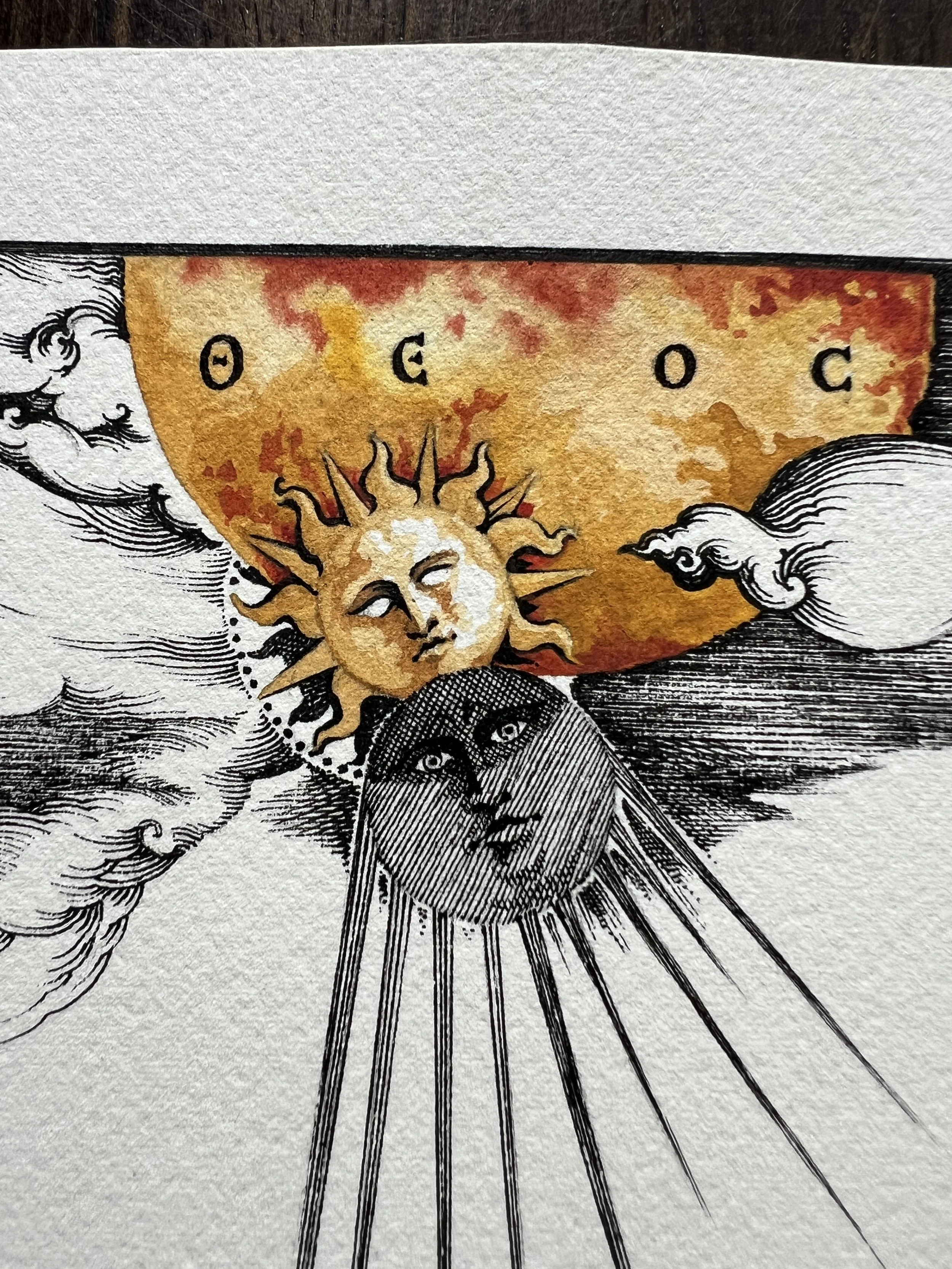
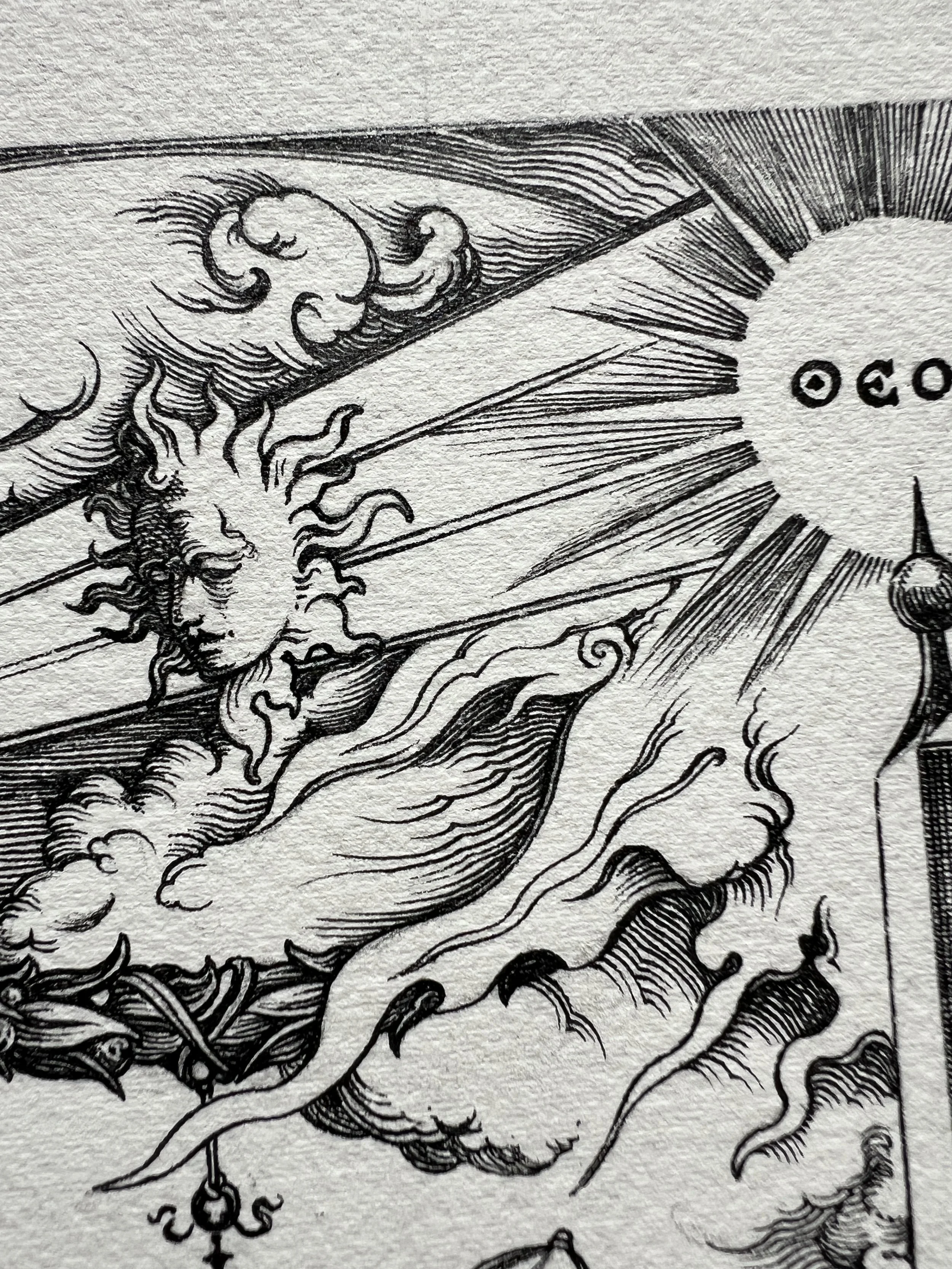
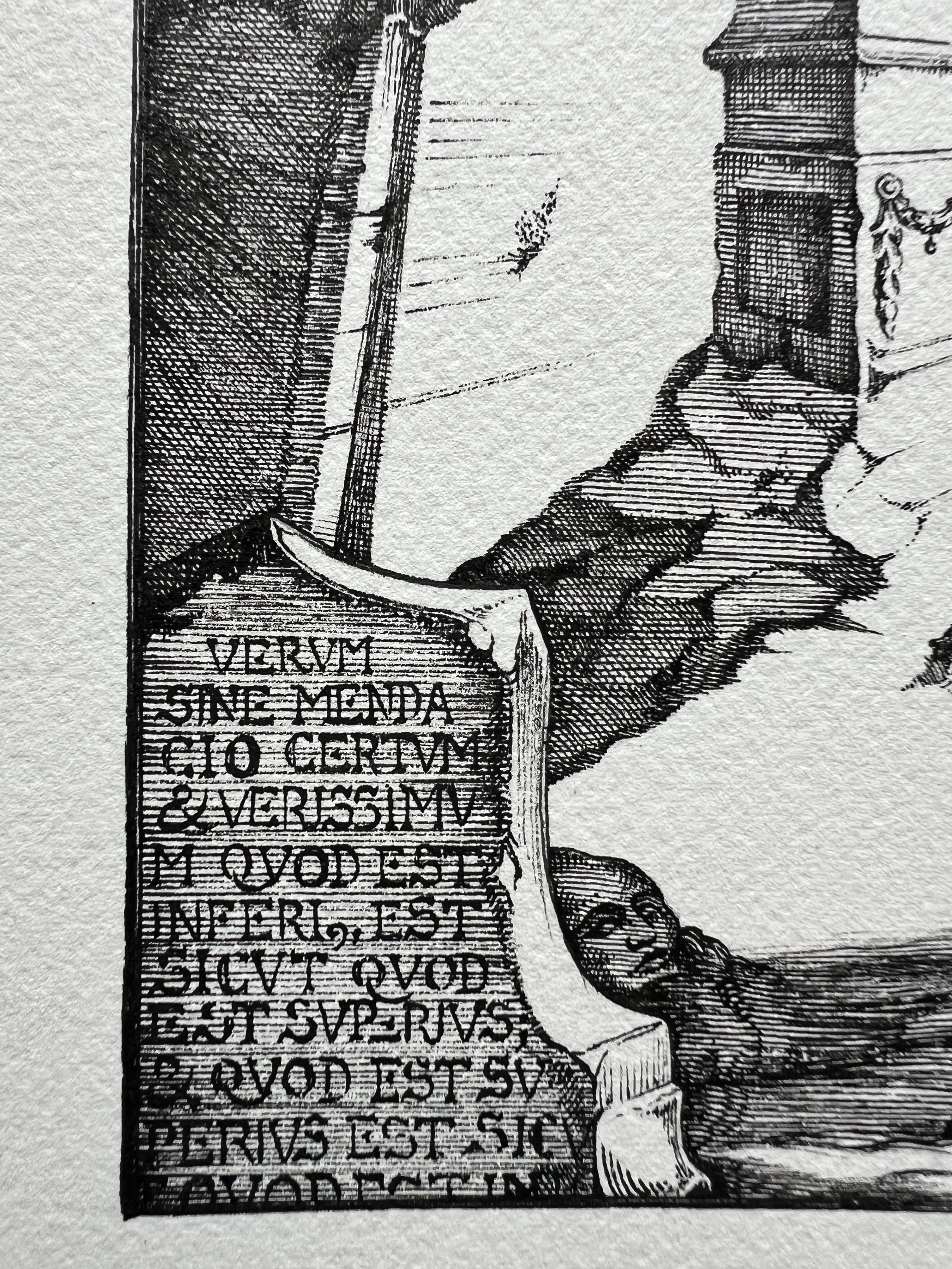
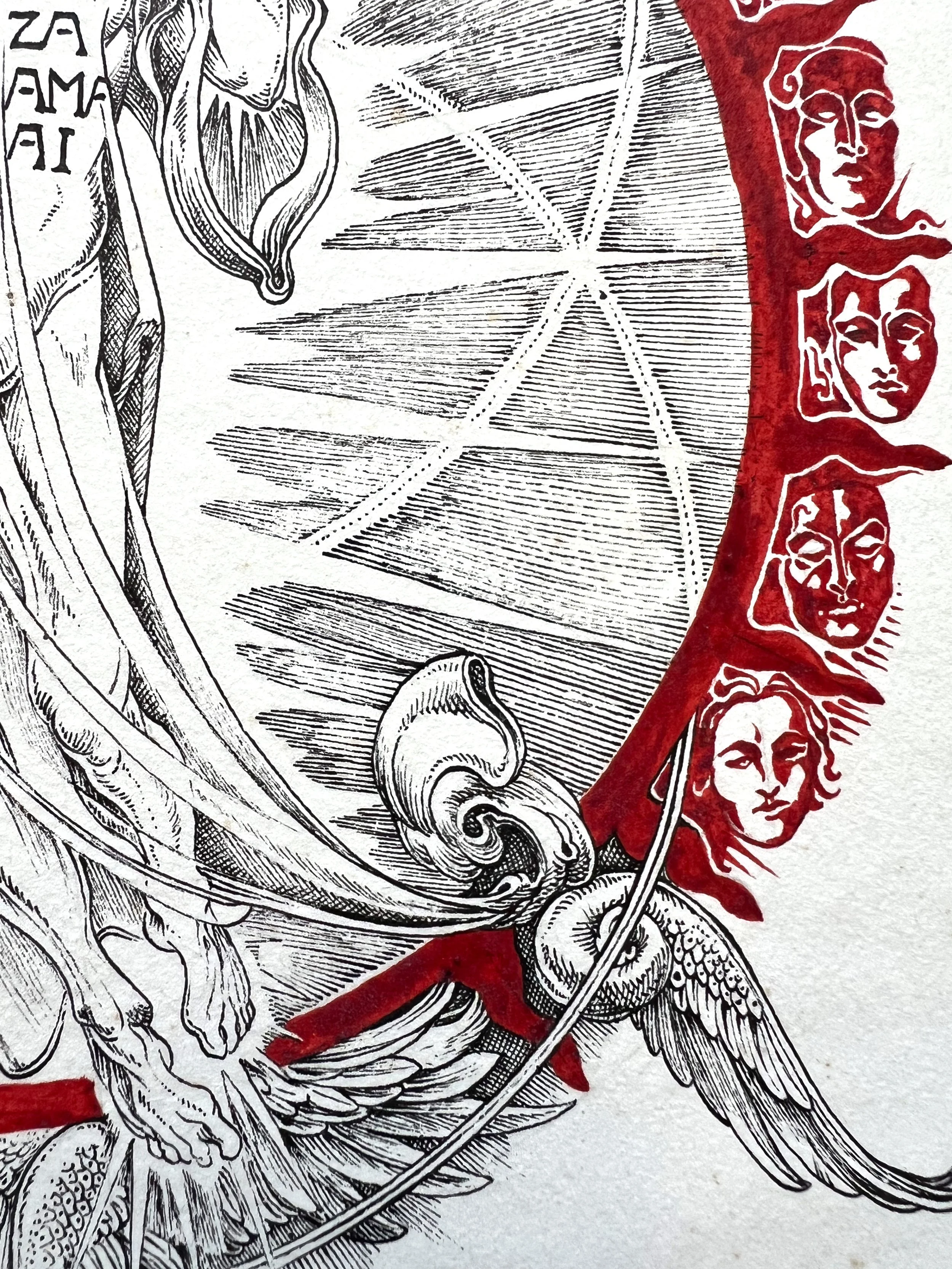
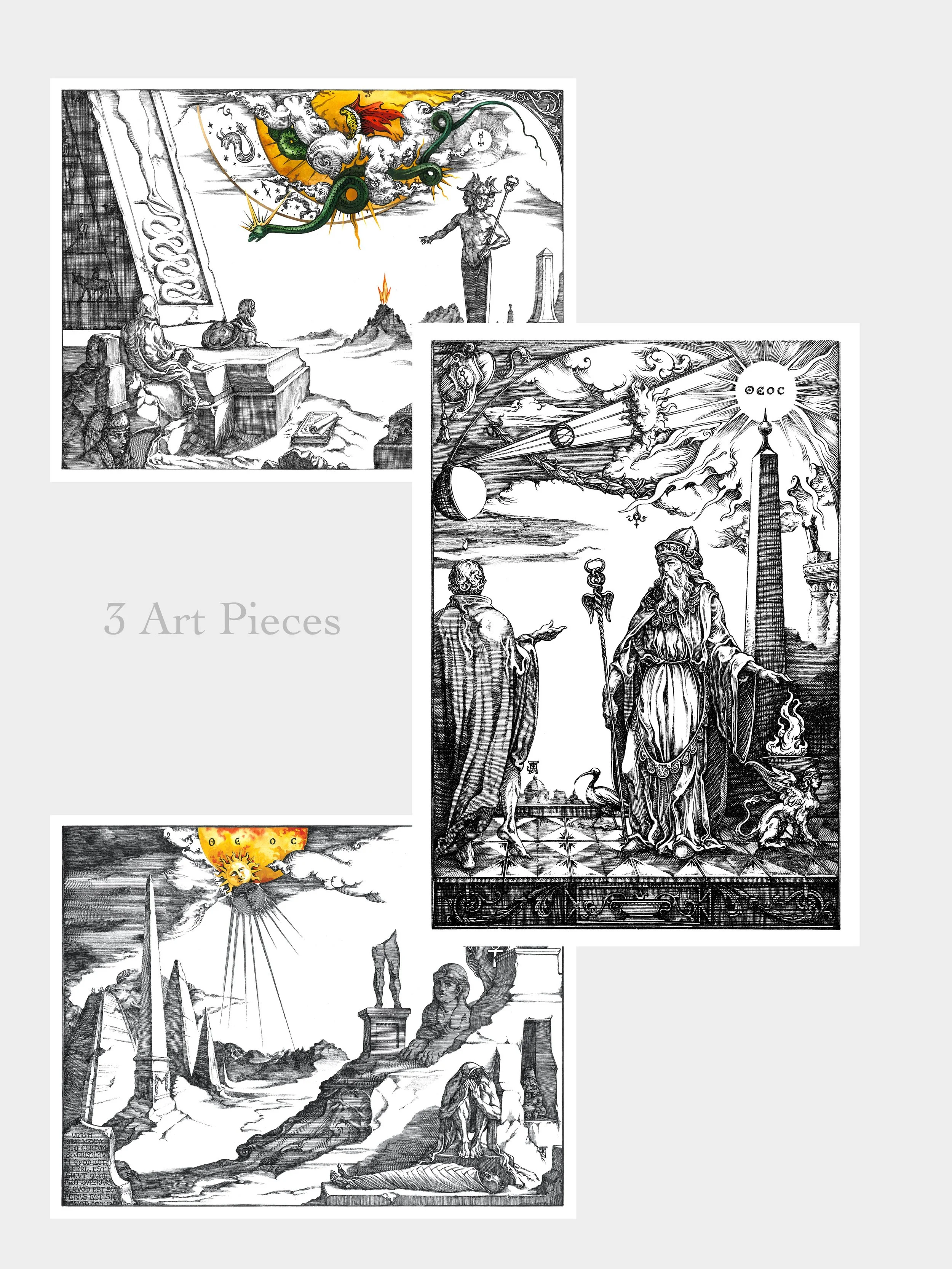
The two horizontal pieces stand for the two major beginning and ending treatises of the Corpus. Namely the Pimander, which opens with Hermes’ great vision of the cosmic serpent and the planetary spheres. Visually, it is largely based on the frontispieces of Pignoria’s exposition on the Mensa Isiaca, and the Hieroglyphs are from the Metternich Stele, often called the magical stele, which I could draw at the MET, New York. The volcano in the background is a reference to Khunrath’s depiction of the emerald tablet in his Amphitheatrum of 1595. The Latin text of the tablet is also inscribed on the following drawing’s corner. The triple herma pillar of Hermes is based on Johannes Hergavius’ (1557–1558) printer’s mark. 

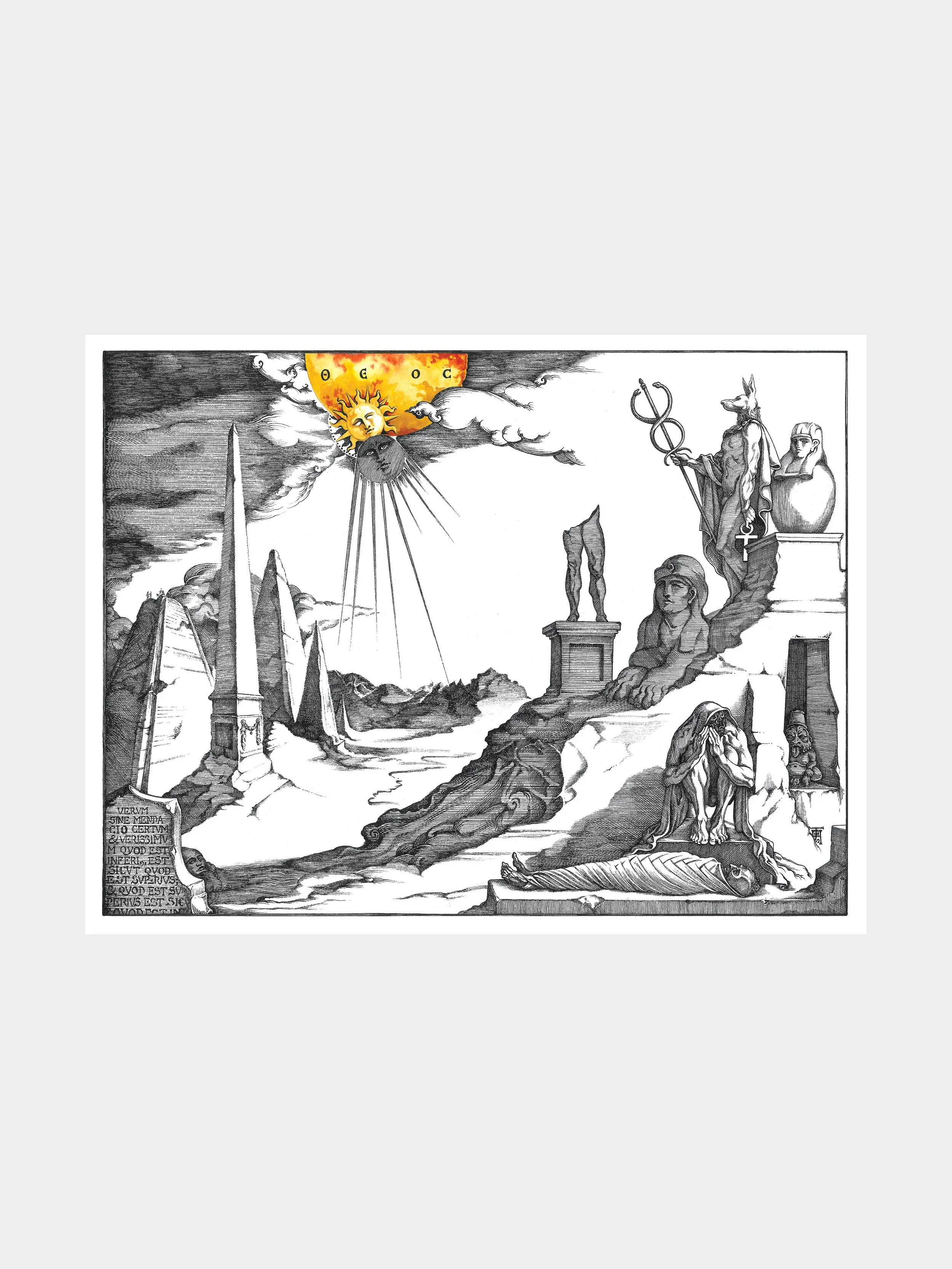
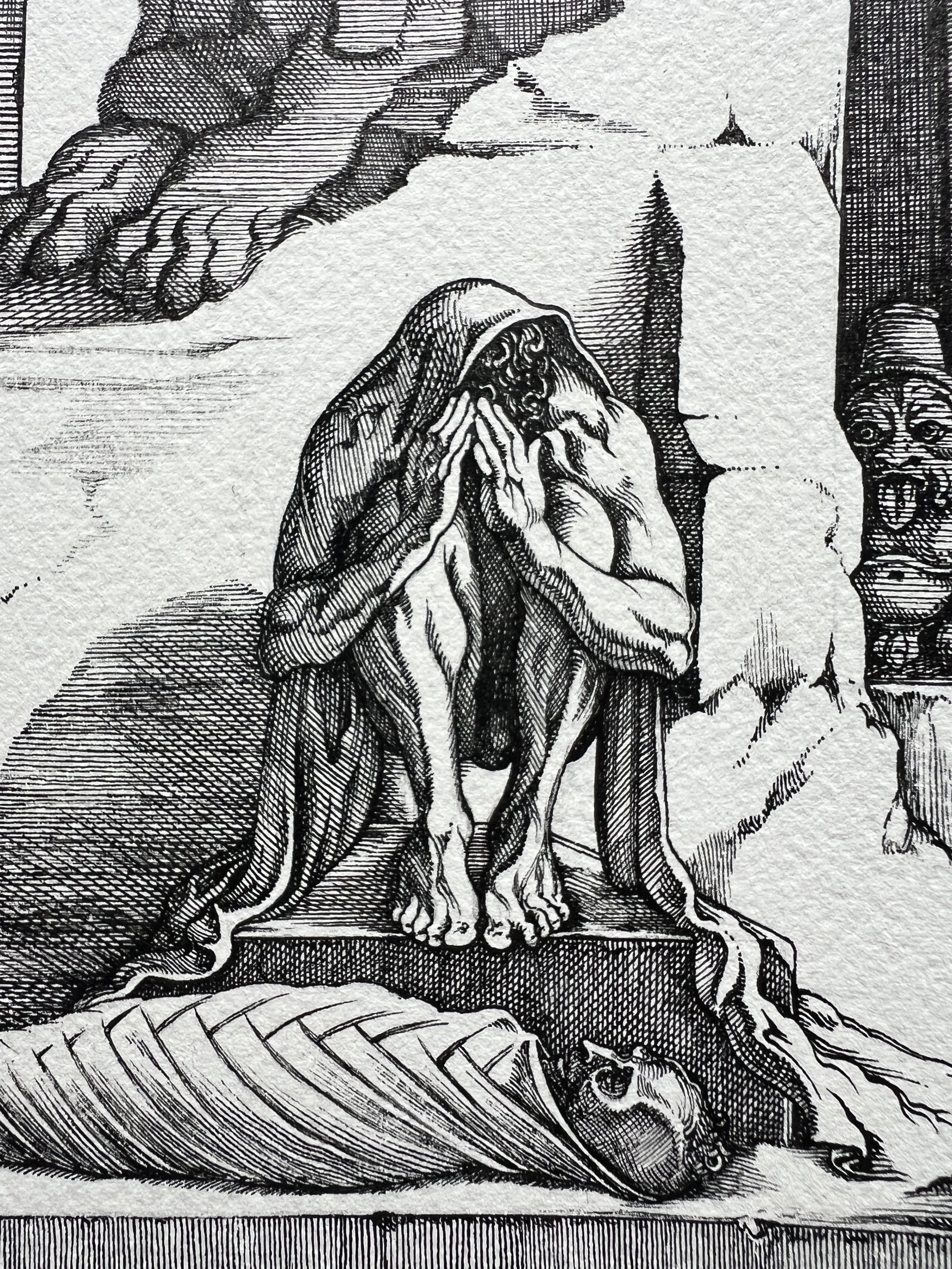
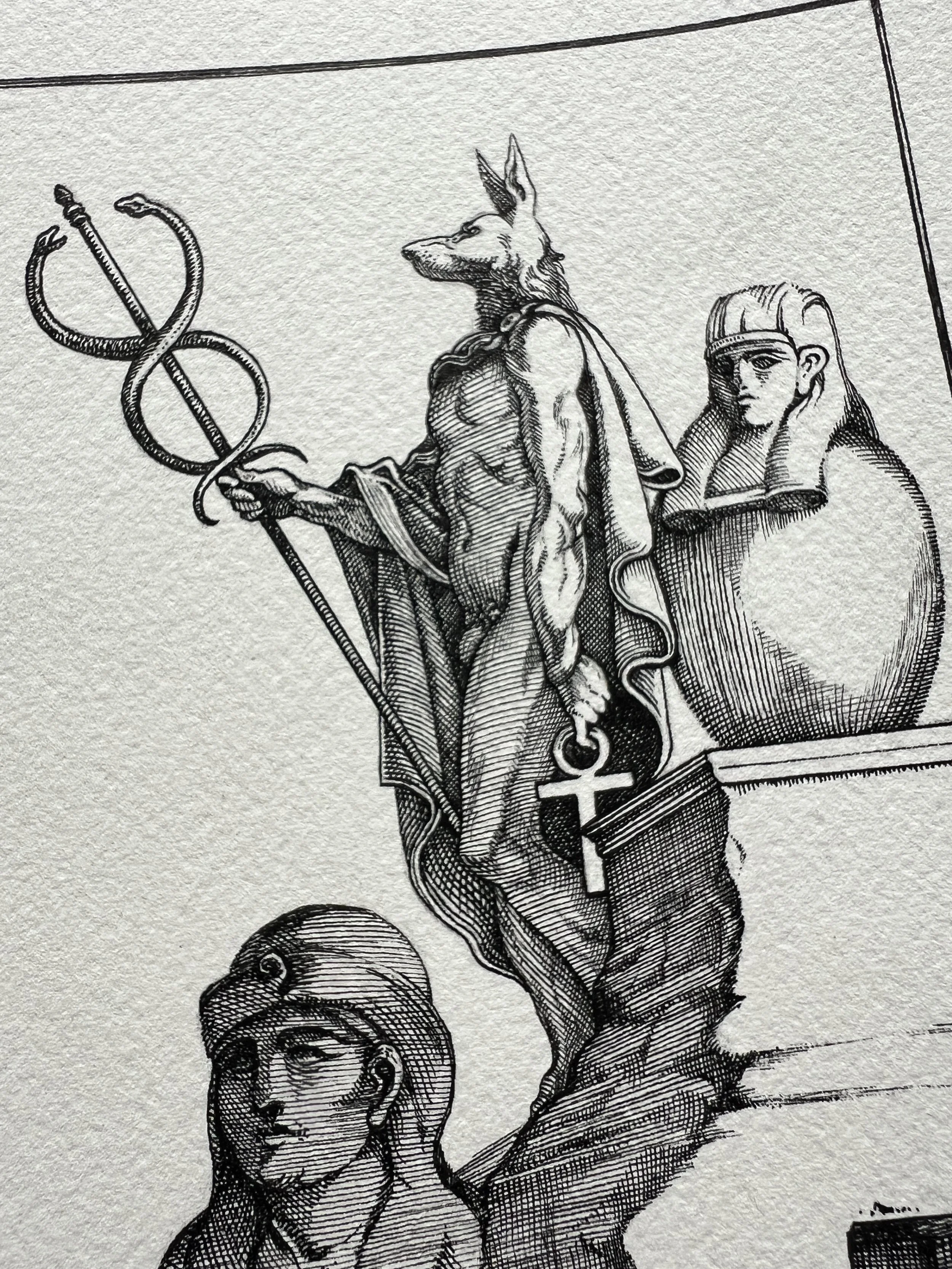
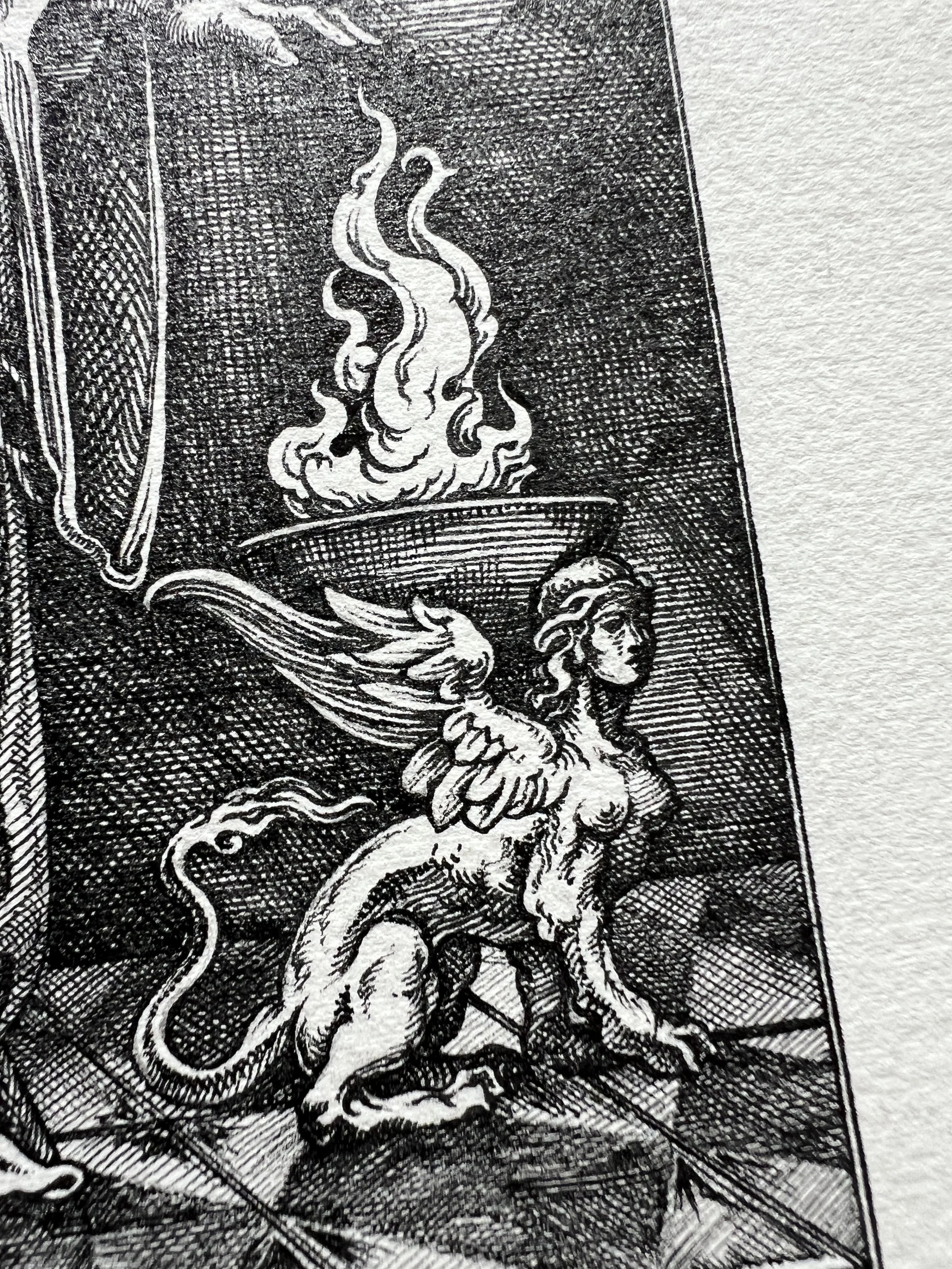
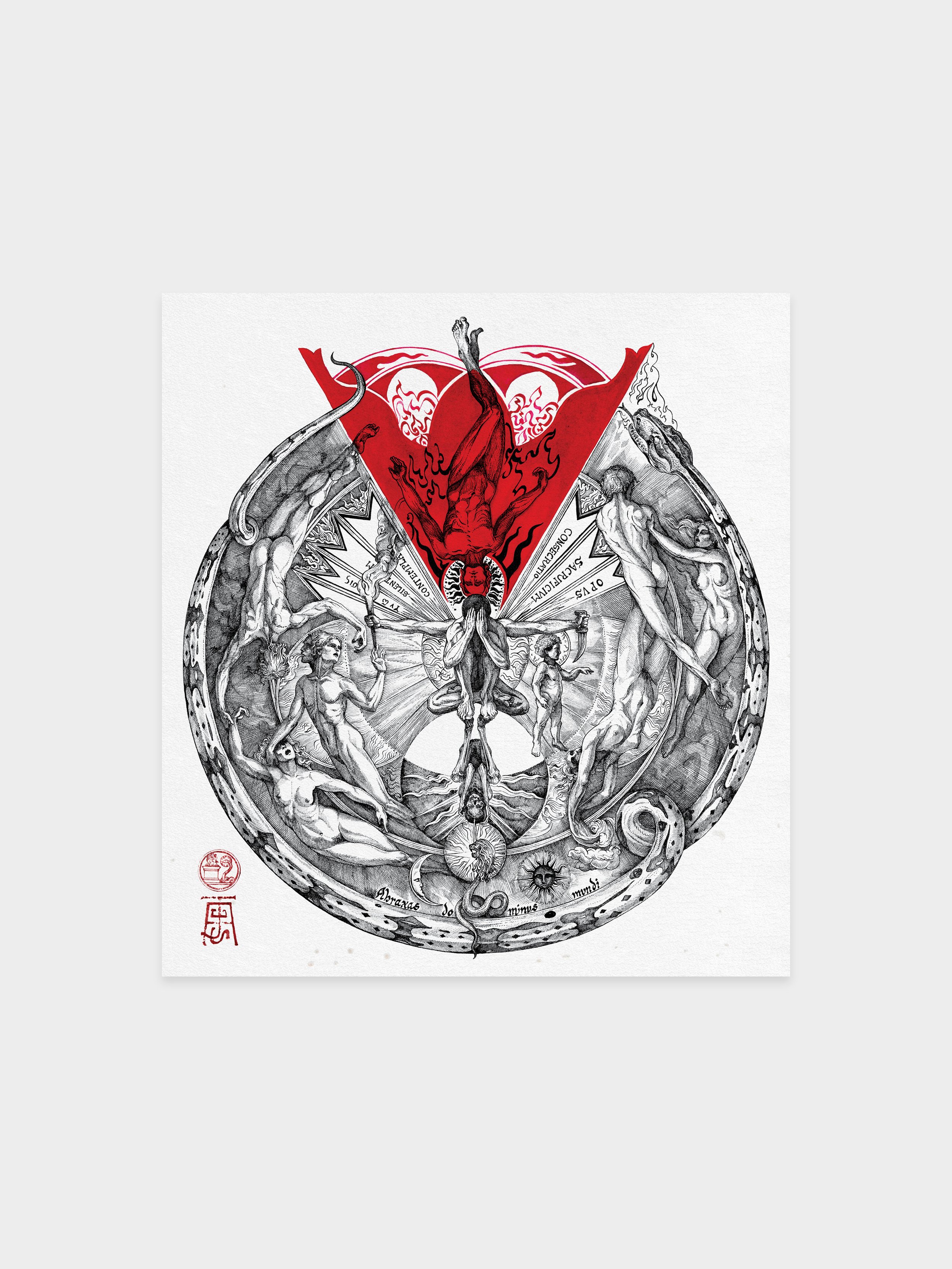
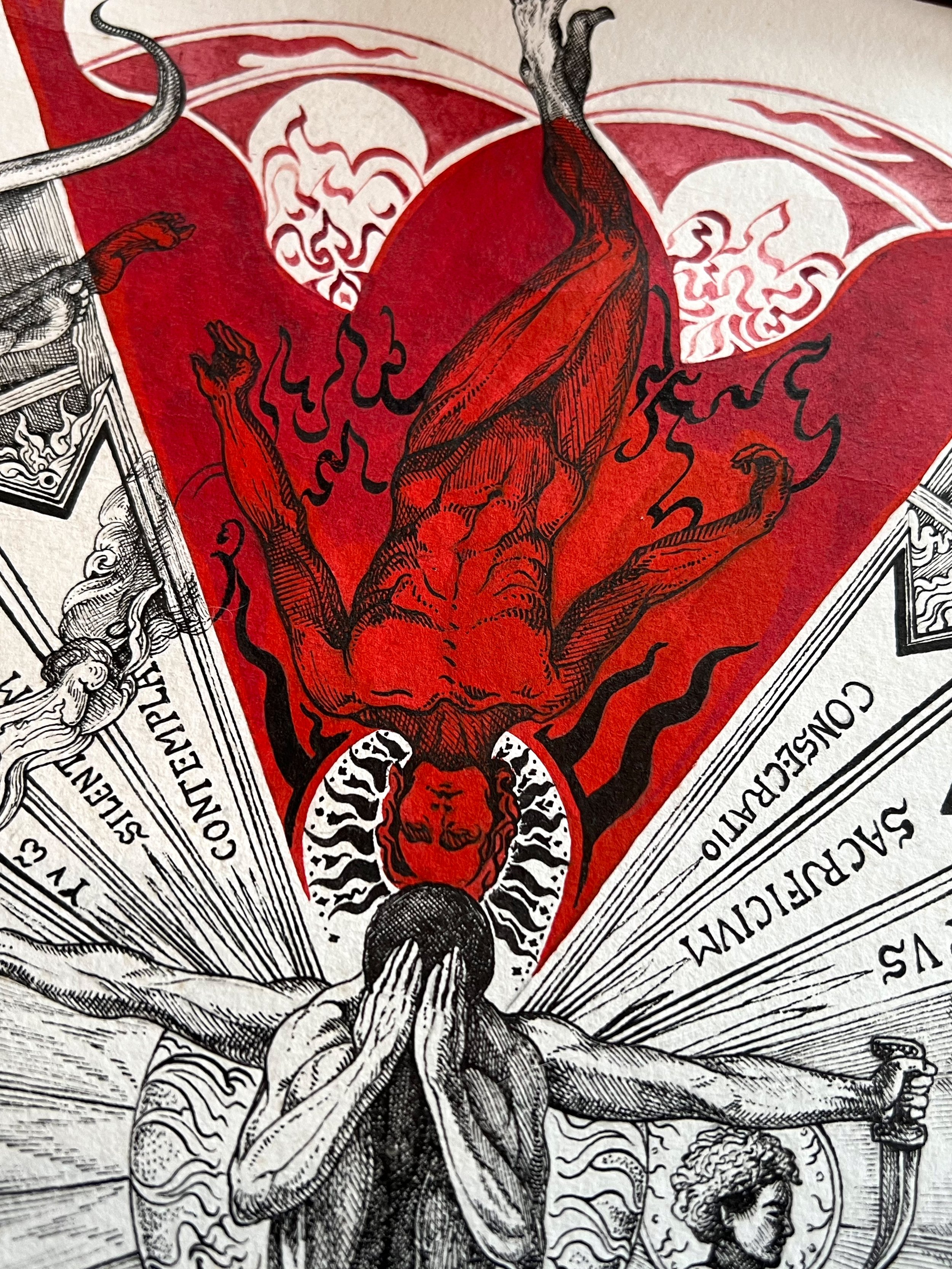
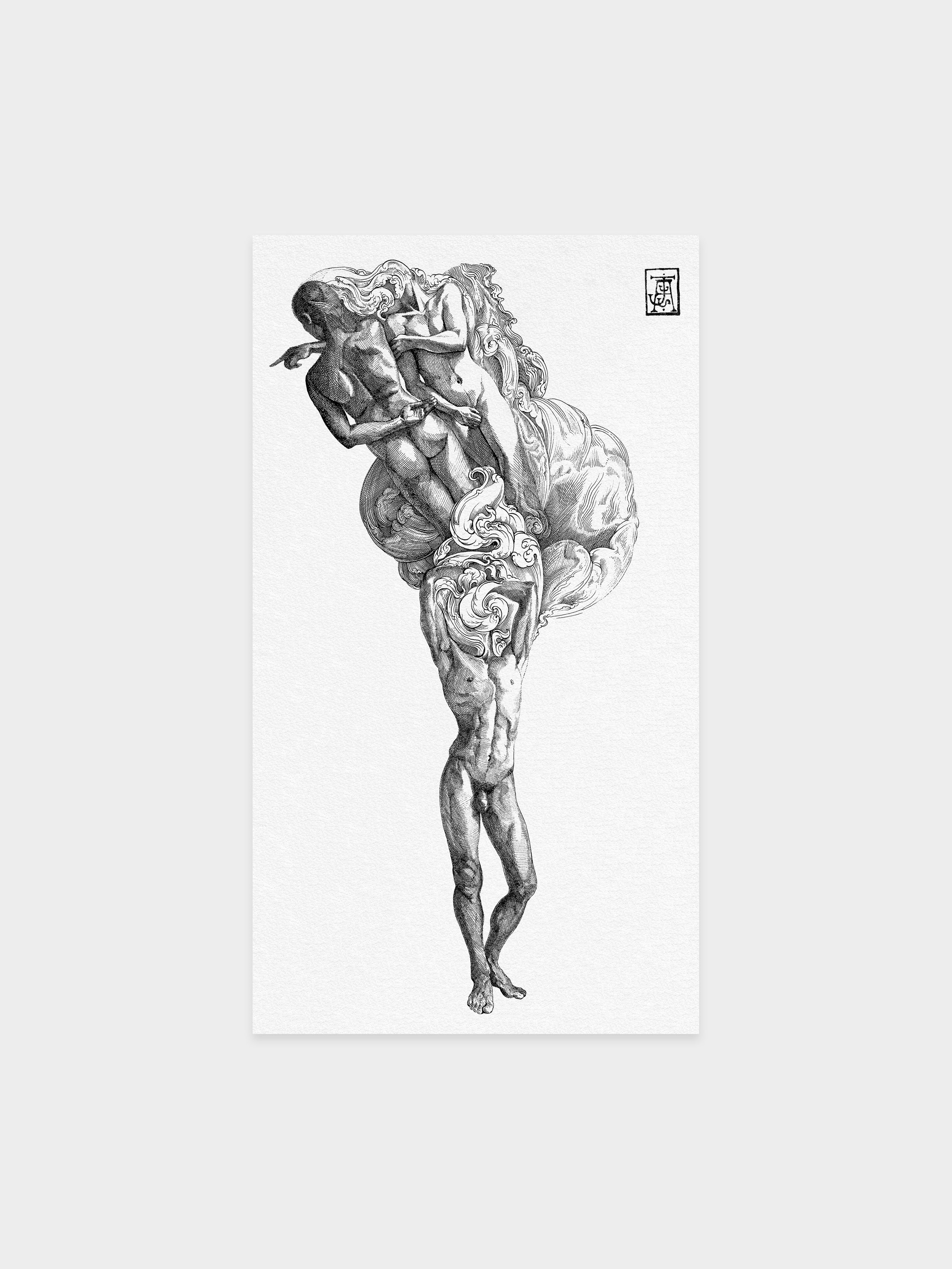
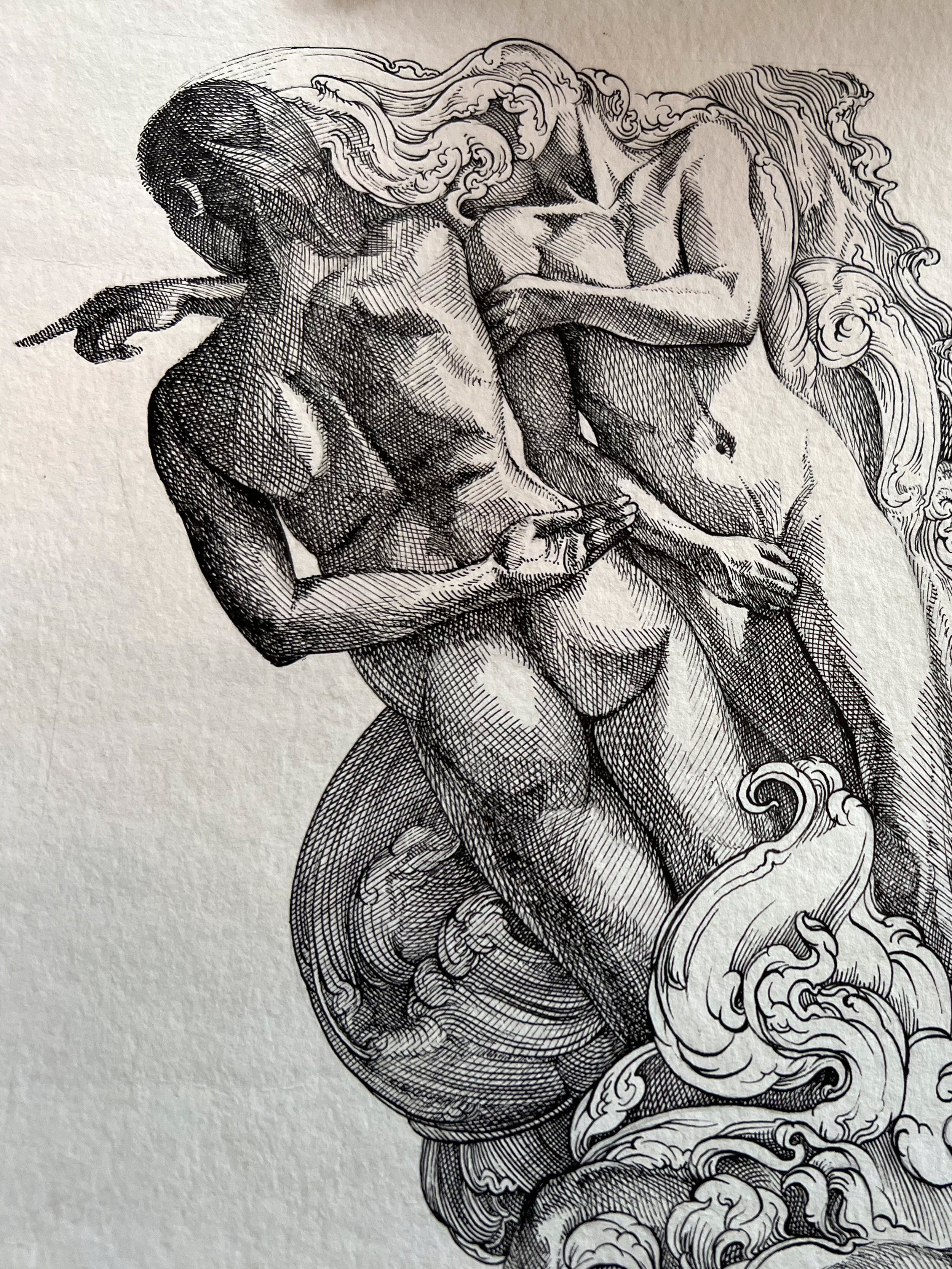
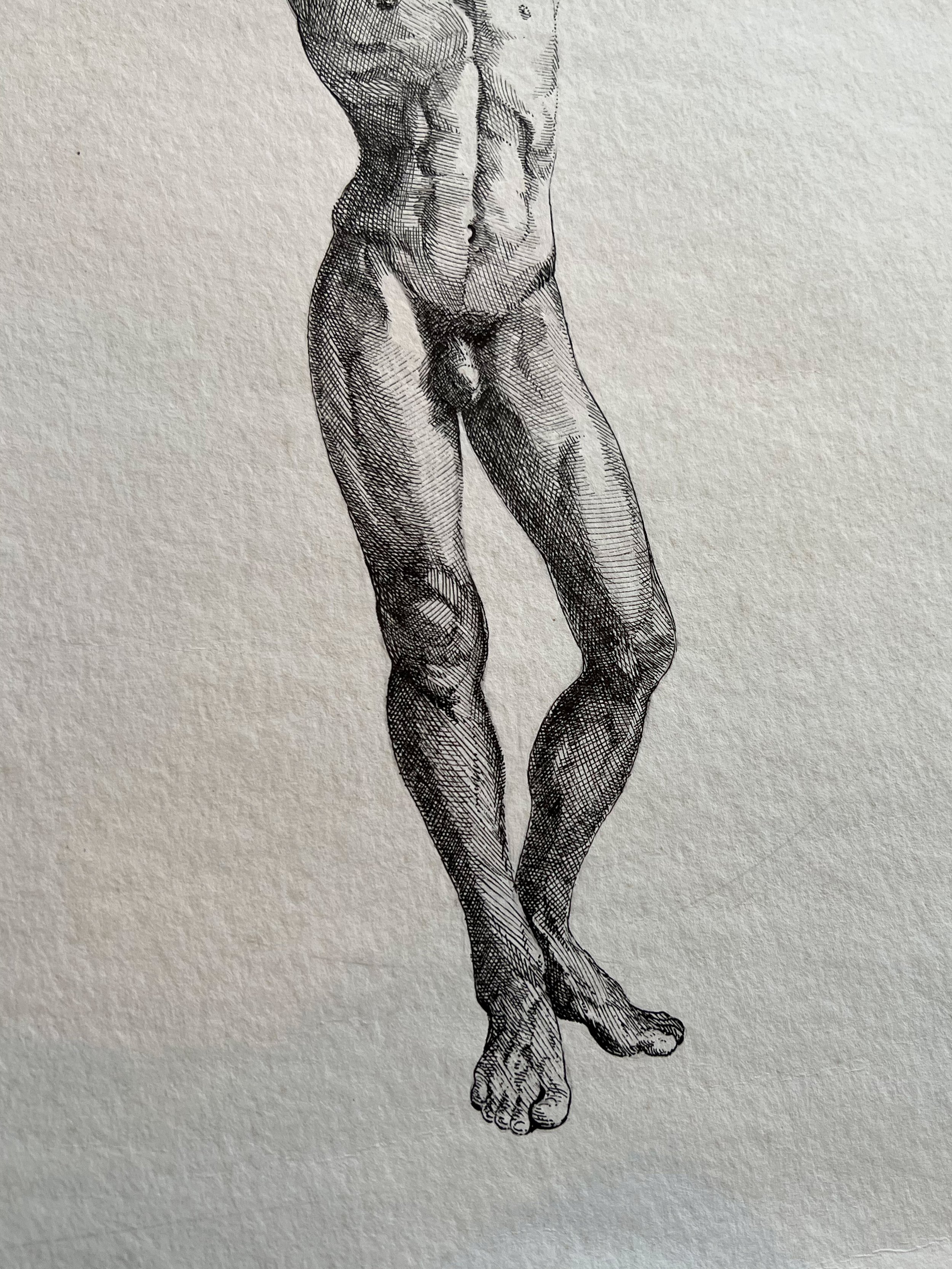
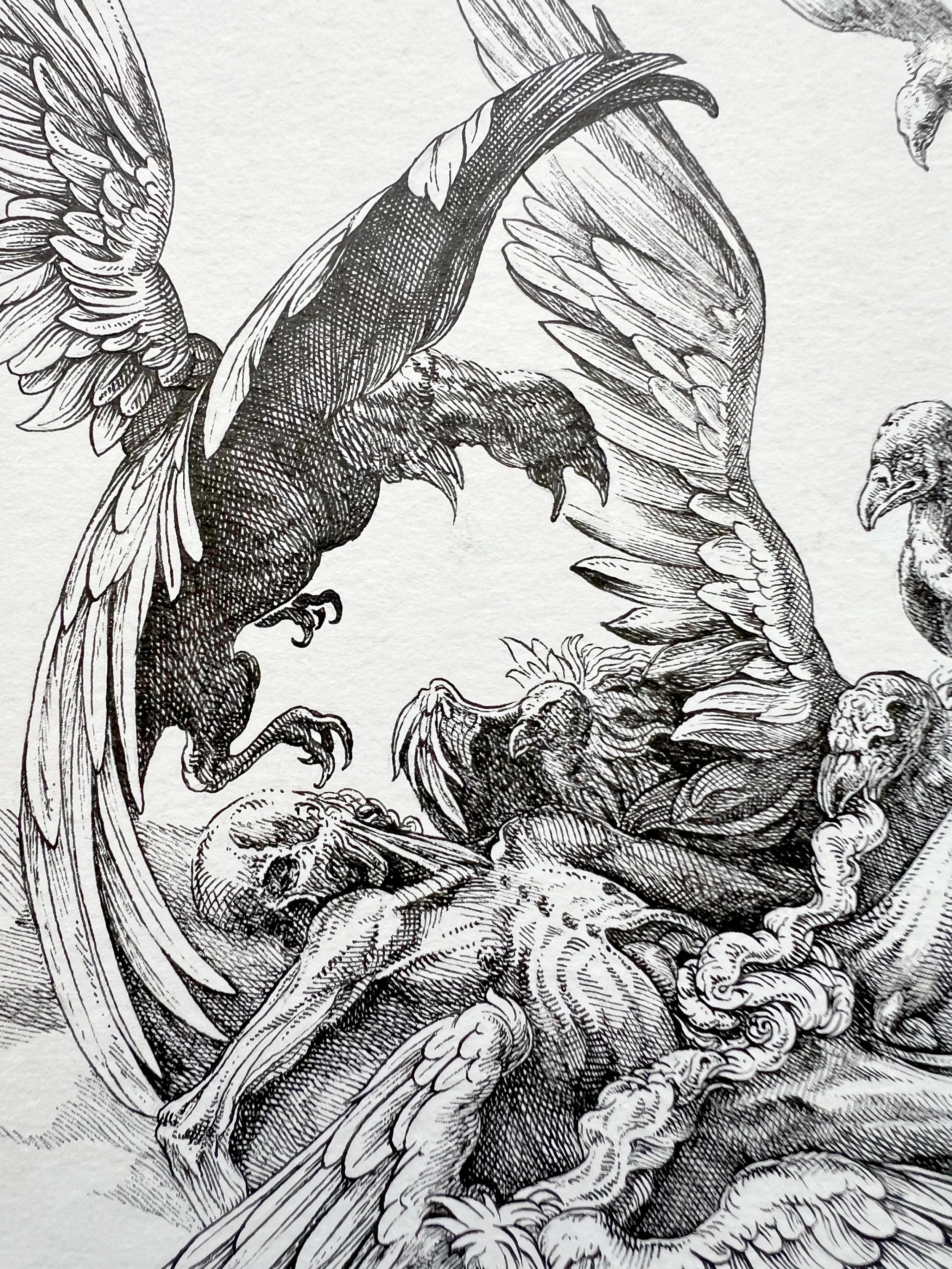
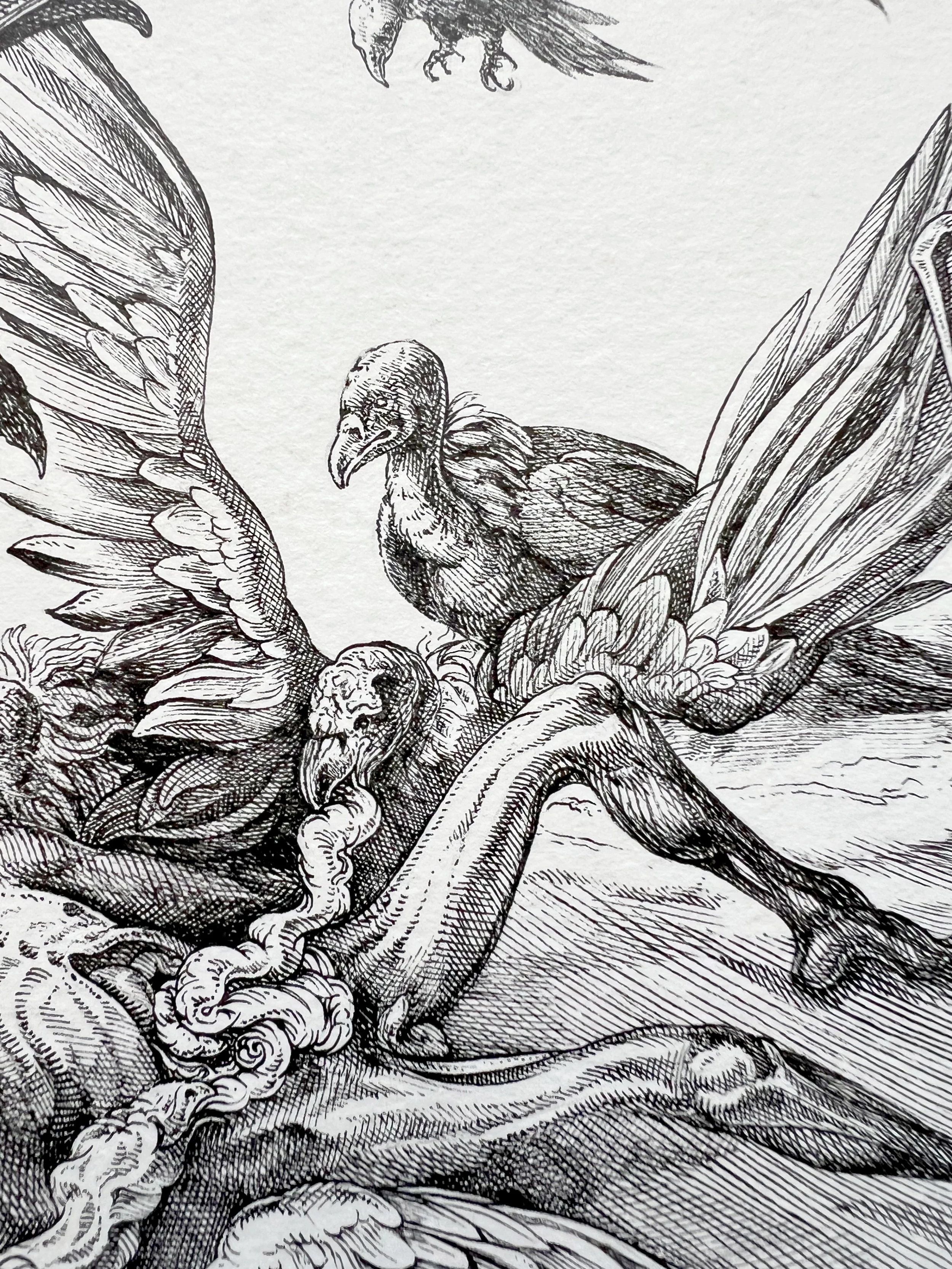
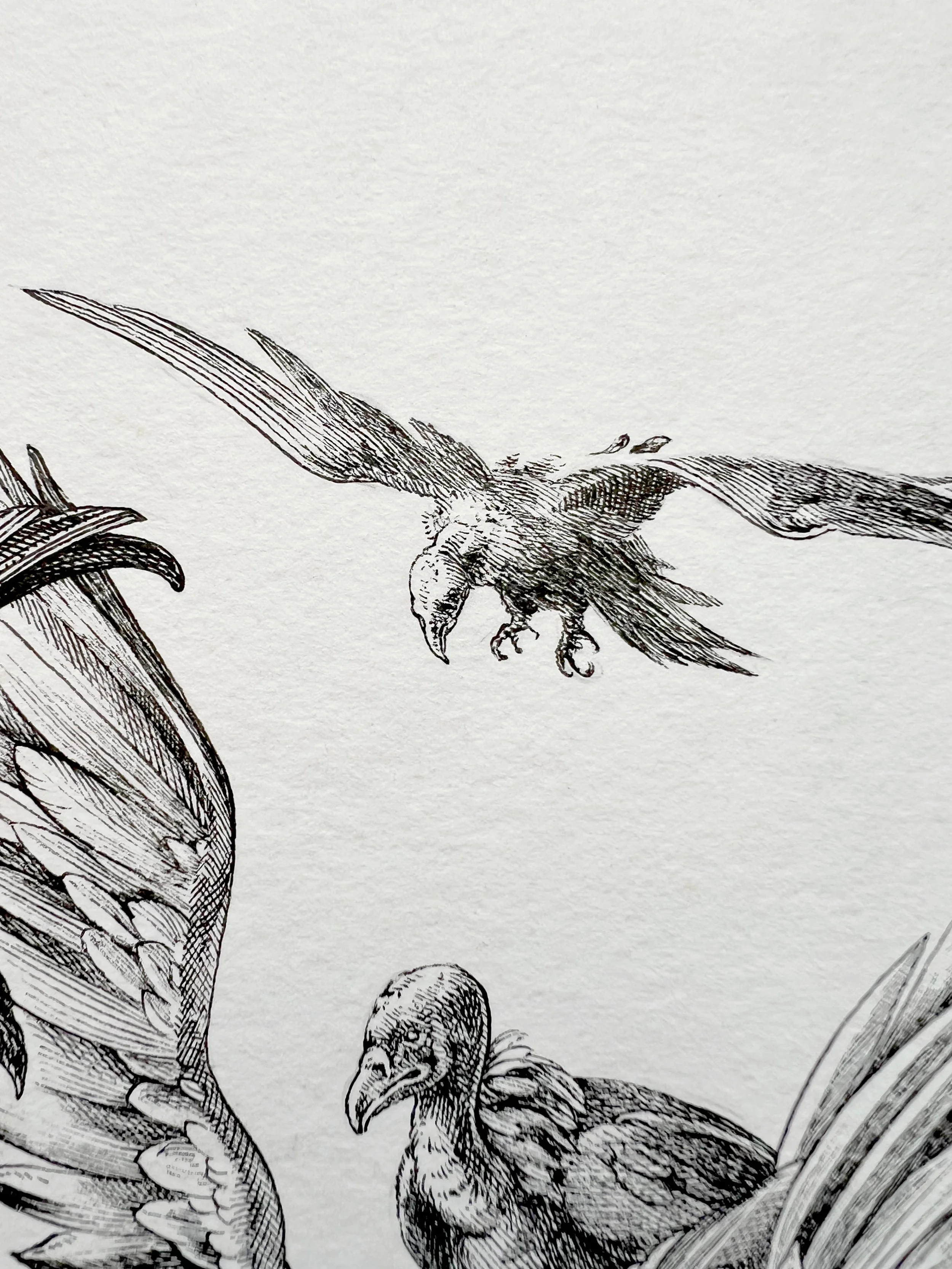
The opposite piece, the Asclepius, illustrates the prophecy therein on Egypt’s spiritual decline, that has been called “the Lament” by Frances Yates (Giordano Bruno and the Hermetic Tradition, 1964), when Egypt will no longer be full of temples, but it will be full of tombs, hence the mourning figure. The late Alexandrian character of the text is stressed by composite deities, like the dog-headed Hermanubis or the so-called Canopus Deus of the Nile. 

*Sales protocol for these original pieces will be unique in that, after a purchase is made on our website, we will personally reach out to each customer to arrange a customized shipping plan, ensuring both parties are aligned on what can and cannot be done to guarantee safe and smooth delivery of the items.

Pieces drawn for David Litwa’s edition of the Hermetica I: The Corpus Hermeticum, Asclepius, and Nag Hammadi Hermetica Ordered as a Path of Initiation, published by Fount Ultd., in 2026.

Hermes’ portrait on follows the pavement of Siena cathedral and early printed editions of Sacrobosco’s De Sphaera. 

The two horizontal pieces stand for the two major beginning and ending treatises of the Corpus. Namely the Pimander, which opens with Hermes’ great vision of the cosmic serpent and the planetary spheres. Visually, it is largely based on the frontispieces of Pignoria’s exposition on the Mensa Isiaca, and the Hieroglyphs are from the Metternich Stele, often called the magical stele, which I could draw at the MET, New York. The volcano in the background is a reference to Khunrath’s depiction of the emerald tablet in his Amphitheatrum of 1595. The Latin text of the tablet is also inscribed on the following drawing’s corner. The triple herma pillar of Hermes is based on Johannes Hergavius’ (1557–1558) printer’s mark. 

The opposite piece, the Asclepius, illustrates the prophecy therein on Egypt’s spiritual decline, that has been called “the Lament” by Frances Yates (Giordano Bruno and the Hermetic Tradition, 1964), when Egypt will no longer be full of temples, but it will be full of tombs, hence the mourning figure. The late Alexandrian character of the text is stressed by composite deities, like the dog-headed Hermanubis or the so-called Canopus Deus of the Nile. 

*Sales protocol for these original pieces will be unique in that, after a purchase is made on our website, we will personally reach out to each customer to arrange a customized shipping plan, ensuring both parties are aligned on what can and cannot be done to guarantee safe and smooth delivery of the items.


Original: 2025

Dimensions: Hermes Trimegistus: 26.5 cm x 36 cm (10.4” x 14.2”) + Pimander (Front Endpaper Art): 36 cm x 27 cm (14.2” x 10.6”) + Asclepius (Front Endpaper Art): 36 cm x 27 cm (14.2” x 10.6”)

Materials: All pieces are ink and watercolor on Hanhemühle bamboo paper 250mm and Arches Cold Pressed Cotton paper 300mm. Seal ink is composed of cinnabar and castor oil.

Condition: Excellent. N.B.: We strongly encourage to keep paper out of direct sunlight and humidity. 

Shipping: These artworks must be shipped rolled in sturdy boxes or tubes and will need to be unrolled and flattened before framing.

US Tariffs: Due to recent U.S. tariff changes, Original Artworks shipped from Canada may be subject to import duties. However, as these works were created outside Canada, primarily in Peru, Italy, or Germany, substantially lower rates may apply, if any. U.S.-based customers will be contacted individually prior to shipping to address any applicable duties.

*Each original artwork comes with Certificate of Authenticity signed by the artist and the publisher.