

IAN C. EDWARDS, PhD
Clinical Psychologist, Occult Author, and Adjunct Professor of Psychology and Philosophy
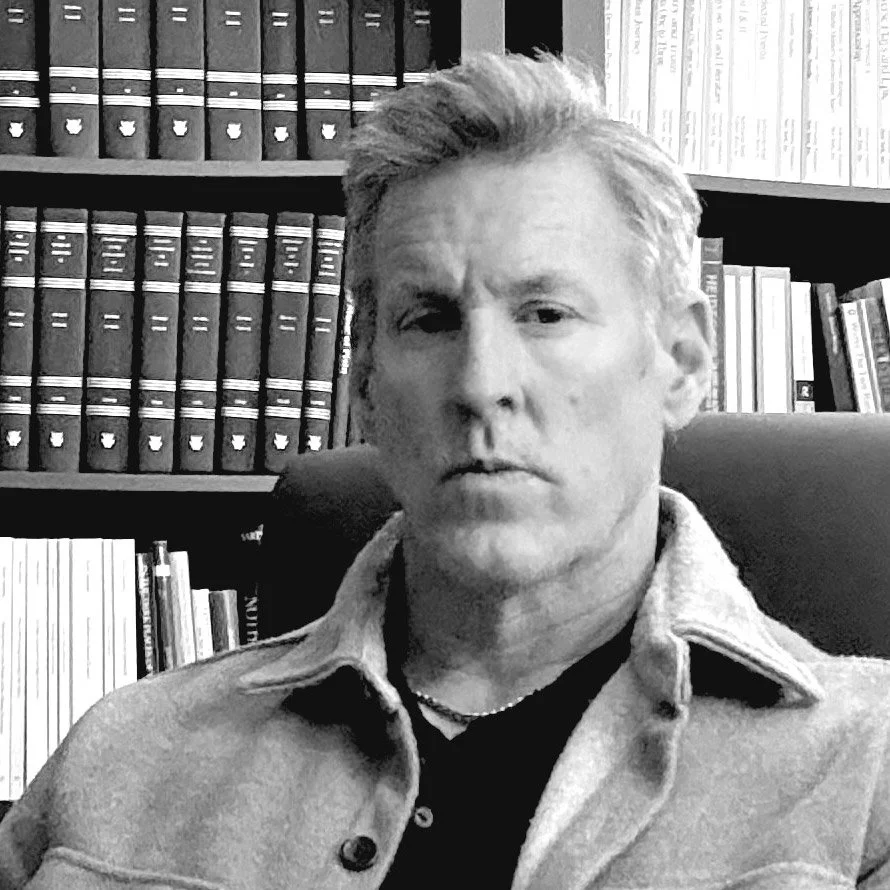
Dr. Edwards is a licensed psychologist in private practice and Assistant Vice President for Student Wellbeing at Duquesne University, and the author of Being and Non-Being in Occult Experience (Volumes I-IV, 2022-2024), co-author (with Peter Hamilton-Giles) of Torn Letters of Otherness: Absence and Alogos (2023), and Crooked Confessions: An Ophidian Philosophy of the Sanctified Devil – Blades of Grass After the Scythe, all published by Atramentous Press. He is also the author of “The Divine Hearth and Radical Hospitality” which appeared in PILLARS: A Wayfarer’s Heart (Vol. 2, Issue 3, 2022), as well as A Druid in Psychologist’s Clothing: E. Graham Howe’s Secret Druidic Doctrine (2023), both published by Anathema Publishing Ltd.
FIND Dr. EDWARDS
Imagine a man who influenced the likes of Alan Watts, was a friend of Krishnamurti, whose work was lauded by Henry Miller, and had the audacity to challenge the great psychiatrist, C.G. Jung, during one of Jung’s own seminars. Also imagine that this very same man who authored thirteen books and countless articles on the relationship between psychology, psychotherapy, philosophy, spiritual practice, and Druidry was left out of the history books, and pushed to the margins of obscurity. Who was this man? This man was the early 20th-century British psychologist and Druid, E. Graham Howe.
Howe was a master psychologist but even more so a Druid, whom he described as being, “masters of the art of living.” He was a Druid in psychologist’s clothing, a psychologist who used psychology and psychotherapy to convey his secret Druidic doctrine. Like C.G. Jung’s Gnostically influenced Liber Novus (The Red Book), which was the secret foundation for all of his psychological writings, Howe’s Druidry was the secret foundation for his own writings. Howe’s Druidry had one primary aim, which was to heal psychological suffering. Whether he was referencing psychology, philosophy, or spirituality, Howe pointed to the art of healing in them all.
E. Graham Howe was one of the first psychologists to integrate spiritual practice with psychotherapy. Because he did so during a time when psychoanalysis was being established as a dogma, Howe was marginalized and even anathematized by the various psychoanalytic schools. This book will situate Howe within the history of psychoanalysis, showing his work in relation to Sigmund Freud, C.G. Jung, and Alfred Adler just to name a few. It will also provide a summary and reading of his metaphysical psychology, illustrating his views on depression, love, time, war, self-knowledge, psychotherapy as a way of being, and more. The book will also present some Druidic foundations of Howe’ psychology, in the spirit of the 18th – 19th century Welsh poet, Iolo Morganwg, whose own Druidry, like Howe’s, was inspired, emphasizing more of the Druidic soul rather than blind allegiance to any tradition or belief system.
PUBLISHED WORK
A Druid in Psychologist’s Clothing

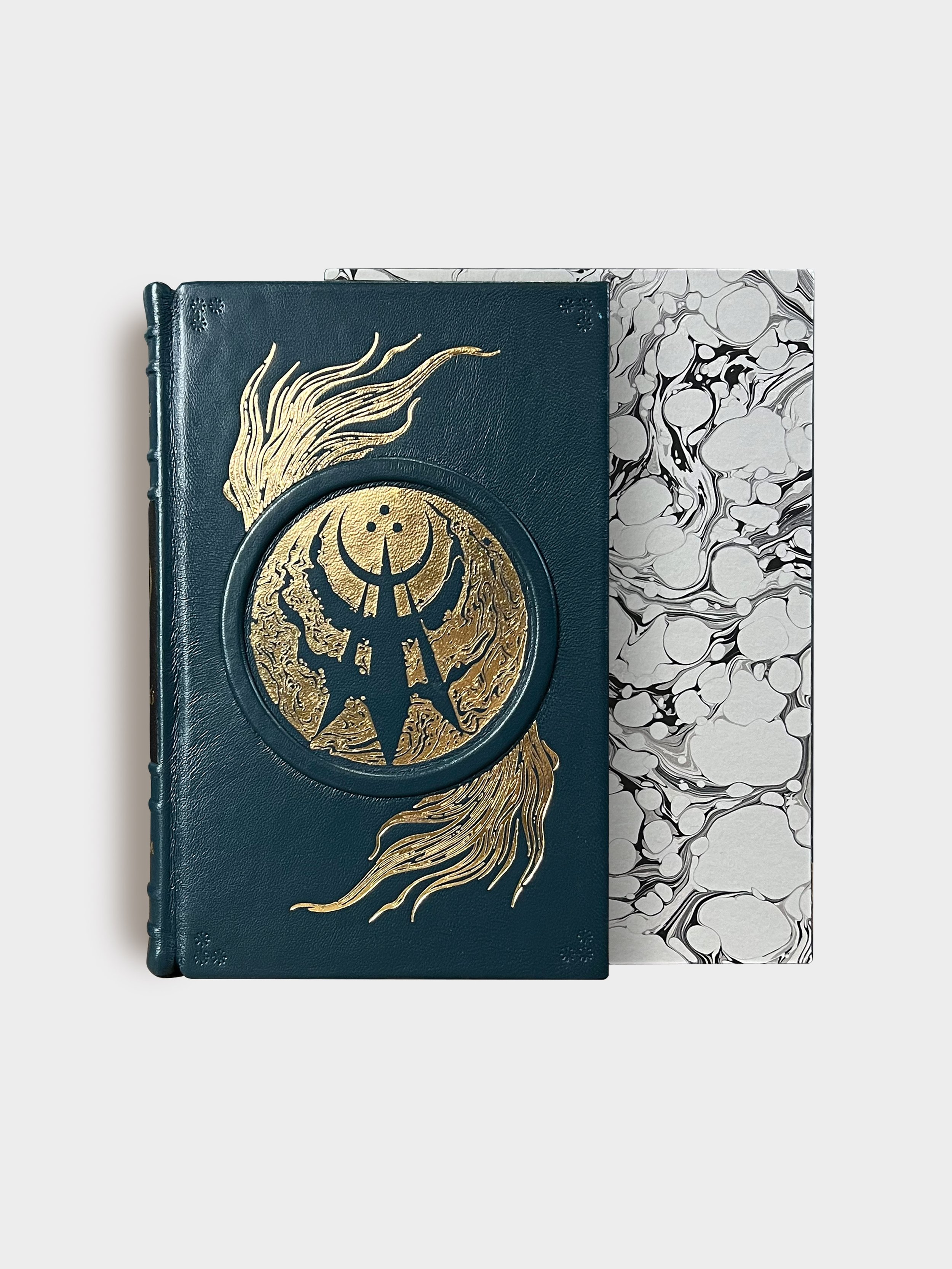
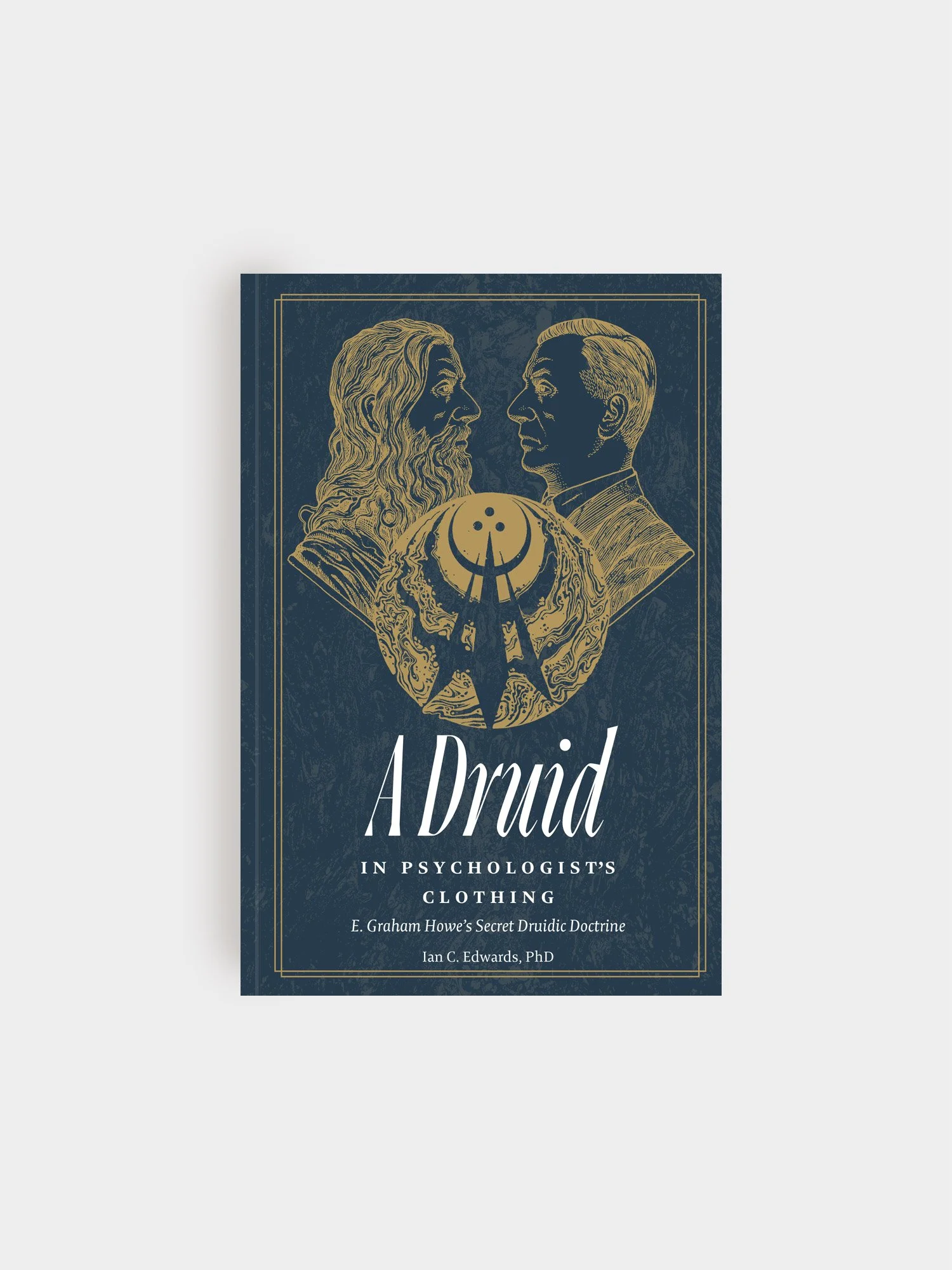
A Druid in Psychologist’s Clothing: E. Graham Howe’s Secret Druidic Doctrine
by Ian C. Edwards, PhD
Illustrations by Philipp Müller (aka. Black Philipp)
Typeset, Layout, & Design by Joseph Uccello
Imagine a man who influenced the likes of Alan Watts, was a friend of Krishnamurti, whose work was lauded by Henry Miller, and had the audacity to challenge the great psychiatrist, C.G. Jung, during one of Jung’s own seminars. Also imagine that this very same man who authored thirteen books and countless articles on the relationship between psychology, psychotherapy, philosophy, spiritual practice, and Druidry was left out of the history books, and pushed to the margins of obscurity. Who was this man? This man was the early 20th-century British psychologist and Druid, E. Graham Howe.
Paperback also available via Amazon, and books.by (recommended over Amazon).
[read more below]