 Image 1 of 3
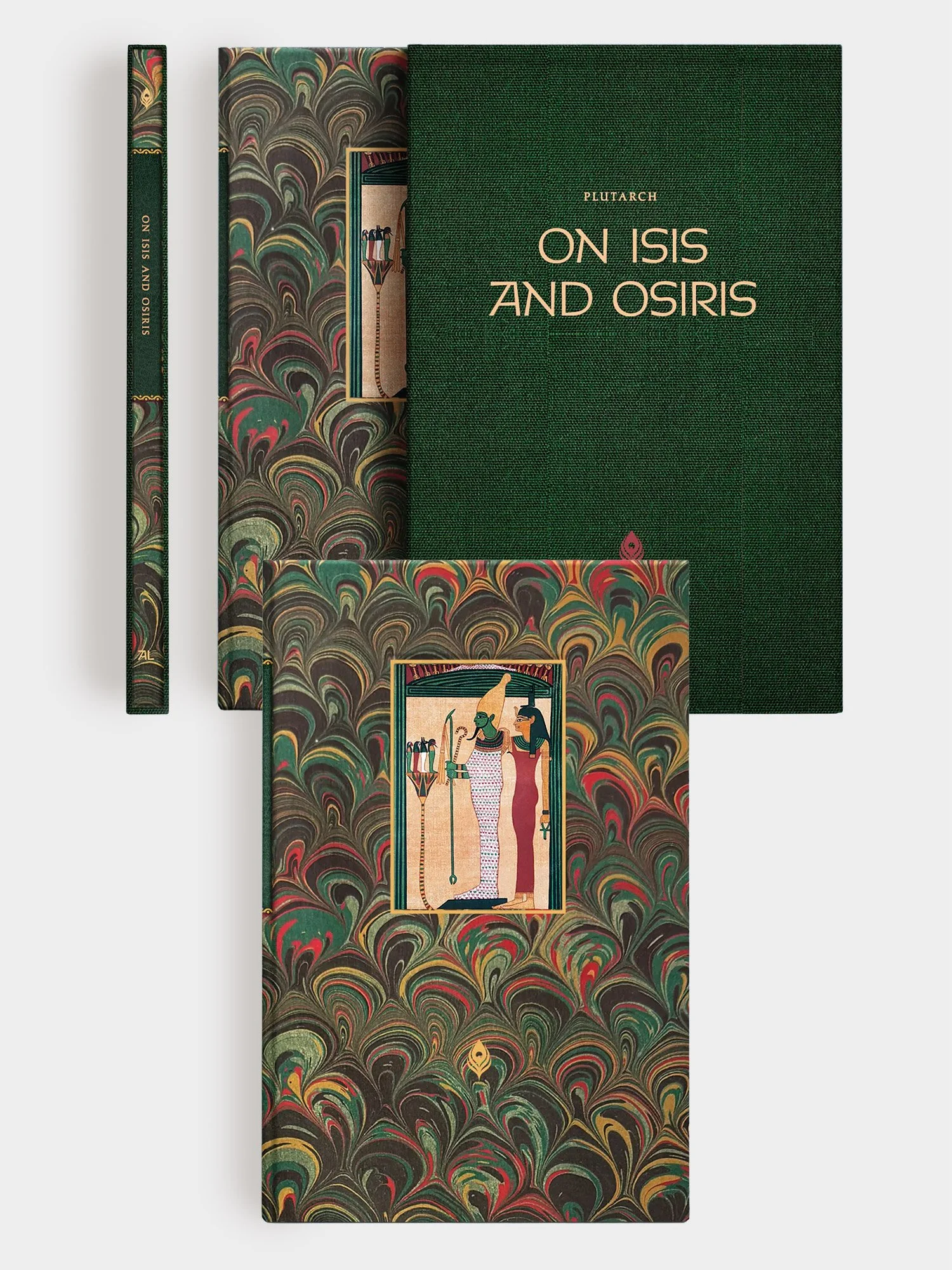 Image 2 of 3
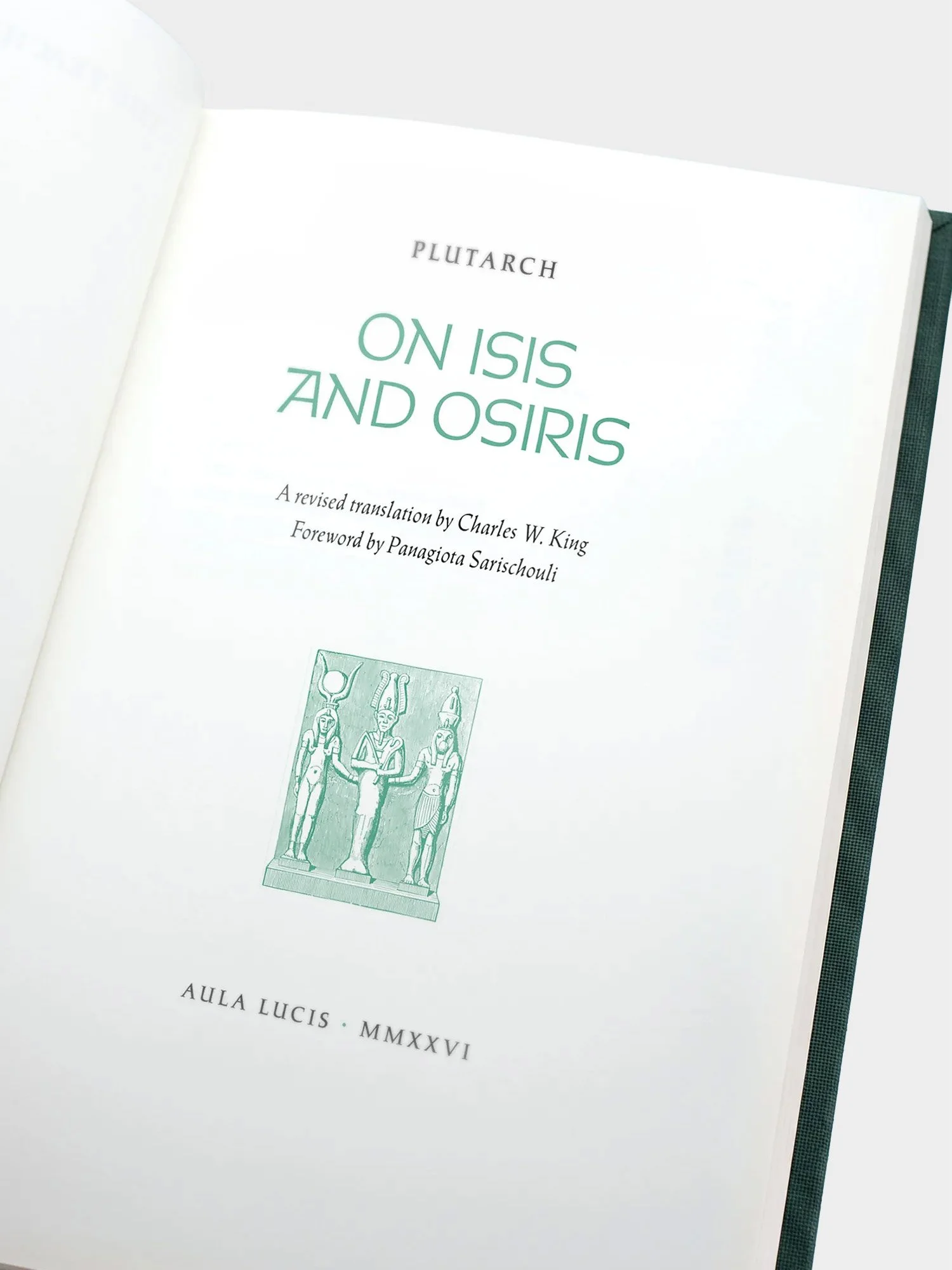 Image 3 of 3
-
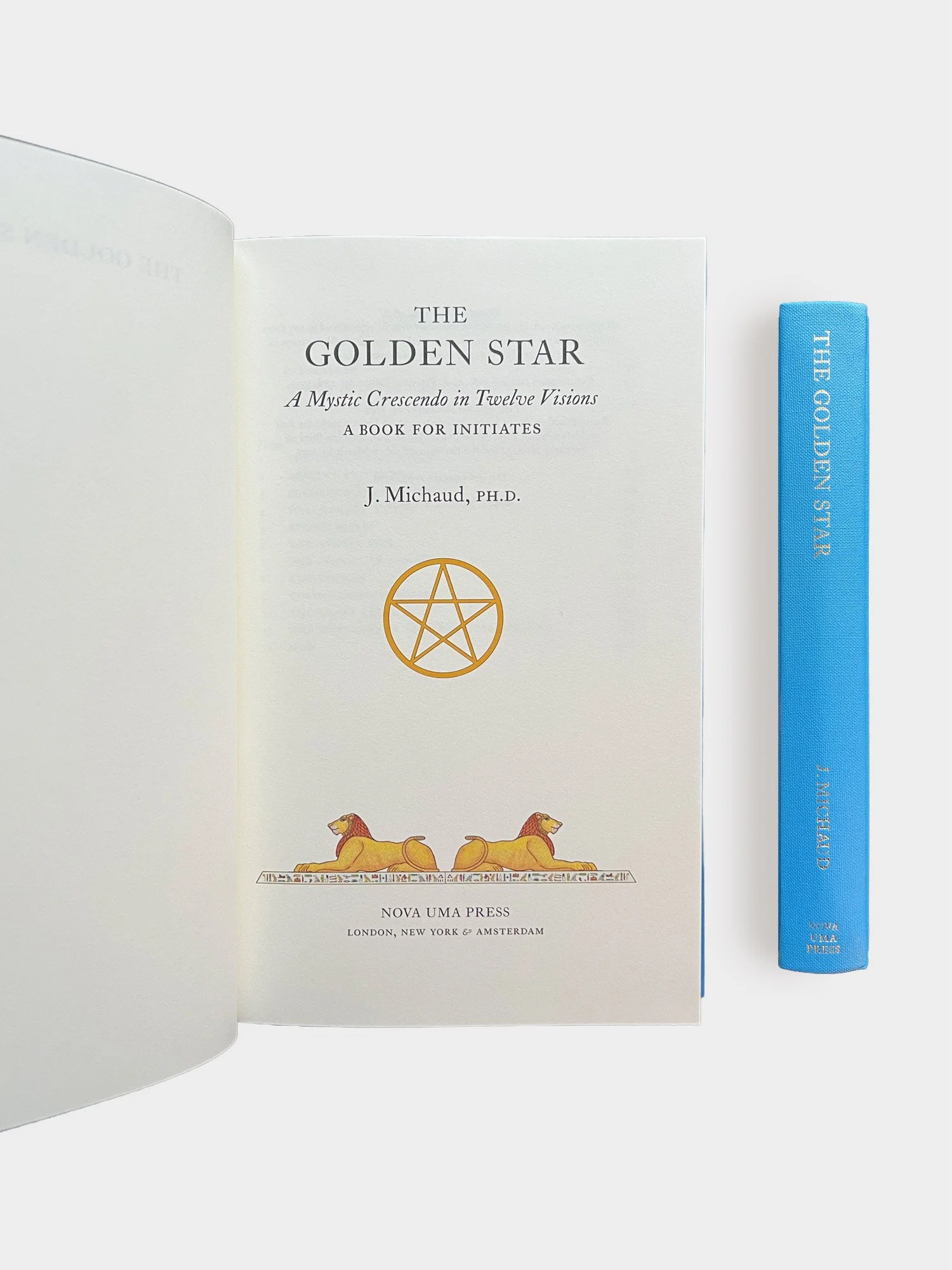
Aula Lucis
• Trim size 180 x 120mm.
• 160 pages.
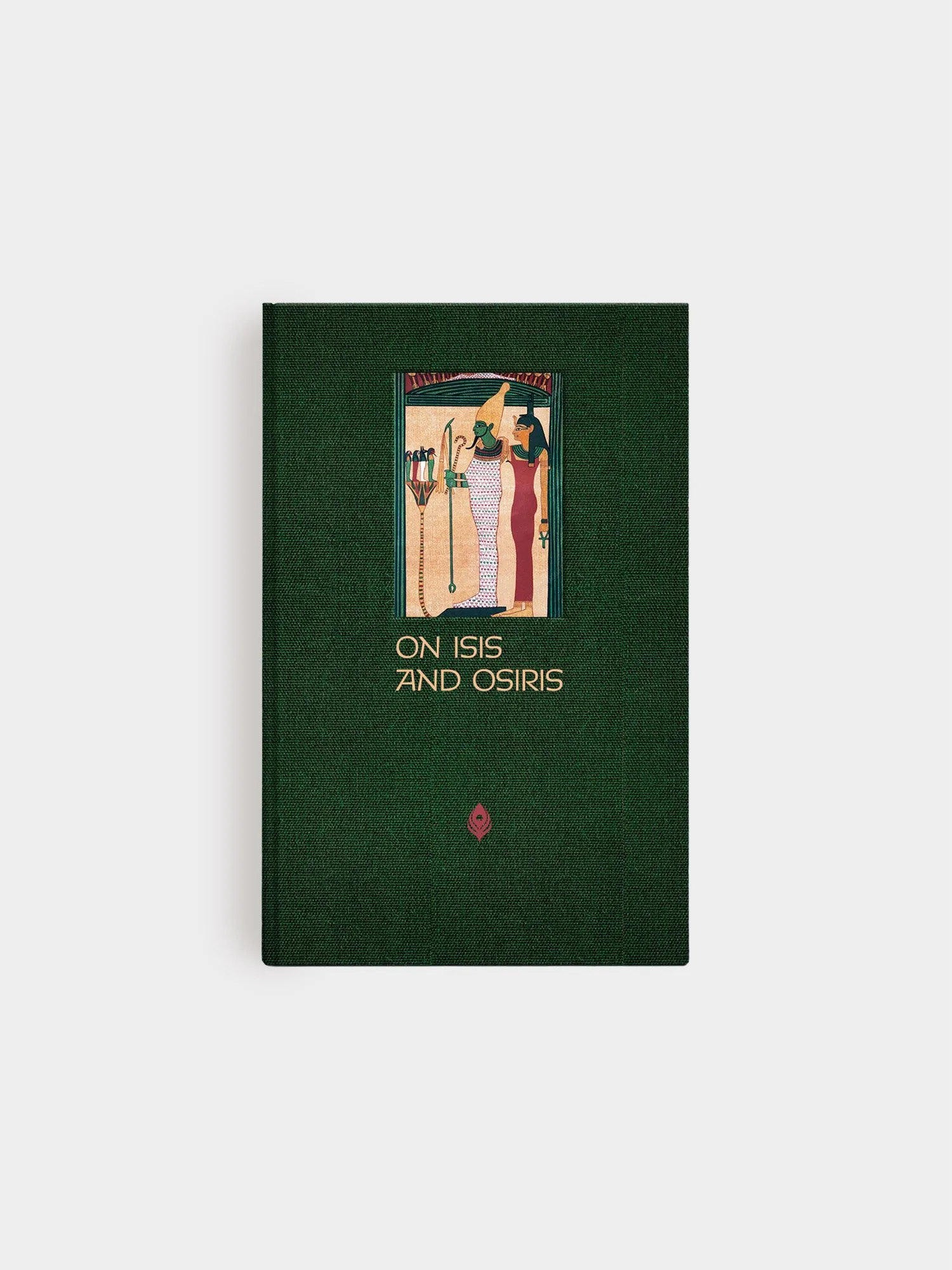
• Bound in dark green Italian book cloth, stamped in gold and red foils.
• Front cover features coloured inlay with the image of Isis and Osiris.
• Including seven colour illustrations.
• Printed in duotone on premium archival paper.
• Cherry-coloured endpapers, coloured head & tail bands and ribbon.
1st Edition, limited to 1000 copies.
-
Aula Lucis
• Trim size 180 x 120mm.
• 160 pages.
• Bound in peacock-patterned marbled paper, crafted especially for this edition in the colours reflecting the Osirian–Isiac myth cycle by Jemma Lewis.
• Front cover features coloured inlay with the image of Isis and Osiris.
• Stamped in gold foil, with hand-cut green leather title label on the spine.
• All edges coloured dark red.
• Presented with a slipcase, bound in dark-green Italian cloth and stamped in gold and red foils.
• Including seven colour illustrations.
• Printed in duotone on premium archival paper.
• Cherry-coloured endpapers with peacock-patterned embossing, coloured head & tail bands and ribbon.
• Each volume comes with a standalone colour print featuring a full reproduction of the cover artwork.
Limited to 144 hand-numbered copies.
Description
¶ Plutarch’s De Iside et Osiride (part of his Moralia) draws upon a rich tapestry of earlier Greek and Egyptian sources, ranging from fifth- and fourth-century bce authors such as Eudoxus of Cnidus and Hecatæus of Abdera to the Ptolemaic-era Egyptian priest and historian Manetho. Unlike the fragmented, often allusive references to the Osirian myth in the Pyramid Texts, Coffin Texts, Book of the Dead, hymns, and temple inscriptions, Plutarch crafts a single, meaningful narrative that Hellenizes yet faithfully preserves core Egyptian elements. He presents the myth not merely as history or fable but as a philosophical allegory: Osiris embodies the creative Logos and fertilizing principle, Isis the receptive feminine power of Nature, and Typhon–Seth the chaotic, destructive force. The treatise thus bridges Greek rational inquiry and Egyptian religious wisdom, offering profound reflections on the nature of the divine, the afterlife, and the Cosmos that resonated deeply in the Græco-Roman world and beyond.
¶ The cultural and intellectual significance of Plutarch’s work is immense. It became the foundational classical source for the Isis–Osiris myth in later antiquity, influencing Neoplatonists, early Christian thinkers, Renaissance humanists, and modern esoteric traditions. Its philosophical depth—interpreting the myth in terms of Platonic and Middle Platonic ideas—elevated it far above mere antiquarian interest. Crucially, as Professor Panagiota Sarischouli demonstrates in her own scholarship (including her recent authoritative study, Decoding the Osirian Myth), Plutarch’s mythographical narrative is not only vindicated, but also powerfully complemented by the Greek and Demotic Magical Papyri. These texts, through their historiolæ (short mythical precedents recited to harness divine power), preserve additional or confirmatory details on key episodes, from the prenatal union of Isis and Osiris and the search for the body to the magical rituals of resurrection, the Byblos sojourn, and the loss of the phallus. Together, the literary and magical sources yield a far richer understanding of the myth than either provides alone.
¶ This distinguished new edition revives and enhances Charles W. King’s classic, elegantly literary translation—long admired for its clarity, dignity, and fidelity to Plutarch’s philosophical voice—updating it with the fruits of contemporary scholarship on the magical papyri, Late Period and Ptolemaic sources, and transcultural interpretations of the Osirian cycle. Professor Panagiota Sarischouli contributes a substantial foreword that situates the treatise within the broader landscape of Egyptian, Greek, and Græco-Egyptian traditions, highlighting precisely how literary and magical sources illuminate one another. Finally, a 40-page commentary augments the text with further discussions and elucidations of the mythographical, Egyptological, and philosophical significance of its key themes. Ideal for classicists, Egyptologists, historians of religion, and anyone drawn to the profound mysteries of Isis and Osiris, this volume offers both an accessible gateway to one of antiquity’s greatest religious-philosophical texts and a modern resource enriched by the very latest research. It stands as an indispensable contribution to the ongoing exploration of the sacred myths that shaped the ancient world and continue to inform our collective consciousness to this day.

![On the Eleusinian and Bacchic Mysteries [PRE-ORDER]](https://images.squarespace-cdn.com/content/v1/63f0dc03f3010727a440d3a6/59bc0251-8d72-486f-9475-6f37a6ea5a2c/ON-THE-ELEUSIAN_01.jpg)



![On Dreams [PRE-ORDER]](https://images.squarespace-cdn.com/content/v1/63f0dc03f3010727a440d3a6/247a3ac4-342f-4c01-83d9-4ccb1c5c998d/ON_DREAMS_01.jpg)