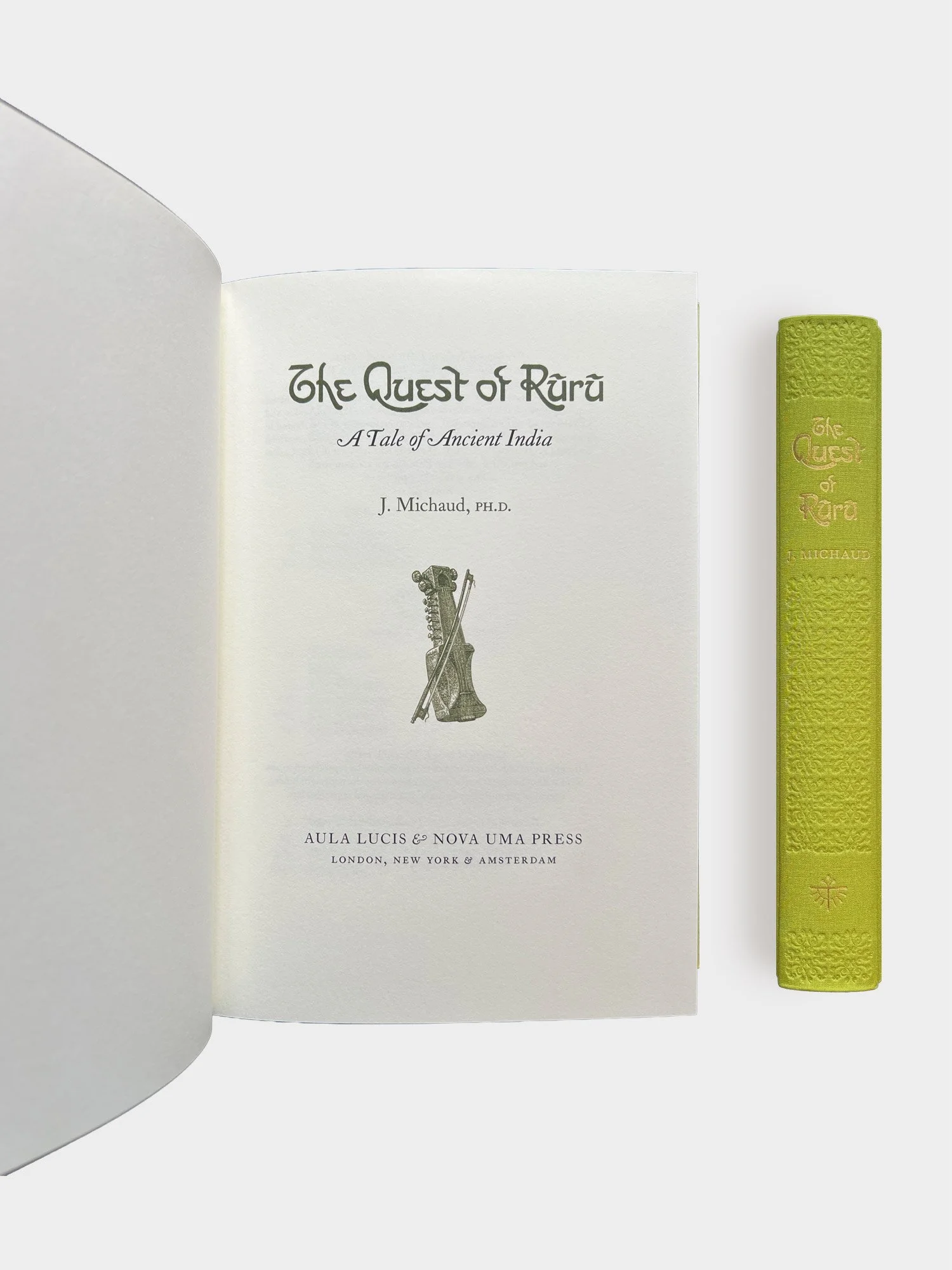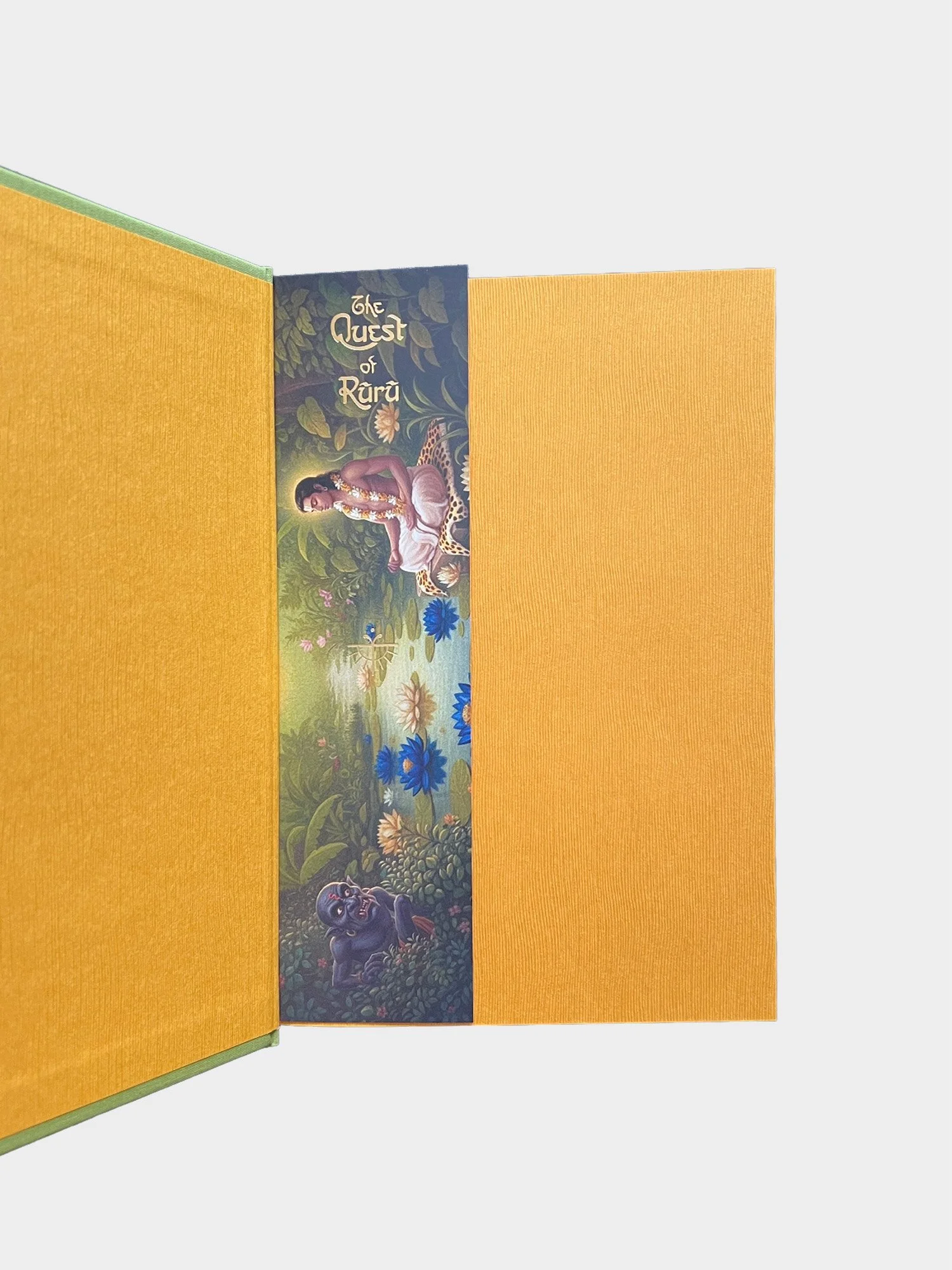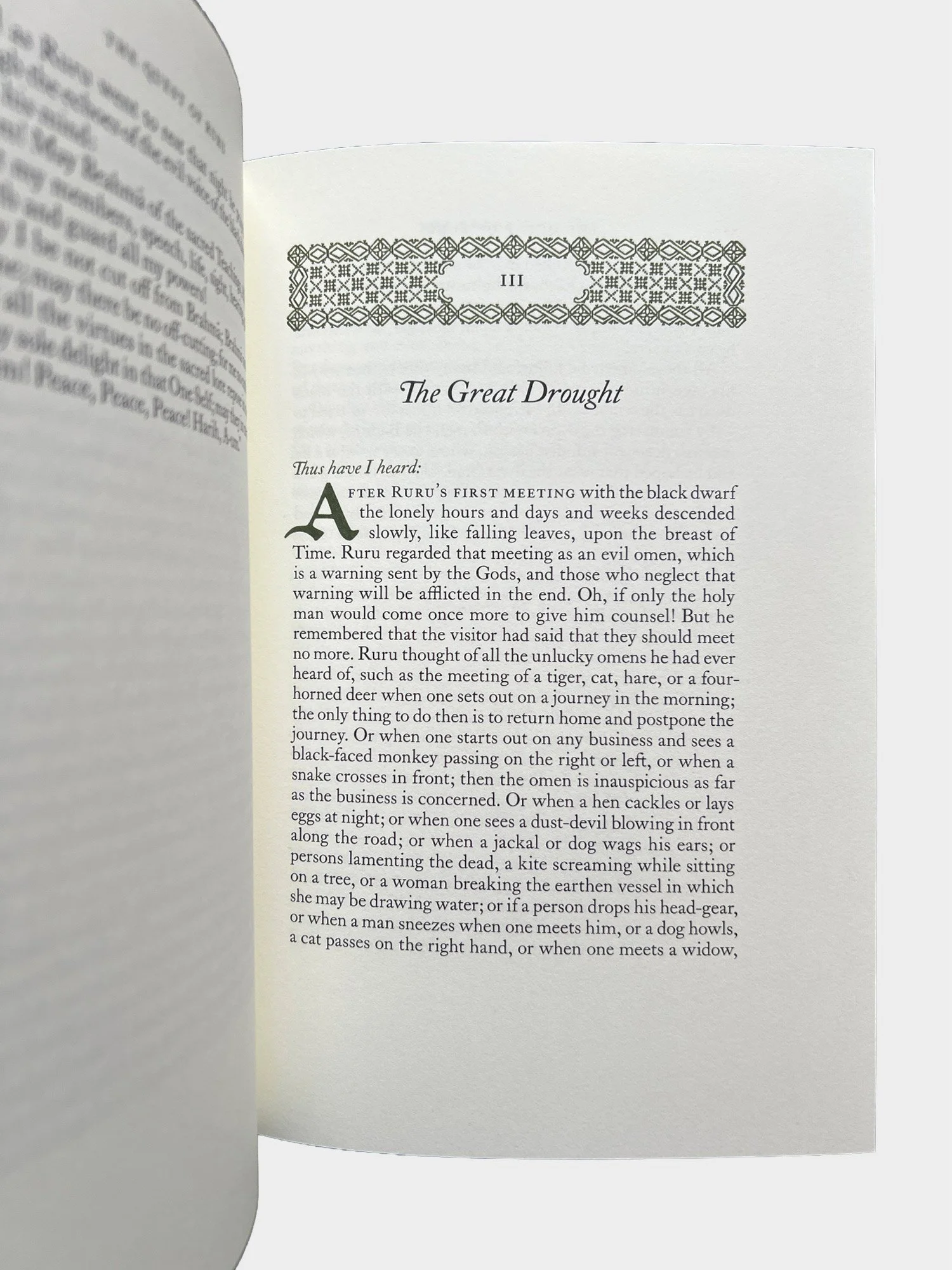
 Image 1 of 3
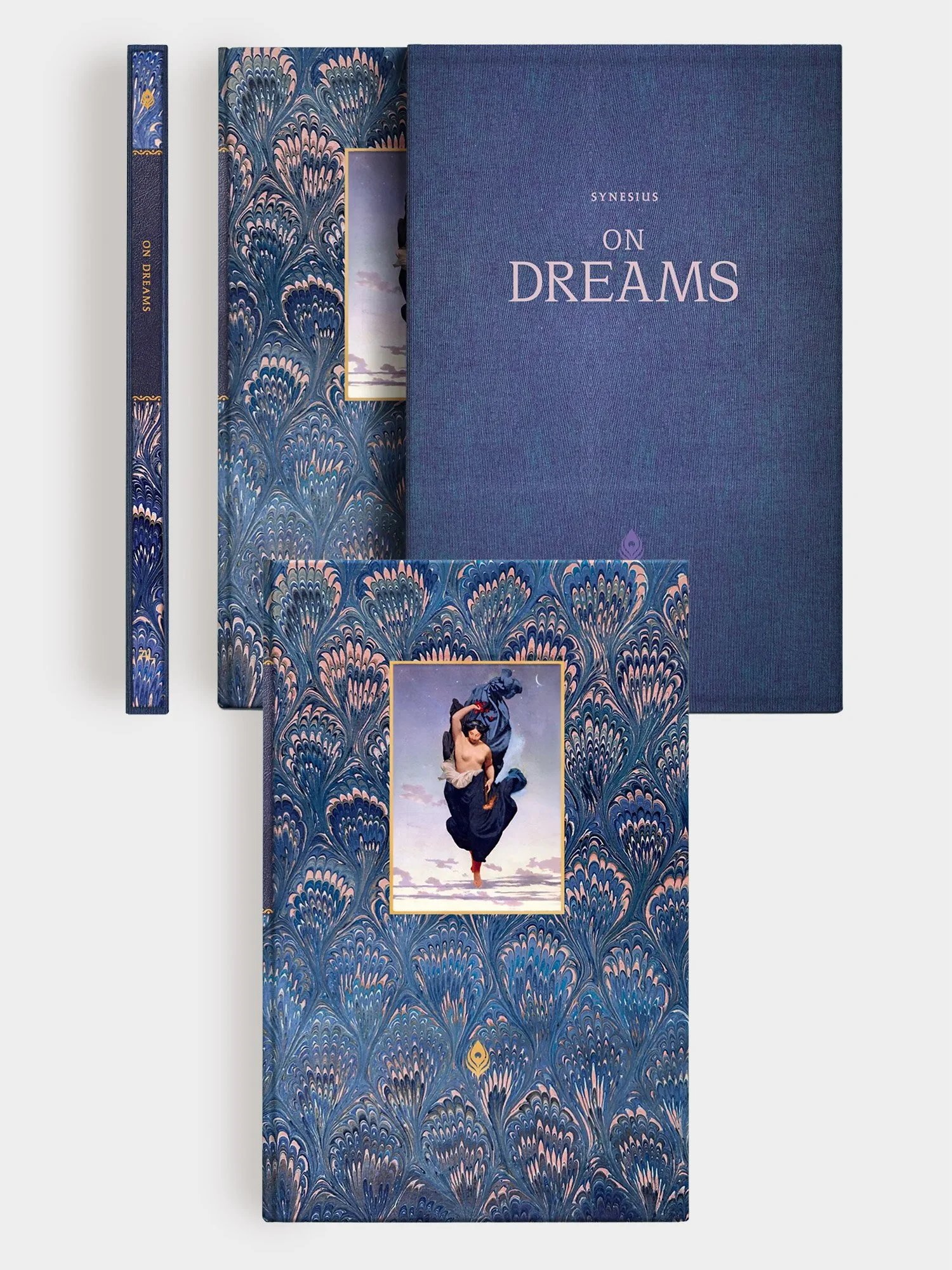 Image 2 of 3
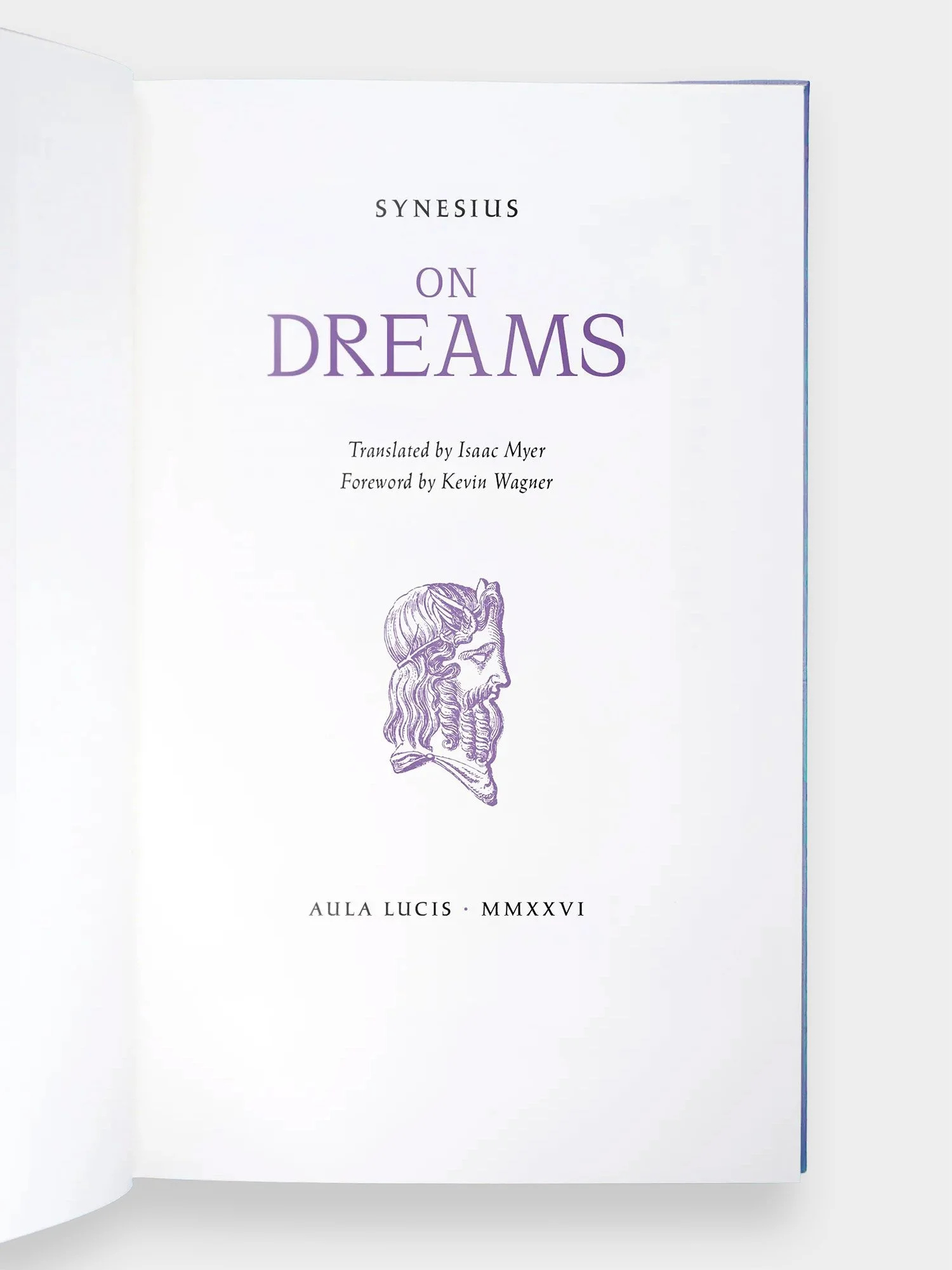 Image 3 of 3
-
Aula Lucis
• Trim size 180 x 120mm.
• 160 pages.
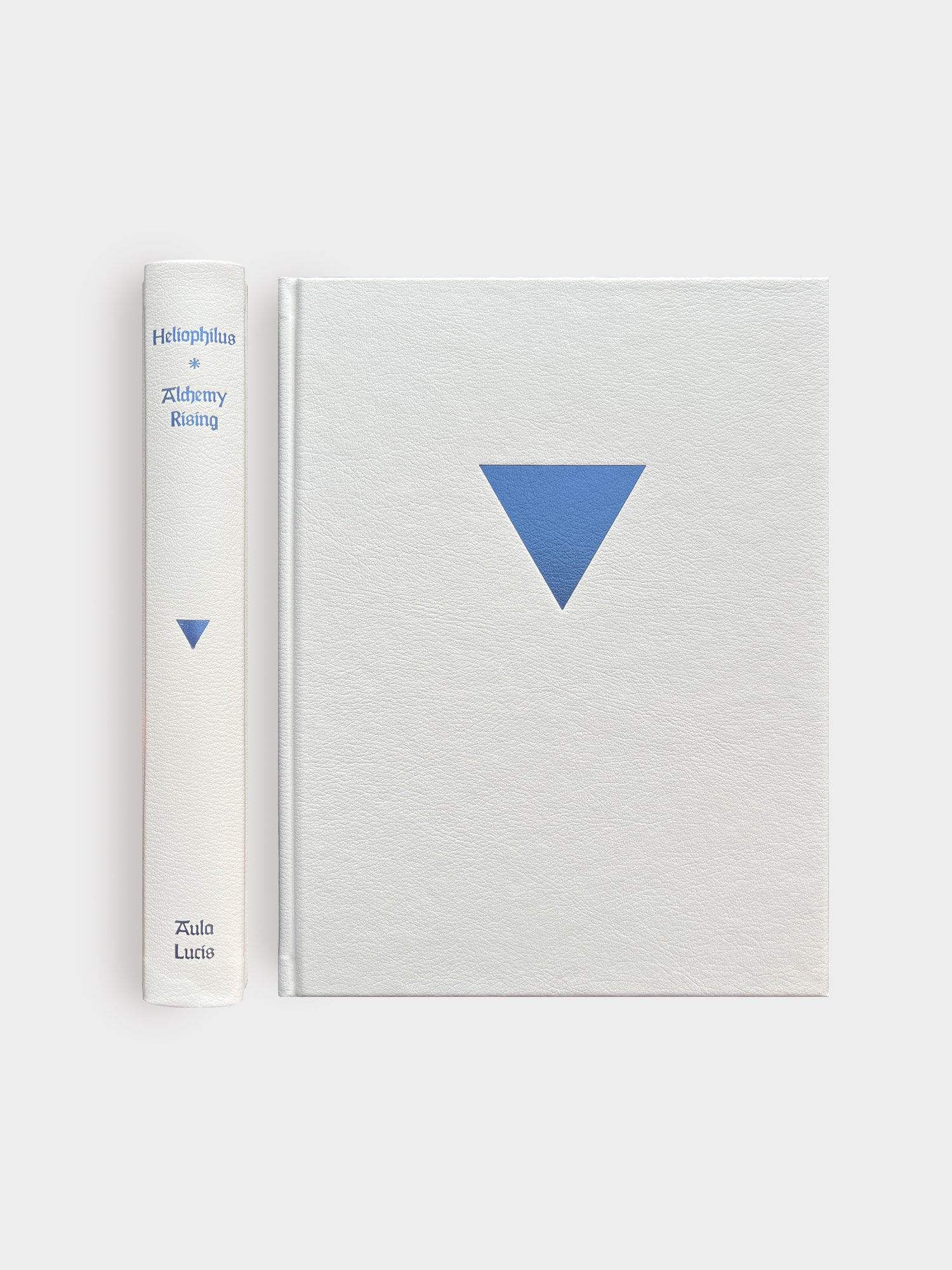
• Bound in blue-violet duotone cloth, stamped in pale mauve and violet foils.
• Front cover features coloured inlay with Jean-Léon Gérôme’s painting titled “Night” (1850–55).
• Including 8 colour illustrations.
• Printed in duotone on premium archival paper.
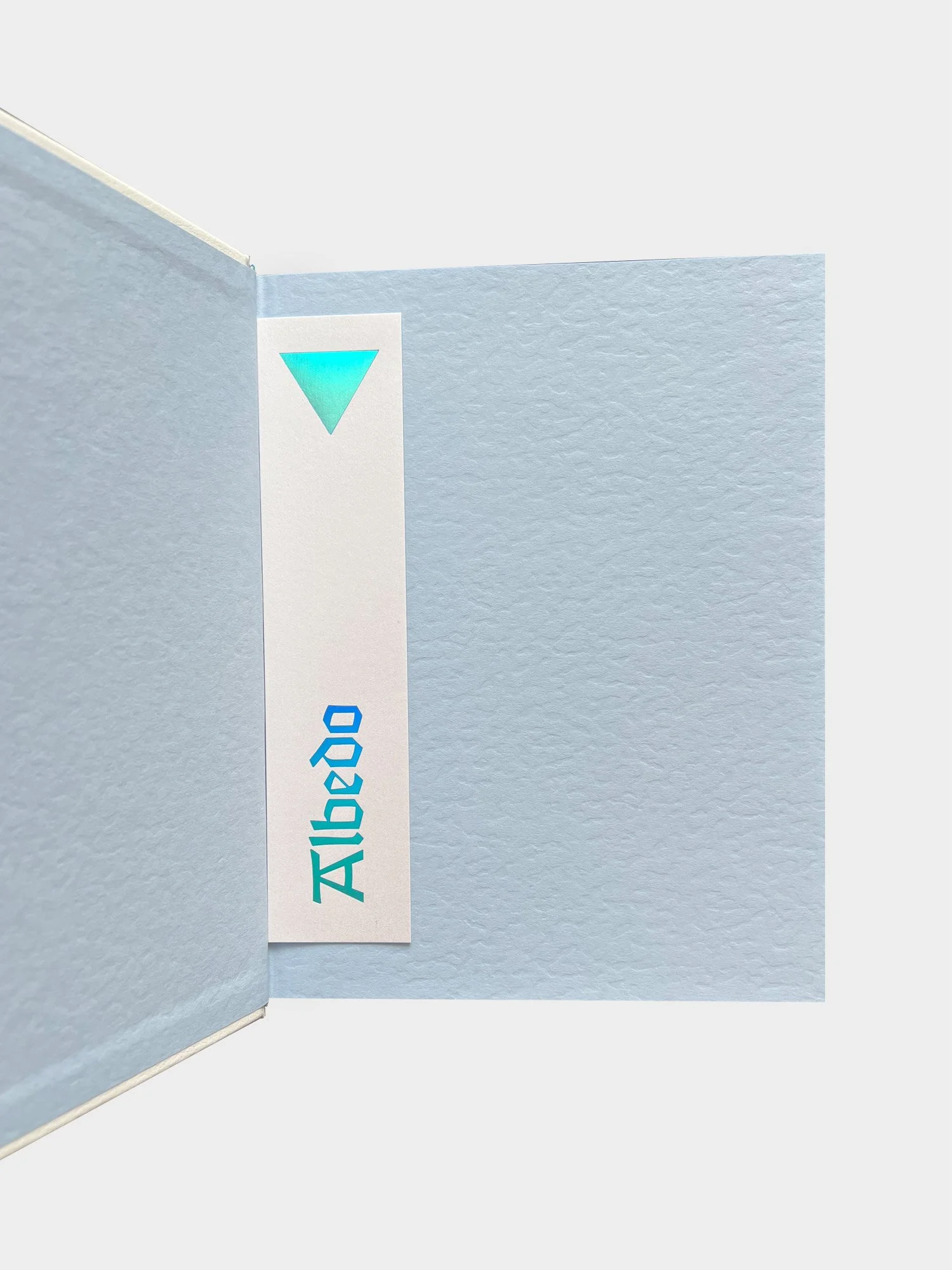
• Mauve endpapers, coloured head & tail bands and ribbon.
1st Edition, limited to 1000 copies.
-
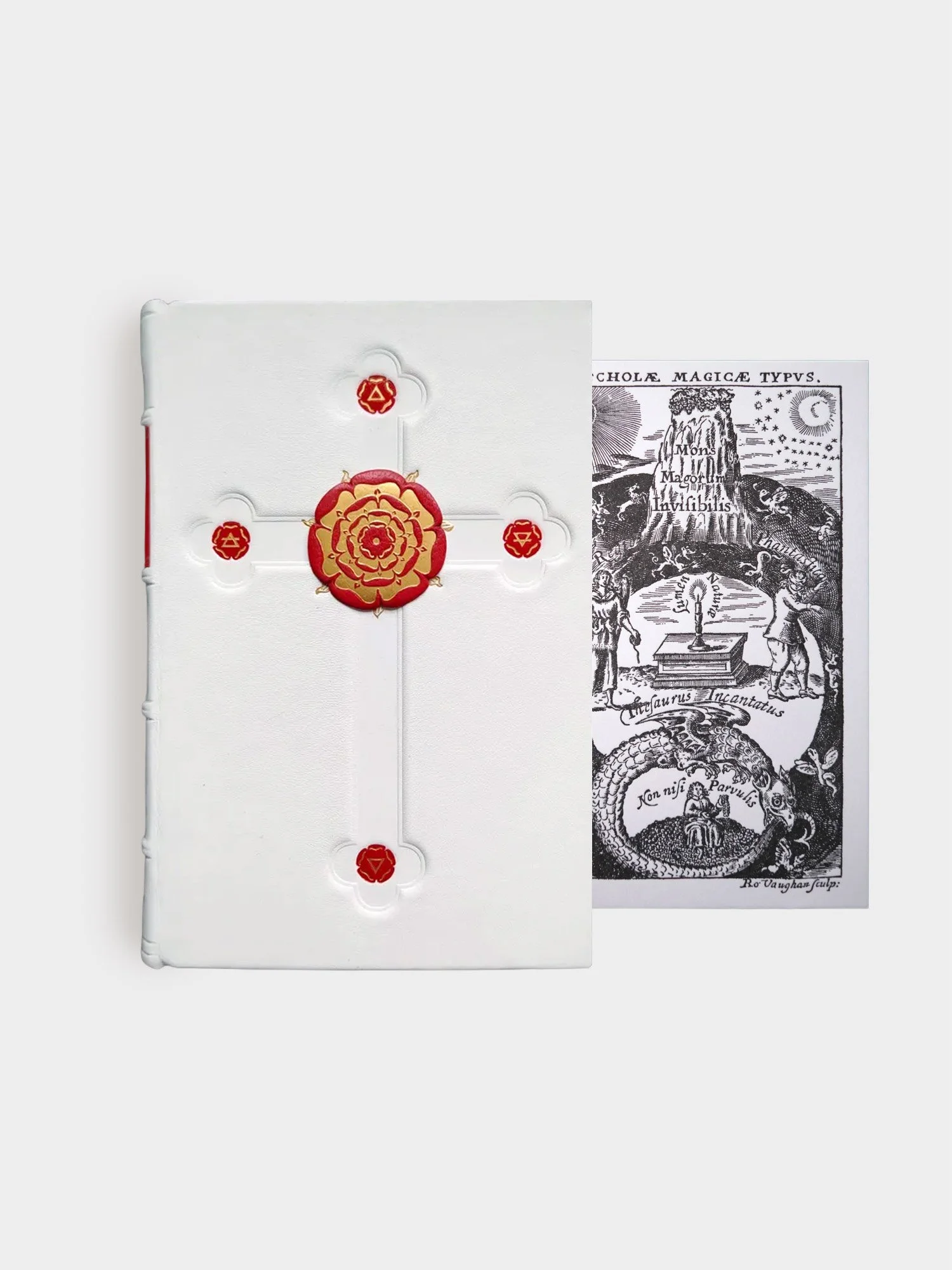
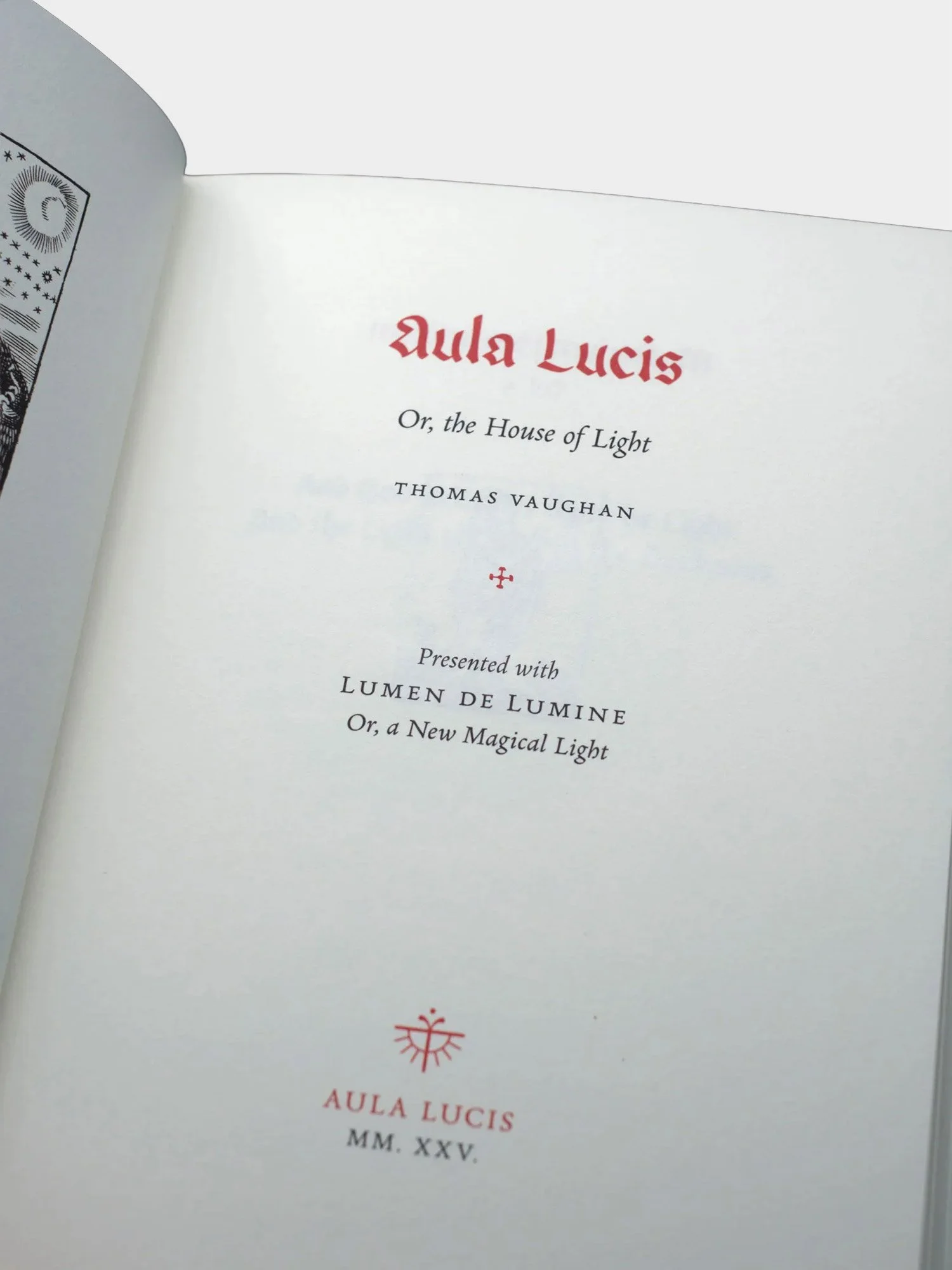
Aula Lucis
• Trim size 180 x 120mm.
• 160 pages.
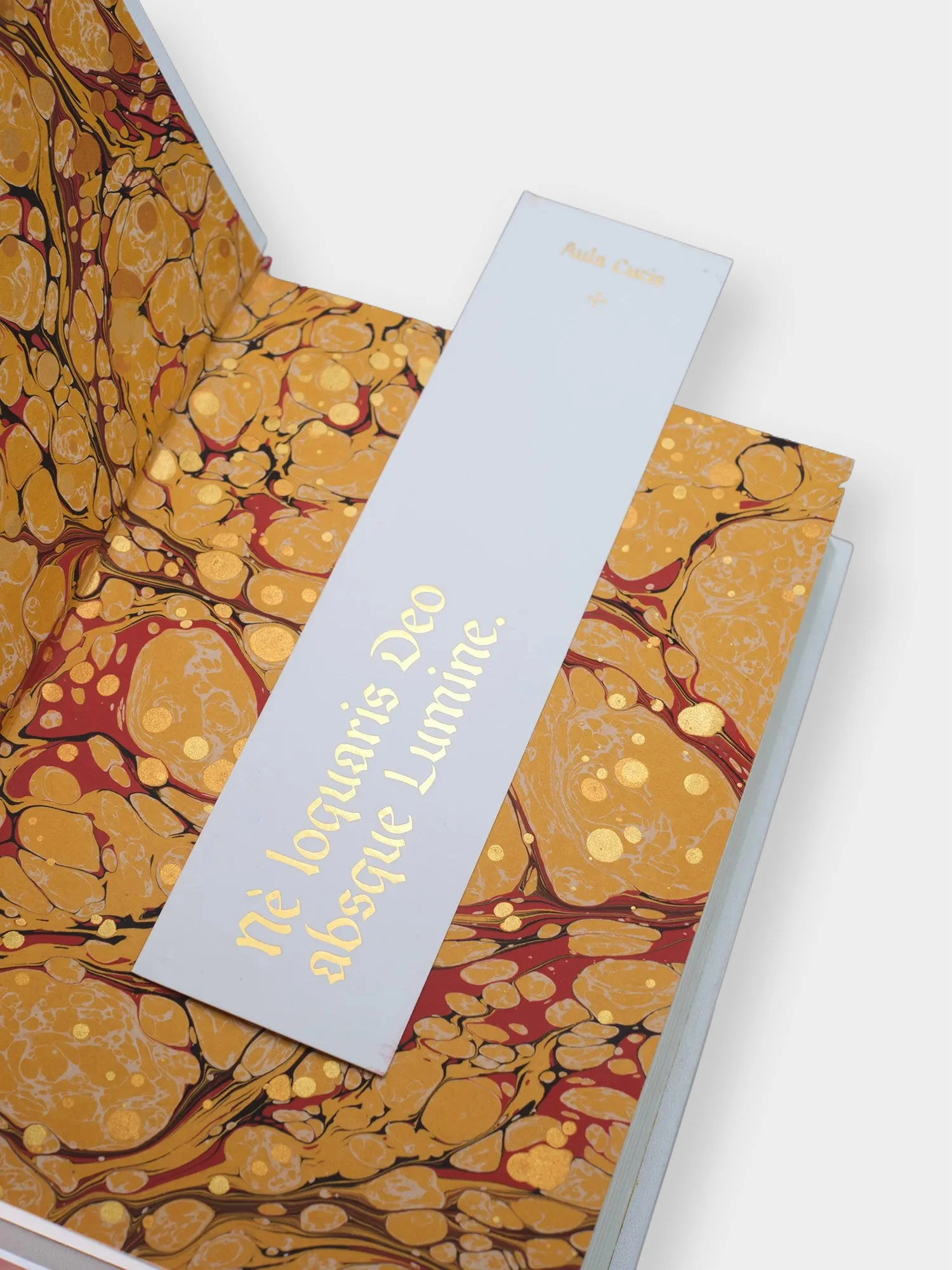
• Bound in peacock-patterned marbled paper, crafted especially for this edition by Il Papiro Firenze of Florence in a dreamy palette of luscious blues, violets and pinks, inspired by the central artwork.
• Front cover features coloured inlay with Jean-Léon Gérôme’s painting titled “Night” (1850–55).
• Stamped in gold foil, with hand-cut violet leather title label on the spine.
• All edges coloured mauve.
• Presented with a slipcase, bound in blue-violet duotone cloth and stamped in pale mauve and violet foils.
• Including 8 colour illustrations.
• Printed in duotone on premium archival paper.
• Mauve endpapers with peacock-patterned embossing, coloured head & tail bands and ribbon.
• Each volume comes with a standalone colour print featuring a full reproduction of the cover artwork.
Limited to 144 hand-numbered copies.
Description
¶ Synesius, the future bishop of the Libyan Pentapolis, was born in Cyrene sometime between 365 and 370 CE into a wealthy, land-owning aristocratic family. Around 393 he moved to Alexandria, where he studied under the famous Hypatia, daughter of the mathematician Theon of Smyrna. Hypatia taught both Christians and pagans alike, and her influence on Synesius was profound; he referred to her as his “august Mistress,” “mother, sister, teacher, and withal benefactress,” and maintained contact with her long after his studies, placing the highest value on her judgment of his writings. Formed in the best Greek paideia and immersed in the Neoplatonic currents of late antique Alexandria, Synesius composed On Dreams in a single night in a state of heightened inspiration. Empassioned in its arguments, it constitutes a philosophically rigorous exploration of oneiromancy at a time when traditional forms of divination faced increasing legal and ecclesiastical restrictions. Rather than a simple handbook, the treatise presents a complex account of the mechanics of dreams, grounded in a deeply philosophical vision of the Cosmos, the soul, and man.
¶ Ever the philosopher, Synesius demonstrates that a rational account of dream divination rests on a particular understanding of the soul and its vehicle, and their dynamic relationship with the imaginative faculty. He begins with the doctrine of cosmic sympathy, the Neoplatonic tenet that the universe is a single living being whose parts are interconnected, making prophecy and divination possible. Drawing on Plotinian metaphysics, he distinguishes the Intellect (nous), which contains the forms of true being and engages in eternal contemplation, from the rational soul, which projects forms of becoming onto the imagination. The imagination, for Synesius, is the vehicle of the soul. It is amphibious in nature, occupying the mean between spirit and matter and uniting the two extremes. When the soul descends from the celestial sphere, it takes hold of the imagination “using it as a chariot, in order that it may accomplish its journey in the physical world.” Through this imaginative vehicle, the soul gathers the senses and receives knowledge both from the physical world and directly from the divine during sleep, when God instructs it while the bodily senses lie dormant. In this treatise we find one of the first references to lucid dreaming; we are also presented with the startling doctrine concerning the redemption and re-ascent of the soul together with its elemental vehicle, echoing the abstruse teachings of the Egyptian sages.
¶ This new edition restores Isaac Myer’s little-known but highly refined late 19th-century translation to modern readers, augmented by an extensive commentary drawn chiefly from A. Fitzgerald’s authoritative notes. Aside from Synesius’ letter no. 154 to Hypatia, reproduced in full, two appendices enrich the volume immeasurably. Cicero’s Dream of Scipio presents a visionary account of the soul’s posthumous journey through the planetary spheres, its contemplation of the cosmic order, and the moral consequences of earthly life—directly illuminating the motif of descent and re-ascent that Synesius discusses in his treatise. Macrobius’ commentary on the same text (extracted from Chapter 12) supplies a detailed Neoplatonic exegesis of planetary influences, the soul’s starry vehicle, and the philosophical cosmology of descent, filling out Synesius’ treatment and deepening the reader’s grasp of his epistemology and soteriology. A foreword by Dr Kevin Wagner further situates the work within its intellectual world, highlighting Synesius’ innovative synthesis of Porphyrian and Iamblichean ideas and his enduring insight that virtue is the surest path to clear dreaming and union with the divine.



![On the Eleusinian and Bacchic Mysteries [PRE-ORDER]](https://images.squarespace-cdn.com/content/v1/63f0dc03f3010727a440d3a6/59bc0251-8d72-486f-9475-6f37a6ea5a2c/ON-THE-ELEUSIAN_01.jpg)