Crooked Confessions

CA$129.00
Only 9 available

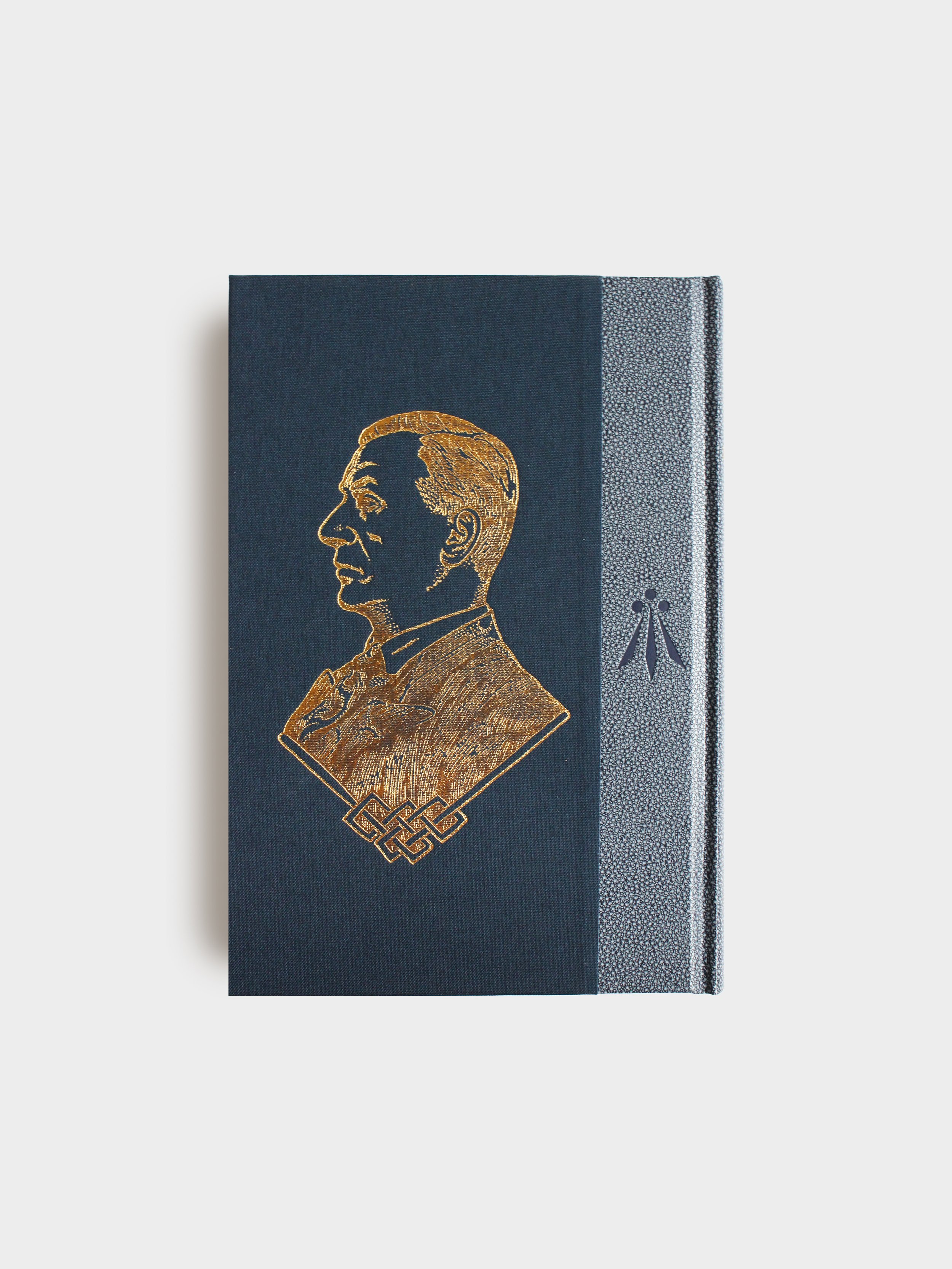
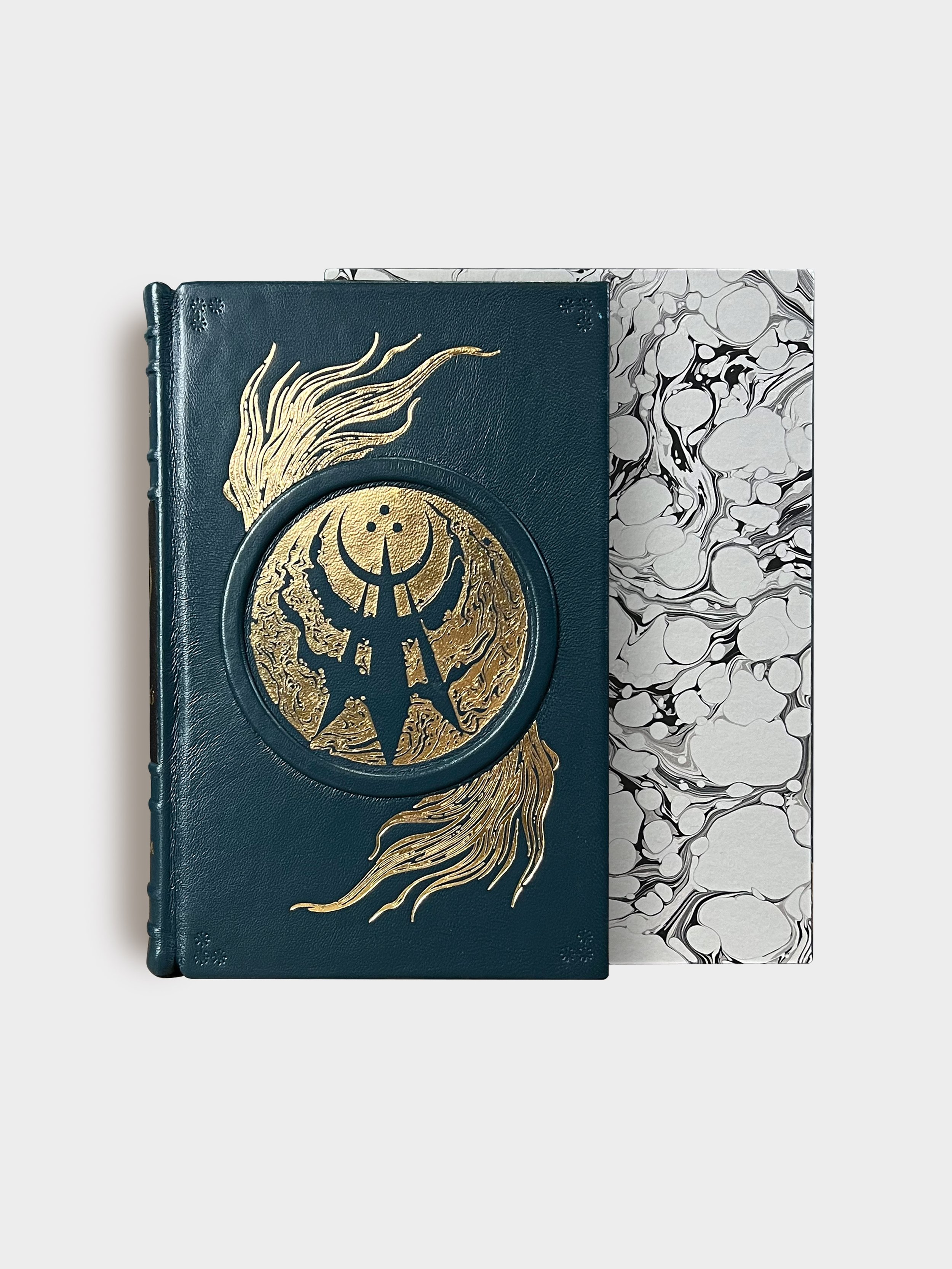
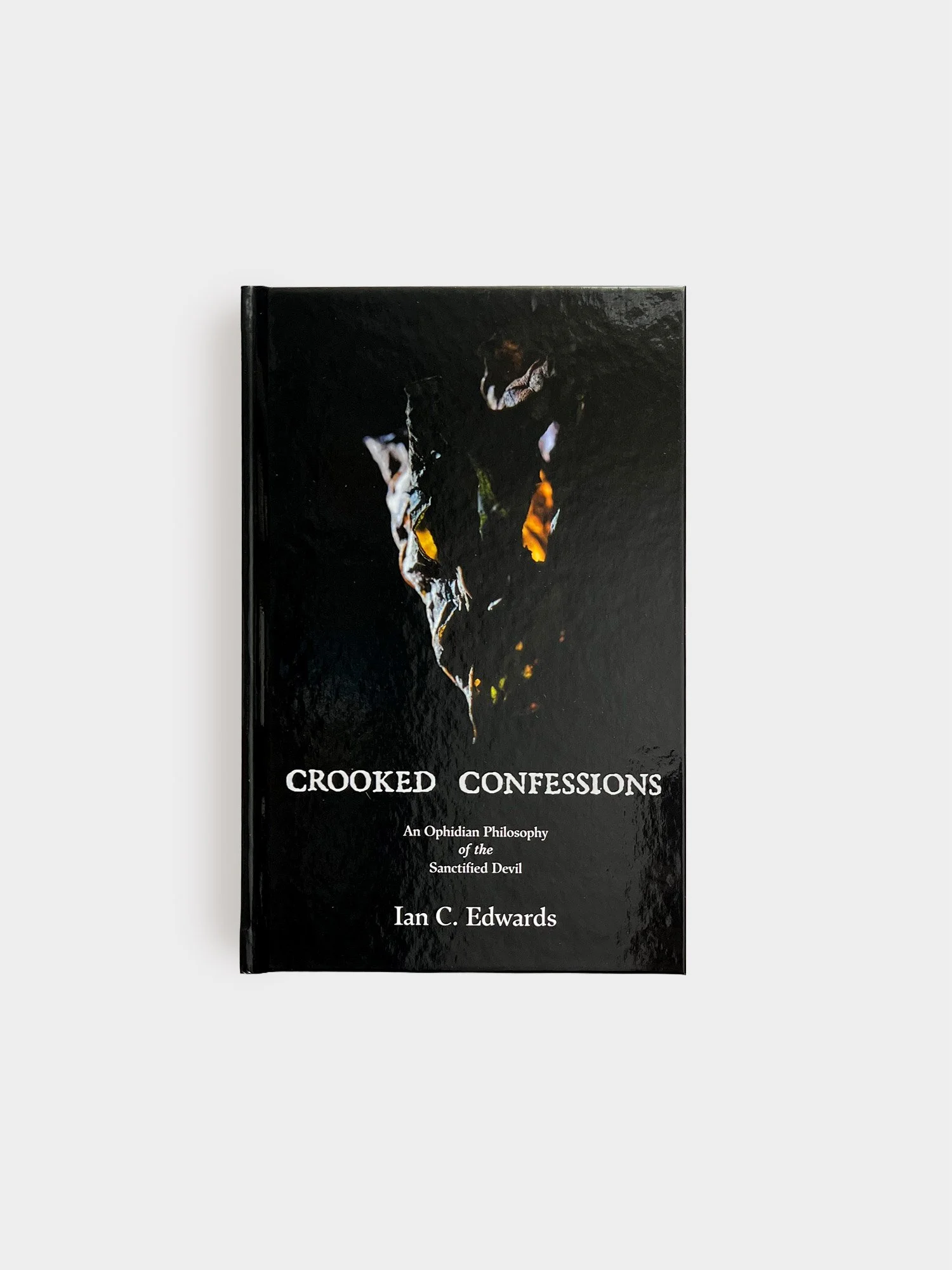
Crooked Confessions: An Ophidian Philosophy of the Sanctified Devil - Blades of Grass After the Scythe

by Ian C. Edwards, PhD

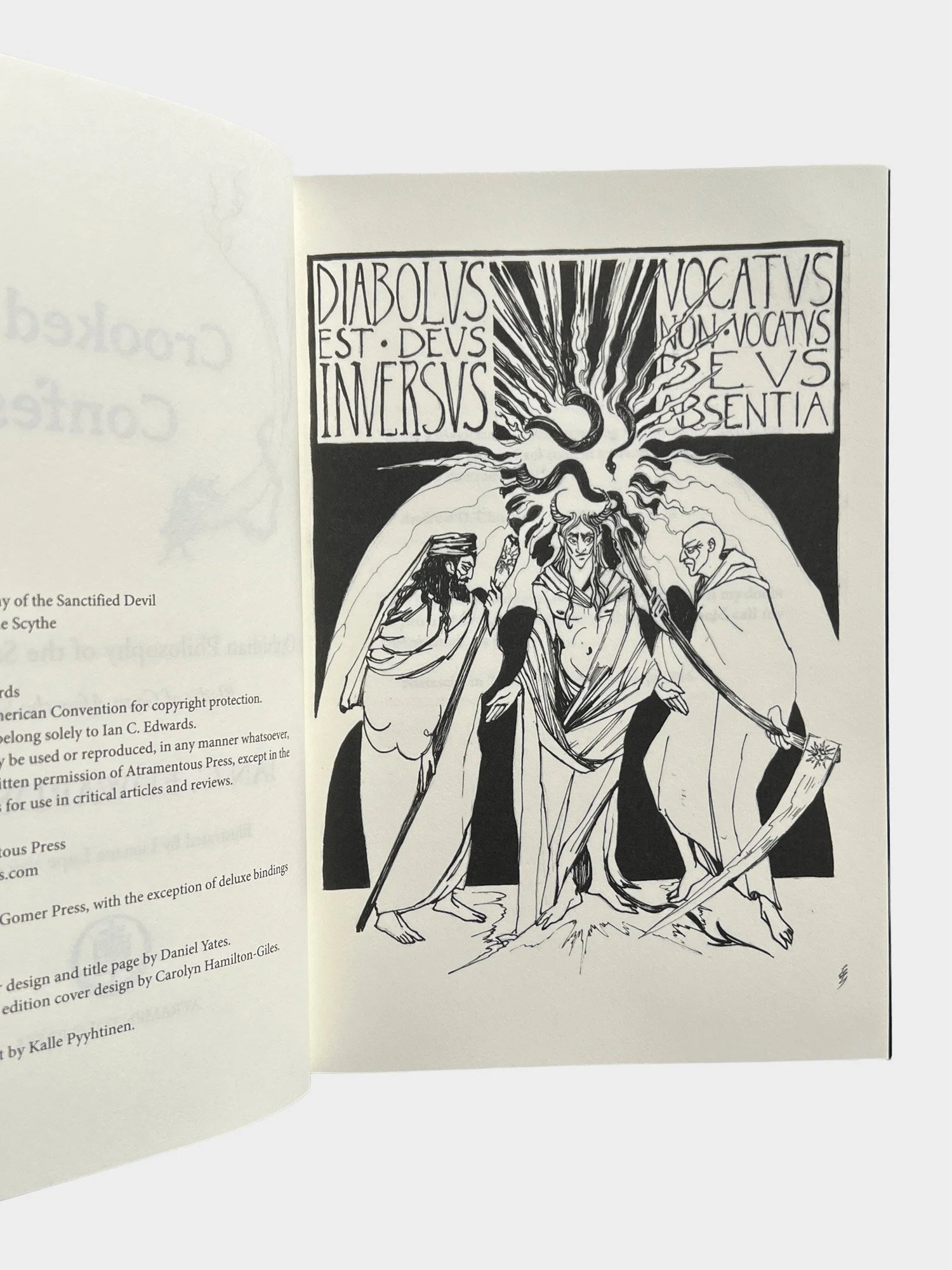
Illustrated by Luciana Lupe Vasconcelos

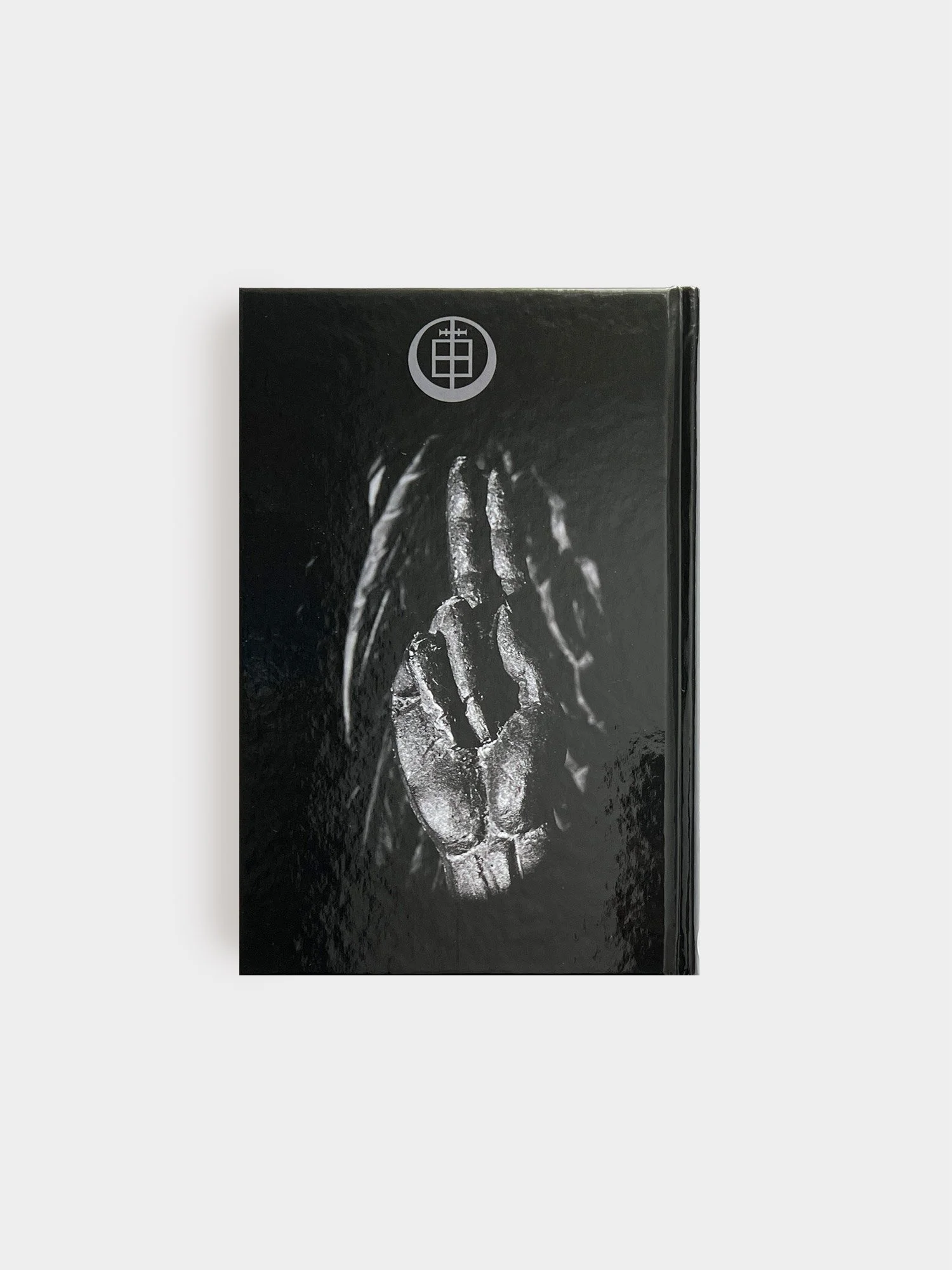
Cover photography by Daniel Yates (also found within the pages of Arcanum)

Crooked Confessions is a book for the untimely ones, being an untimely book, a book for those who are yet to come.  It presents an Ophidian philosophy that has roots in Nietzsche’s Twilight of the Idols and its companion volume The Antichrist, culminating in the Crooked Path Sorcery of Andrew D. Chumbley.

Throughout the text, which, like Chumbley’s Khiazmos, is a “book without pages,” Edwards not only describes, but reveals a new way of philosophizing, where he hands the reader a scythe as a philosophical tool.  Here, deconstruction is pushed to its limits and beyond.  Words are killed with (s)words that kill, from hammer taps to scythe swings, from Nietzsche to Qayin.  The Übermensch becomes a bridge to the “Sanctified Devil.”

At times, Crooked Confessions is a book about selected aspects of Crooked Path Sorcery, but often, it is a crooked book.  It inverts the wisdom of Proverbs 3:6 and similar biblical passages, by making straight paths crooked.  Crooked Confessions presents a philosophy of the Sanctified Devil; one who not only practices Magick, but becomes it, living as a “dancing contradiction.” 

[read more below]

Crooked Confessions: An Ophidian Philosophy of the Sanctified Devil - Blades of Grass After the Scythe

by Ian C. Edwards, PhD

Illustrated by Luciana Lupe Vasconcelos

Cover photography by Daniel Yates (also found within the pages of Arcanum)

Crooked Confessions is a book for the untimely ones, being an untimely book, a book for those who are yet to come.  It presents an Ophidian philosophy that has roots in Nietzsche’s Twilight of the Idols and its companion volume The Antichrist, culminating in the Crooked Path Sorcery of Andrew D. Chumbley.

Throughout the text, which, like Chumbley’s Khiazmos, is a “book without pages,” Edwards not only describes, but reveals a new way of philosophizing, where he hands the reader a scythe as a philosophical tool.  Here, deconstruction is pushed to its limits and beyond.  Words are killed with (s)words that kill, from hammer taps to scythe swings, from Nietzsche to Qayin.  The Übermensch becomes a bridge to the “Sanctified Devil.”

At times, Crooked Confessions is a book about selected aspects of Crooked Path Sorcery, but often, it is a crooked book.  It inverts the wisdom of Proverbs 3:6 and similar biblical passages, by making straight paths crooked.  Crooked Confessions presents a philosophy of the Sanctified Devil; one who not only practices Magick, but becomes it, living as a “dancing contradiction.” 

[read more below]

  • Head and Tail Bands
    Printed cover

    Limited to 300 copies


CONTENTS

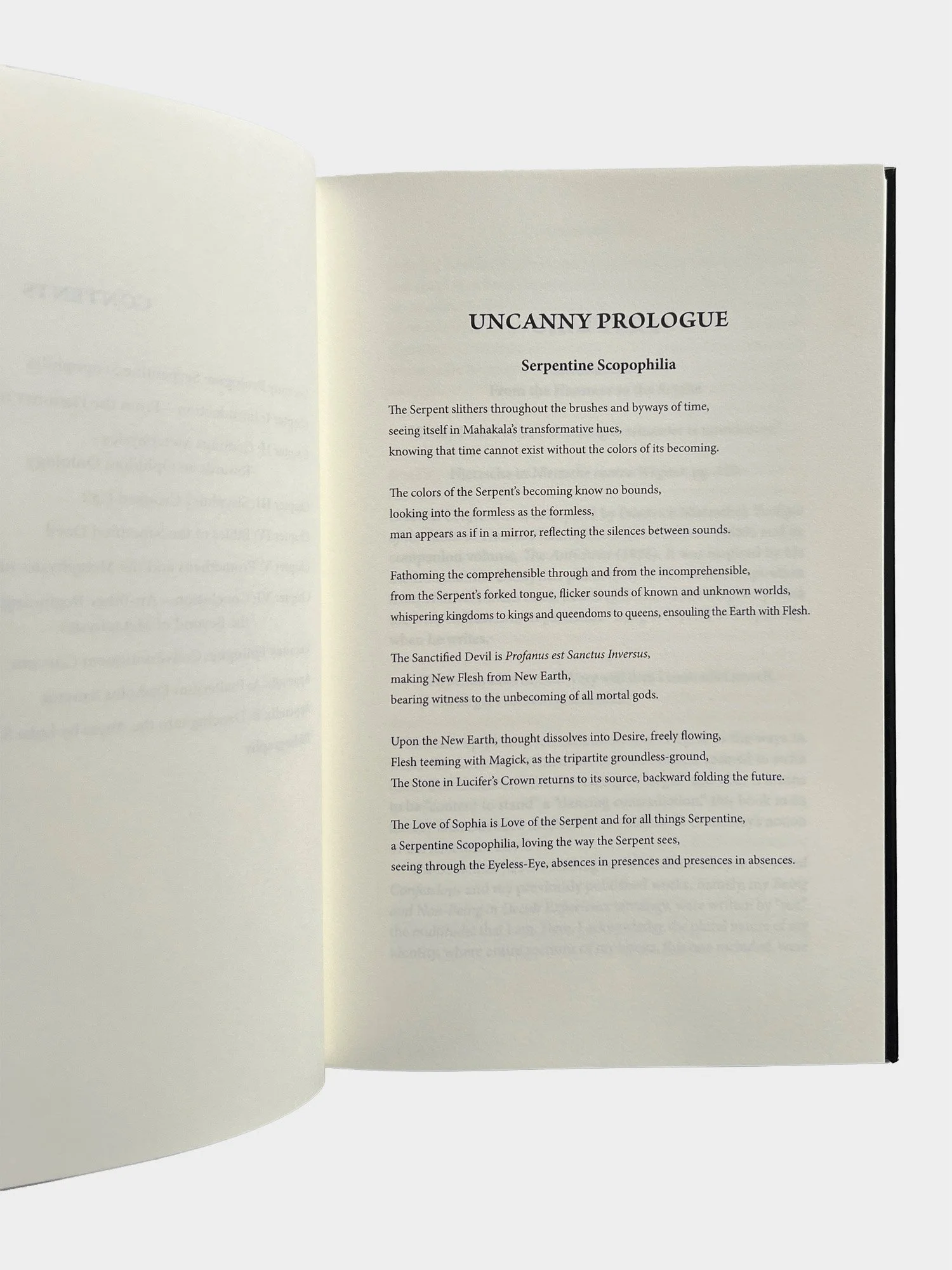
Uncanny Prologue: Serpentine Scopophilia

Chapter I: Introduction - From the Hammer to the Scythe

Chapter II: Geminus Metaphysics - Towards an Ophidian Ontology

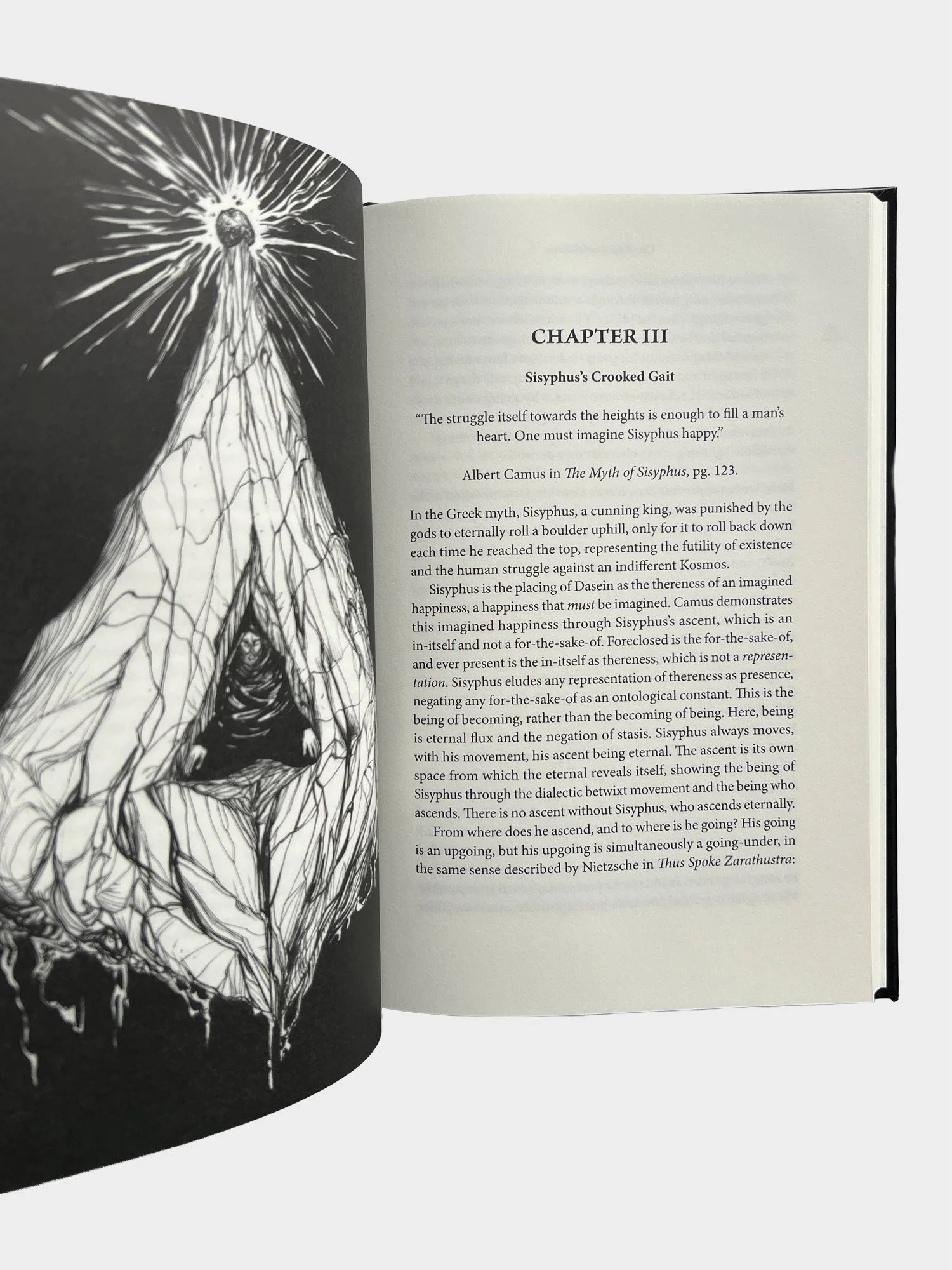
Chapter III: Sisyphus's Crooked Gait

Chapter IV: Ethics of the Sanctified Devil

Chapter V: Prometheus and the Metaphysics of Fire

Chapter VI: Conclusion - An-Other Beginning and the Beyond of Metaphysics

Uncanny Epilogue: Conversationem Curvum

Appendix A: Psalterium Diabolus Sanctus

Appendix B: Dancing into the Abyss by Luke S. Edwards

Bibhograpny

Description

Crooked Confessions are scatterings of torn letters dispersed from Edwards’ crooked mind, reflecting his own crooked timber, and by so doing, Kant is stood on his head.  They are Ophidian and Adversarial; being both between and beyond good and evil. Moreover, they explore the crossroads of temporal-spatial reality and the sorcerous and magickal ways of being in which such spaces become lived dwellings for praxis.

There are chapters on what can be described as an Ophidian Ontology, the notion of a “Sorcerous Sisyphus,” an Ethics of the Sanctified Devil, Prometheus and the Metaphysics of Fire, and more!  The book concludes with a Psalter of the Sanctified Devil, which the aspirant can use as part of their daily occult practice.