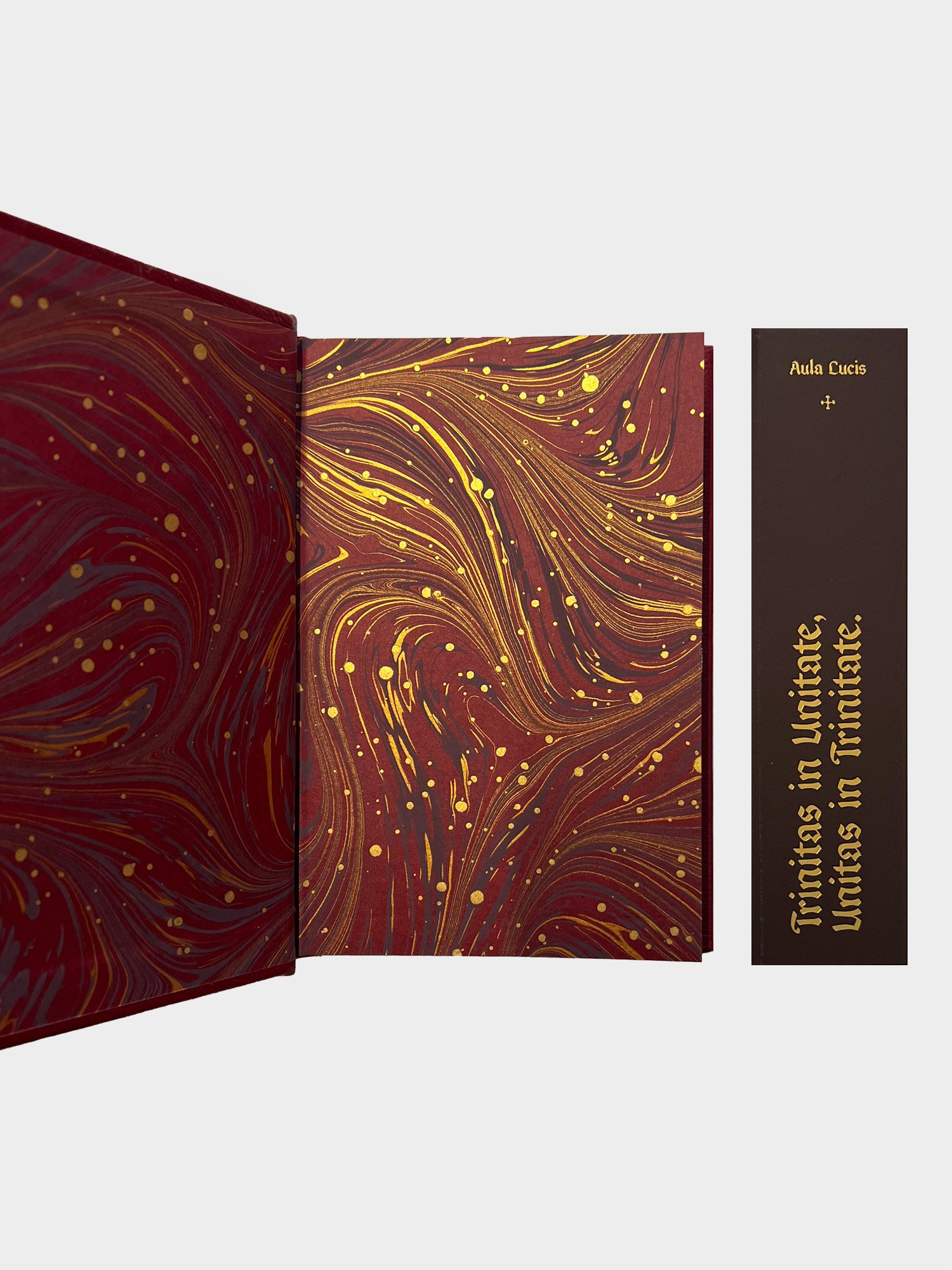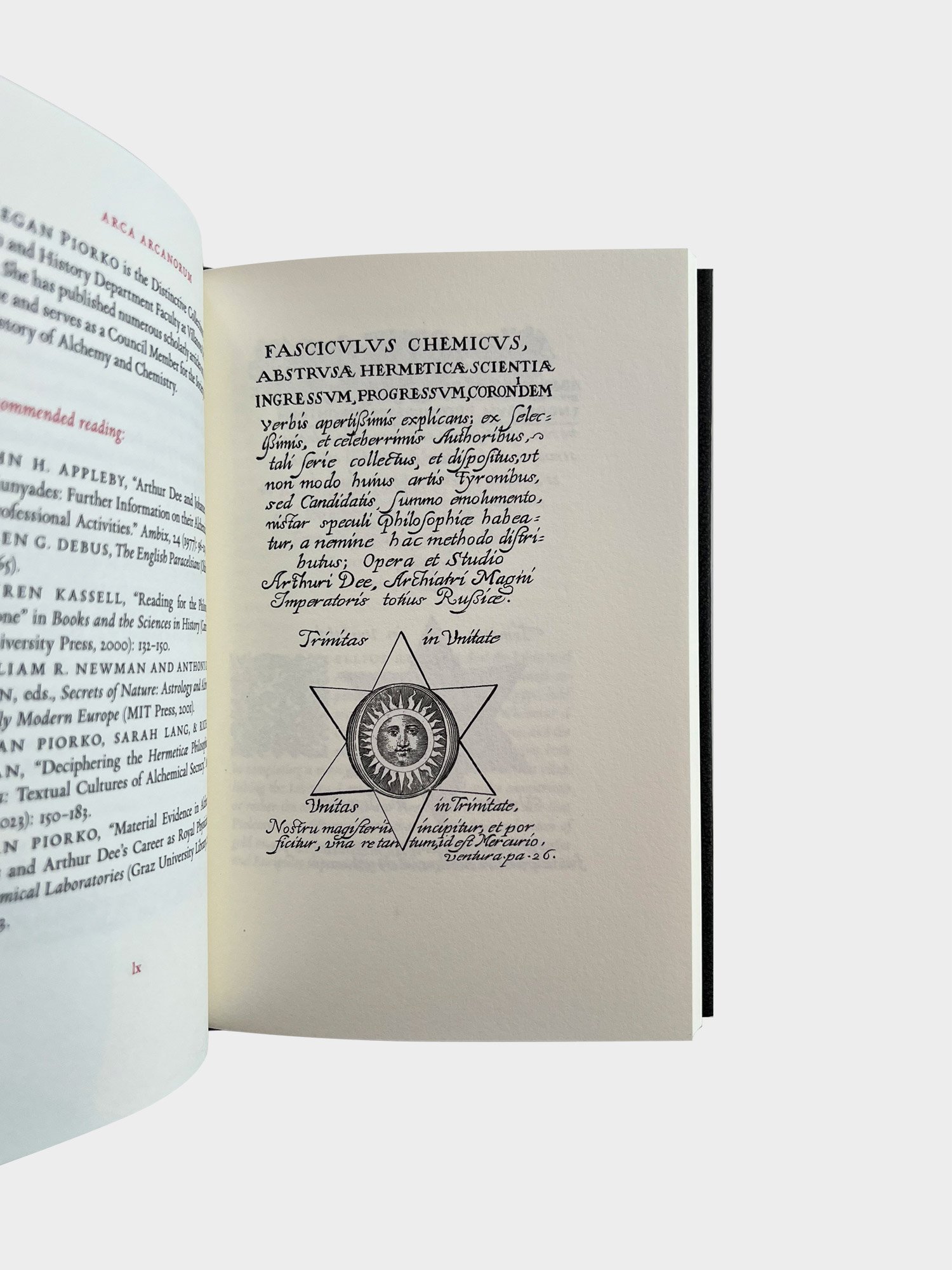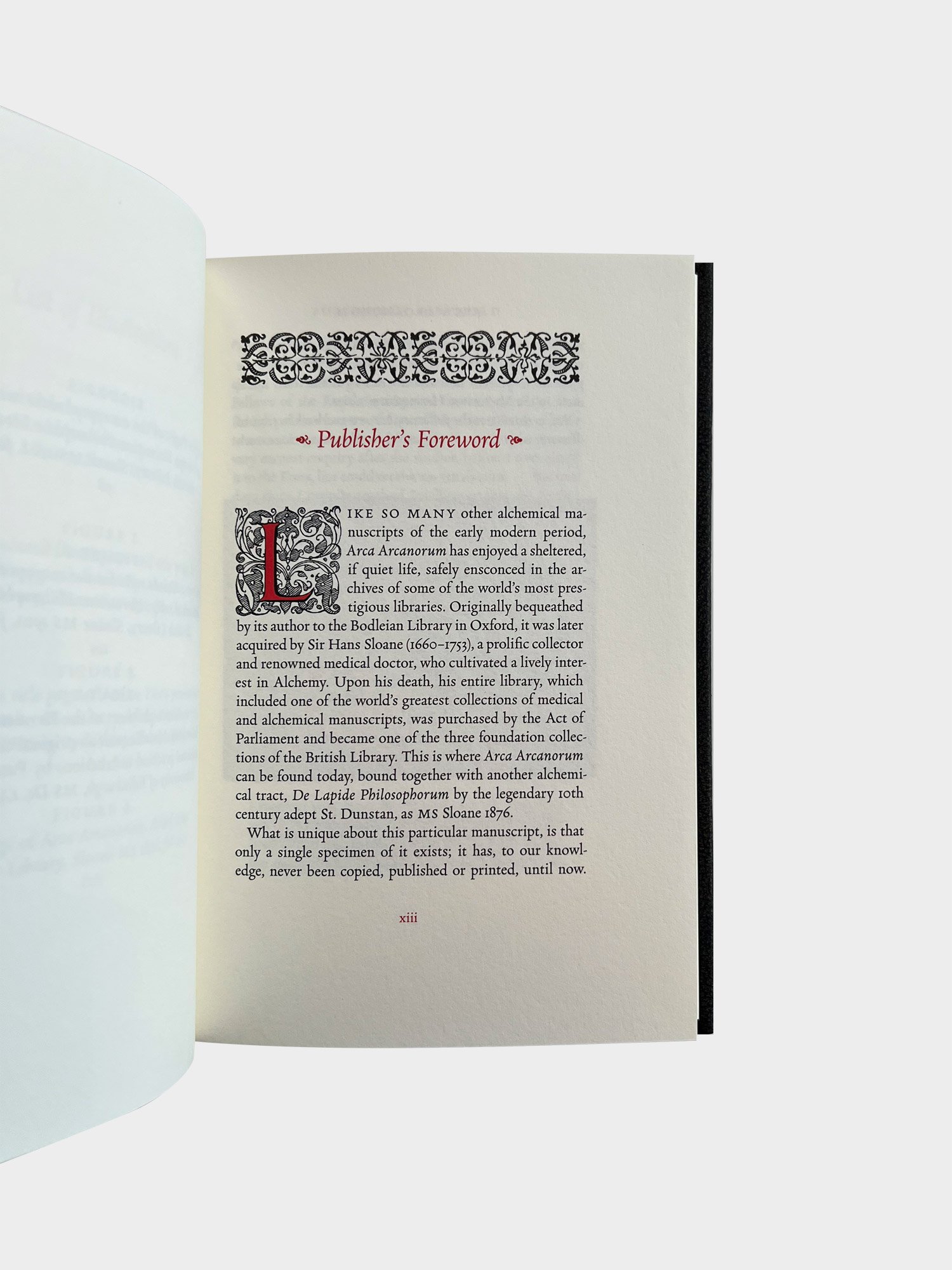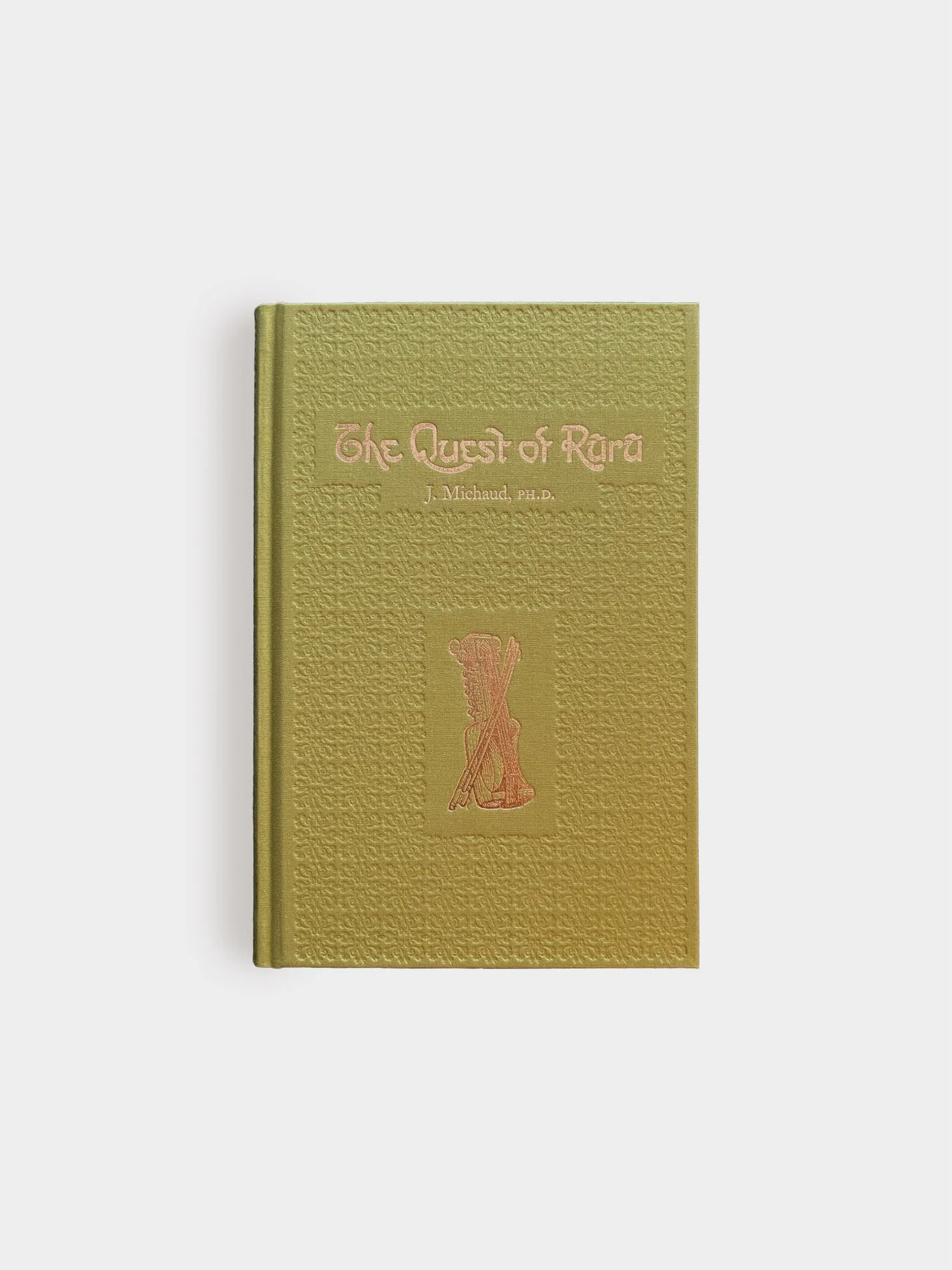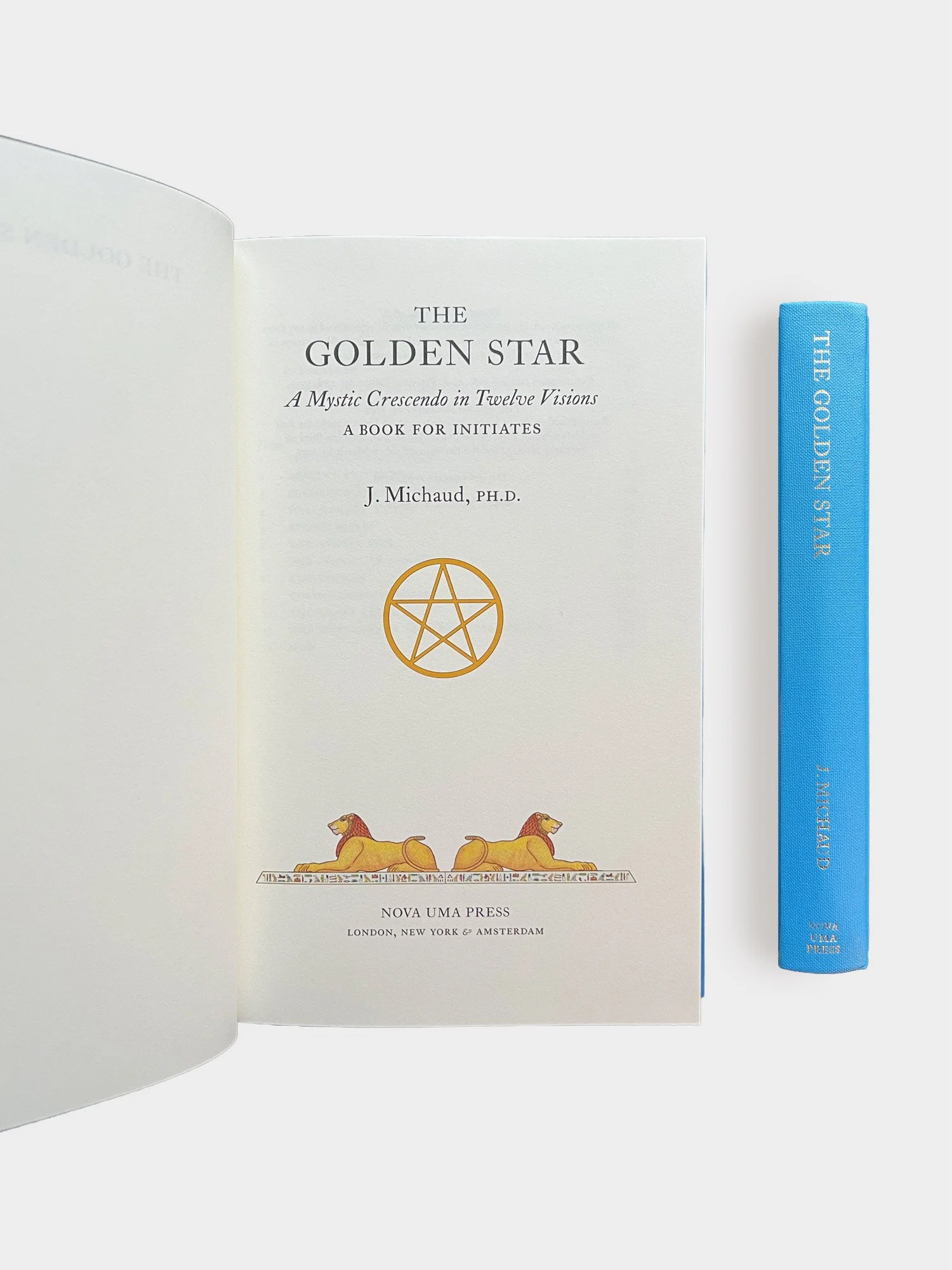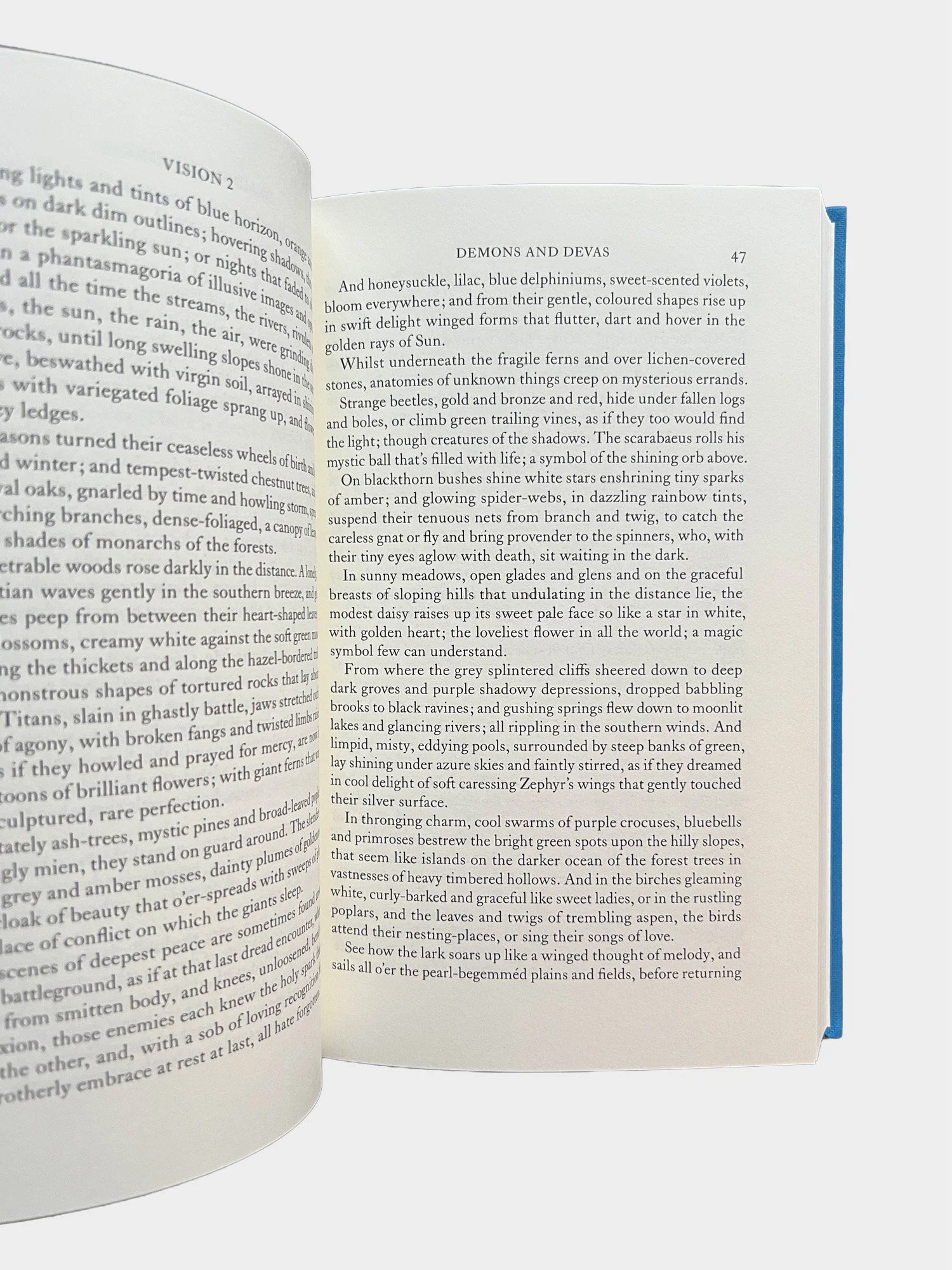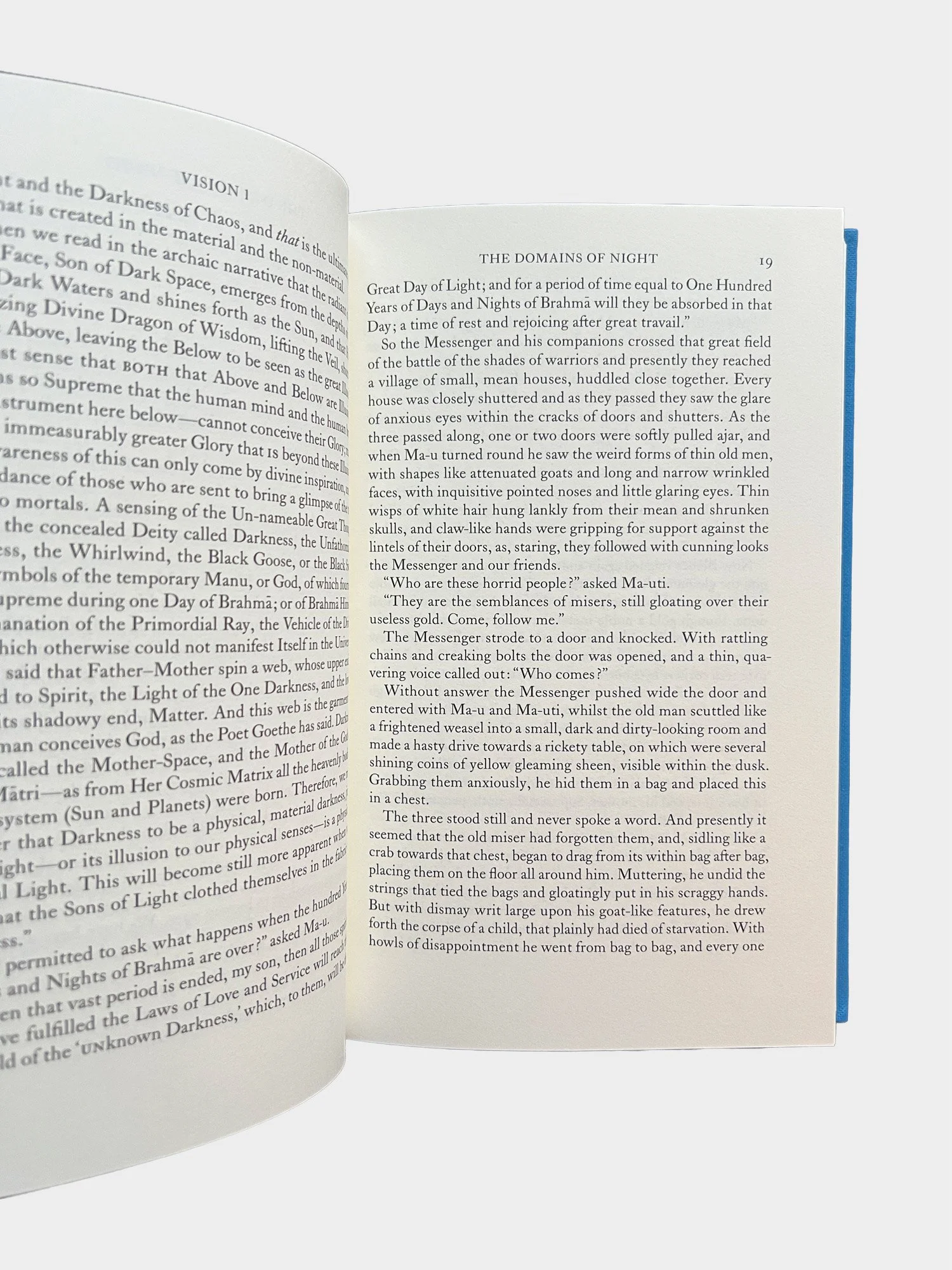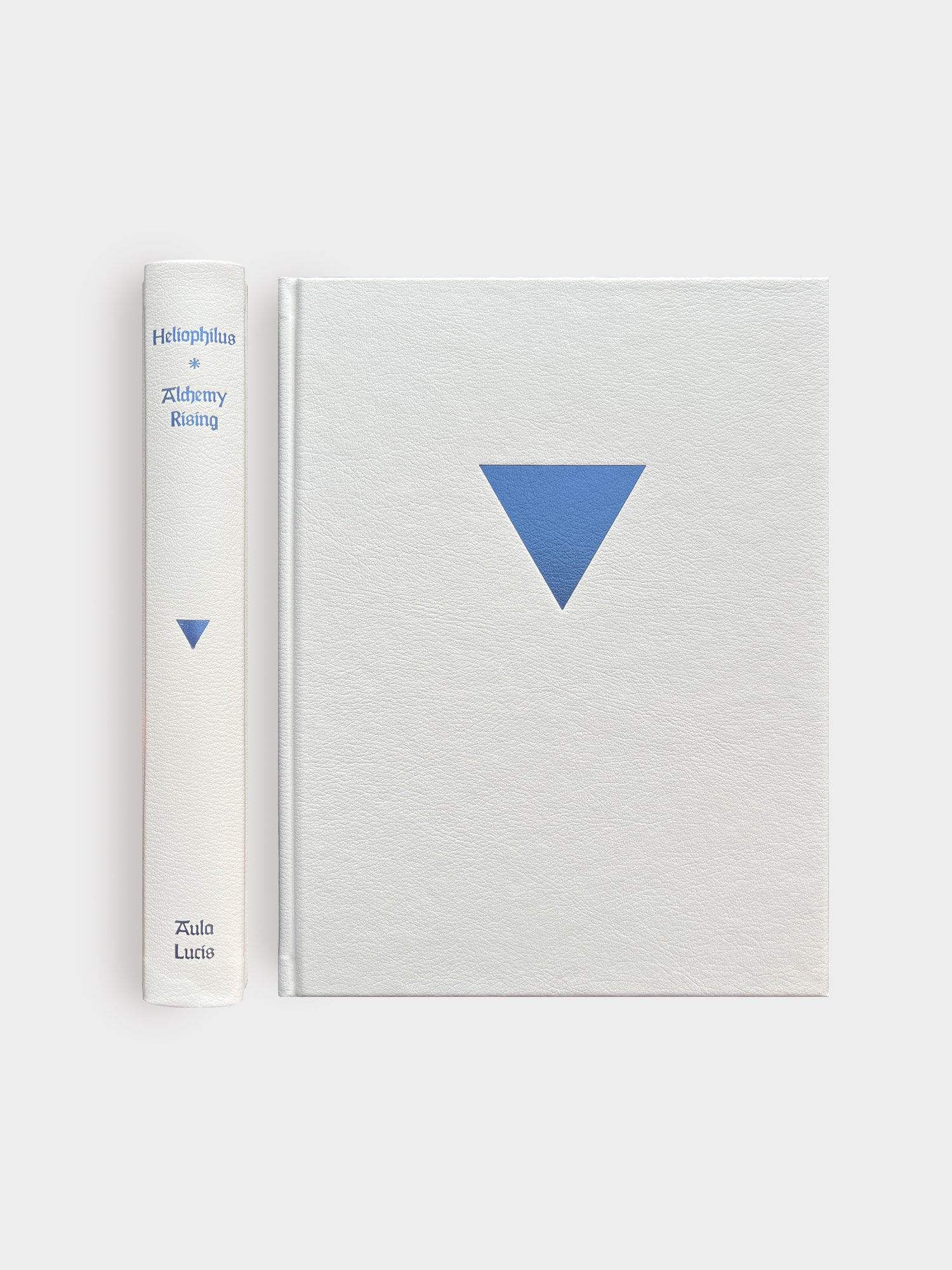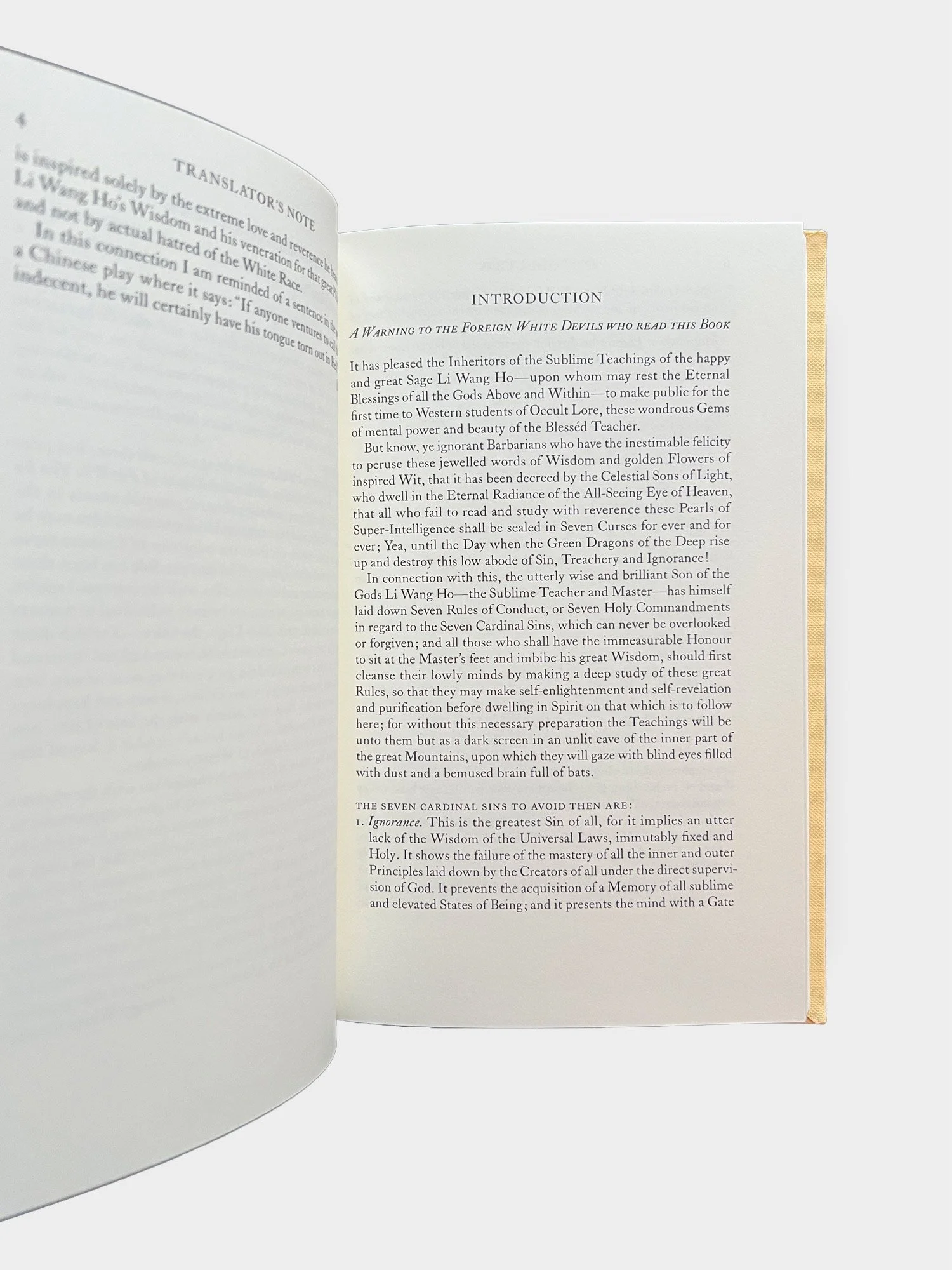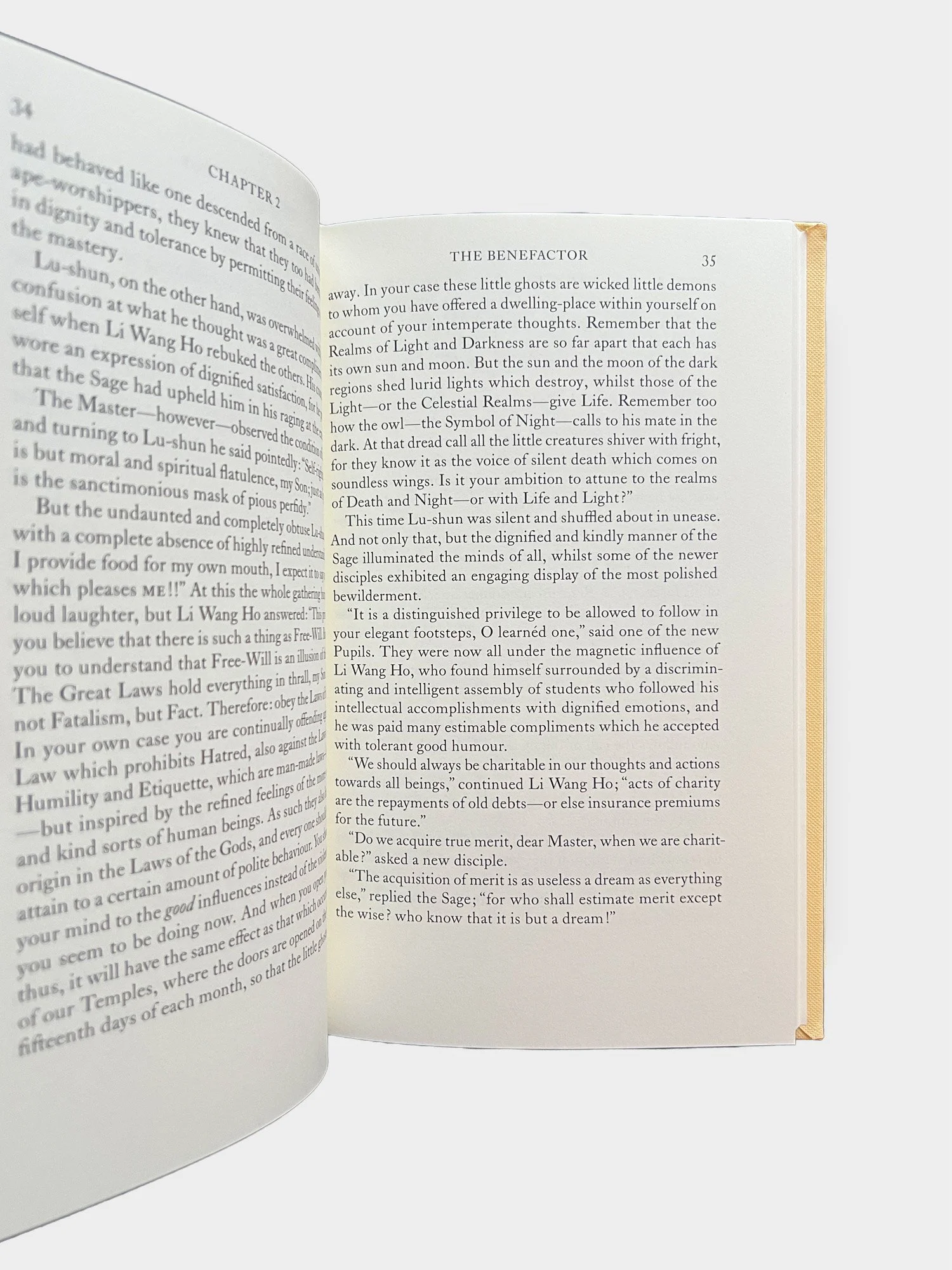
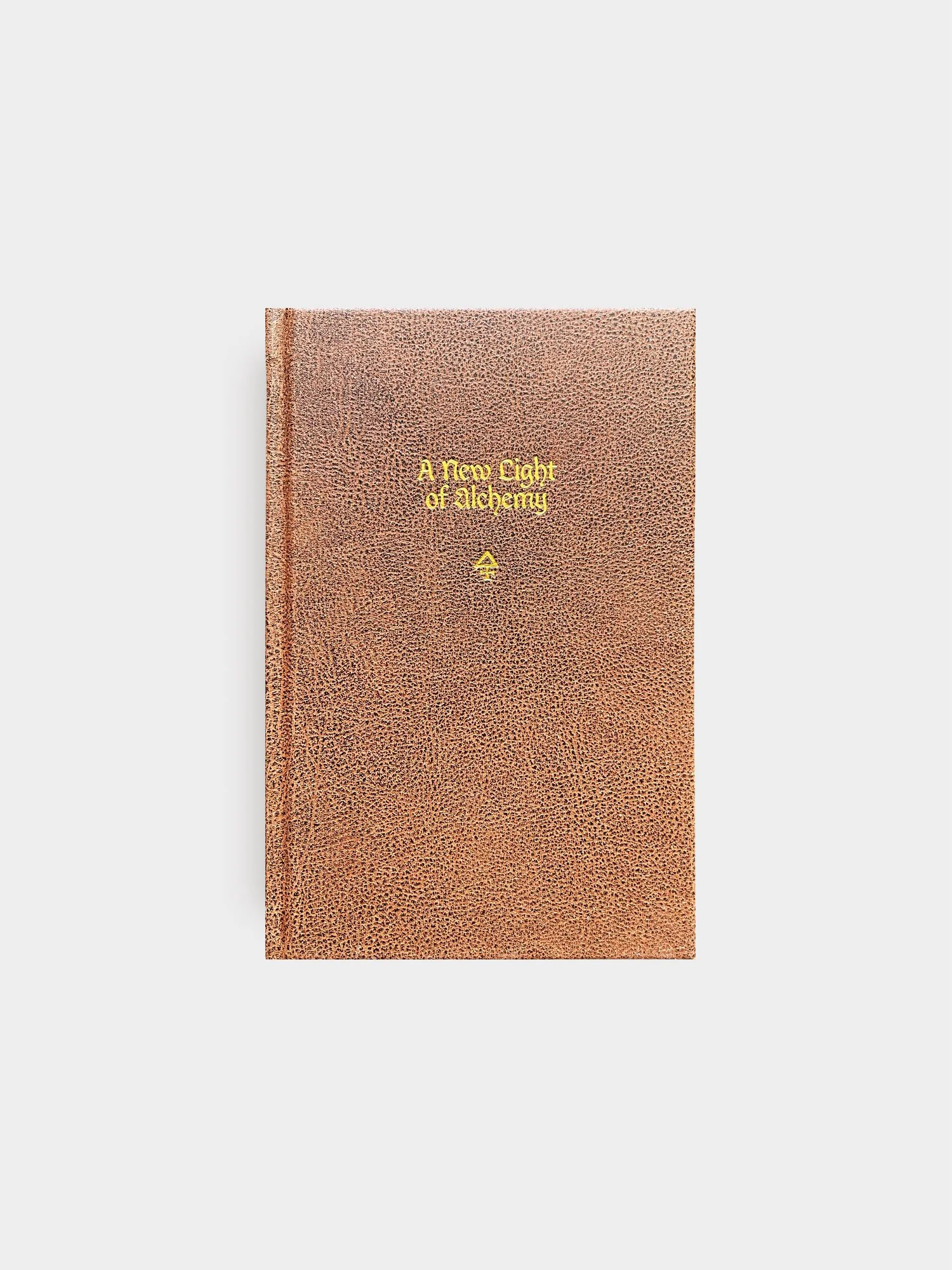
 Image 1 of 3
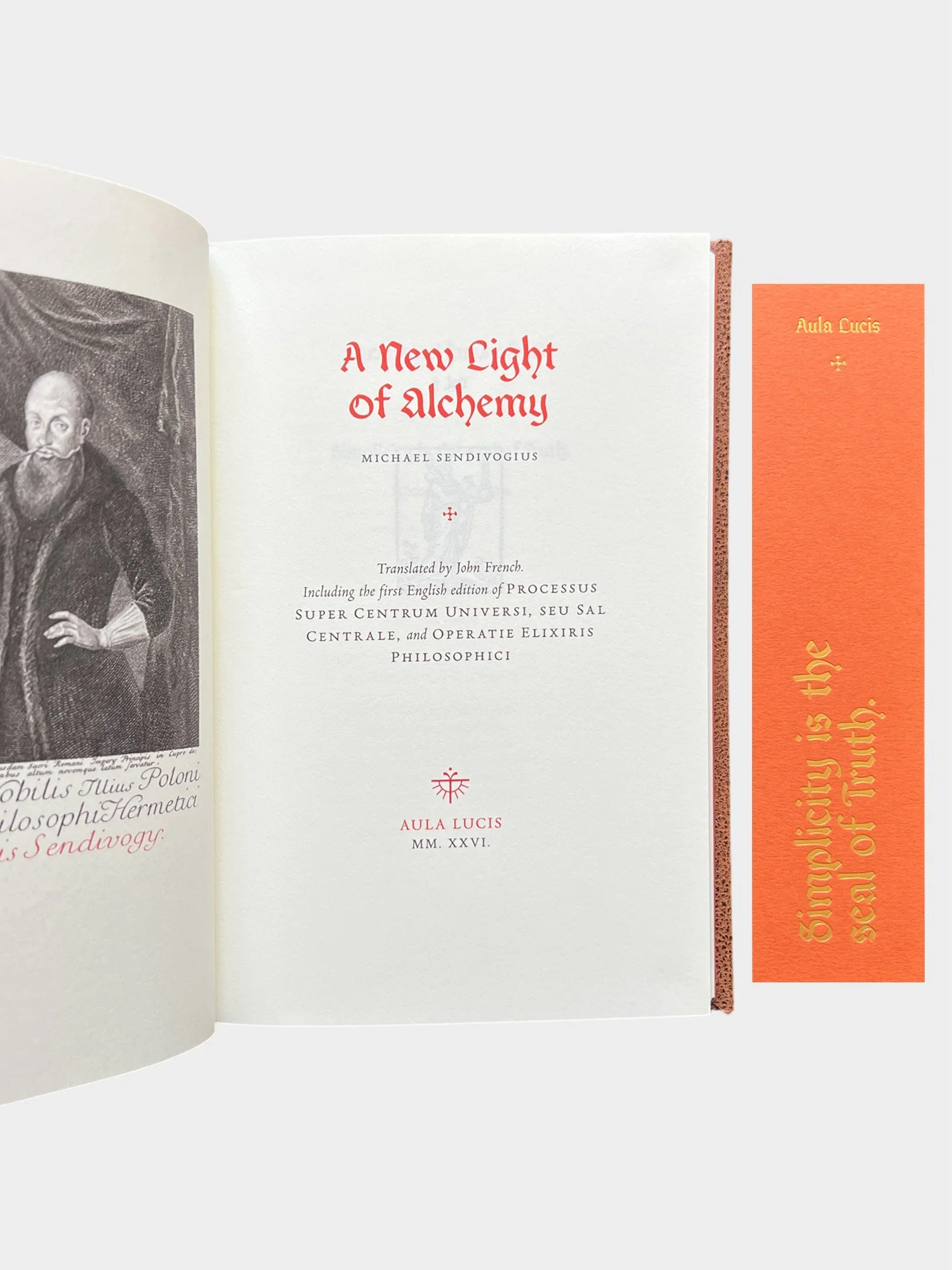 Image 2 of 3
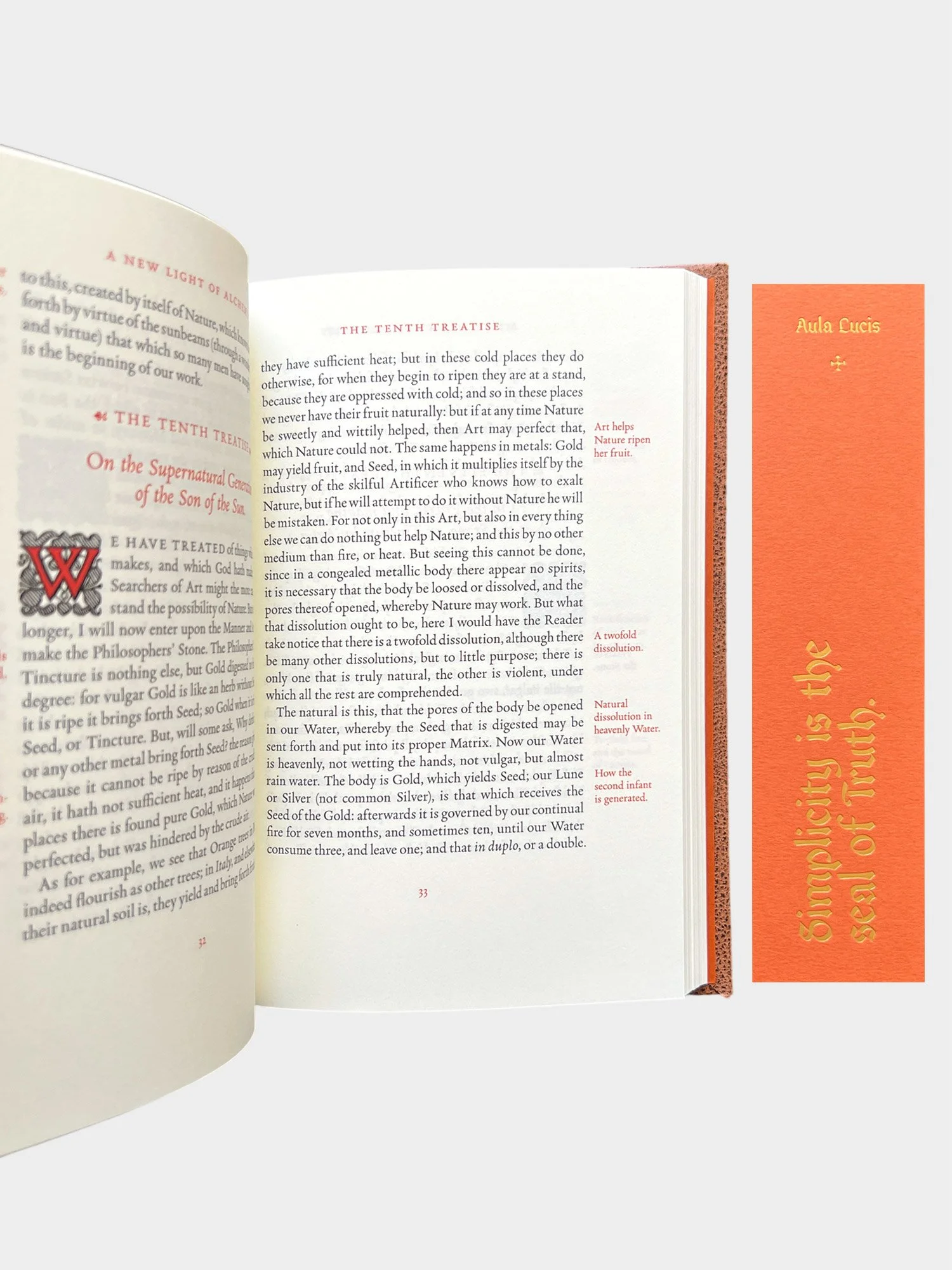 Image 3 of 3
-
Aula Lucis
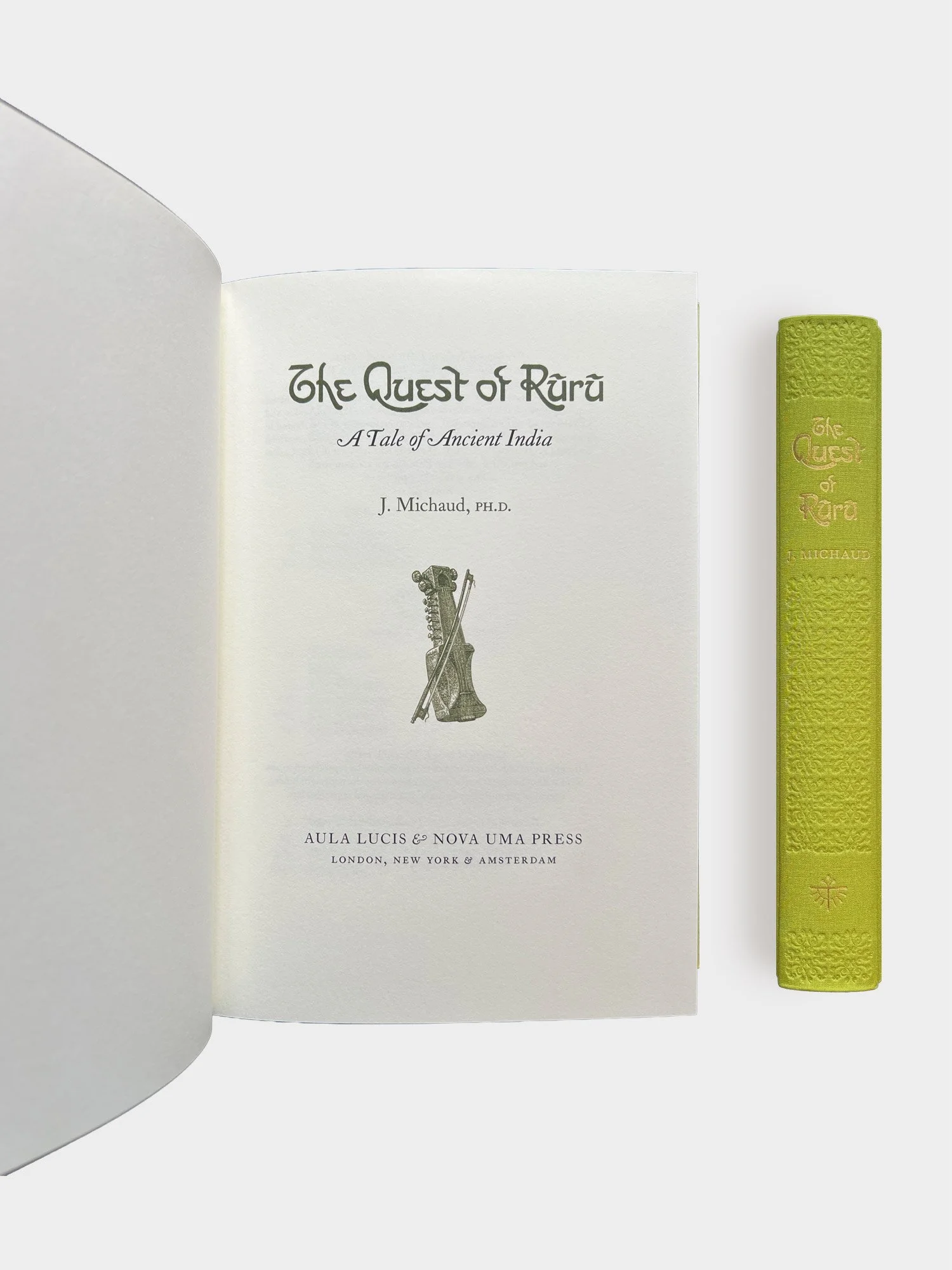
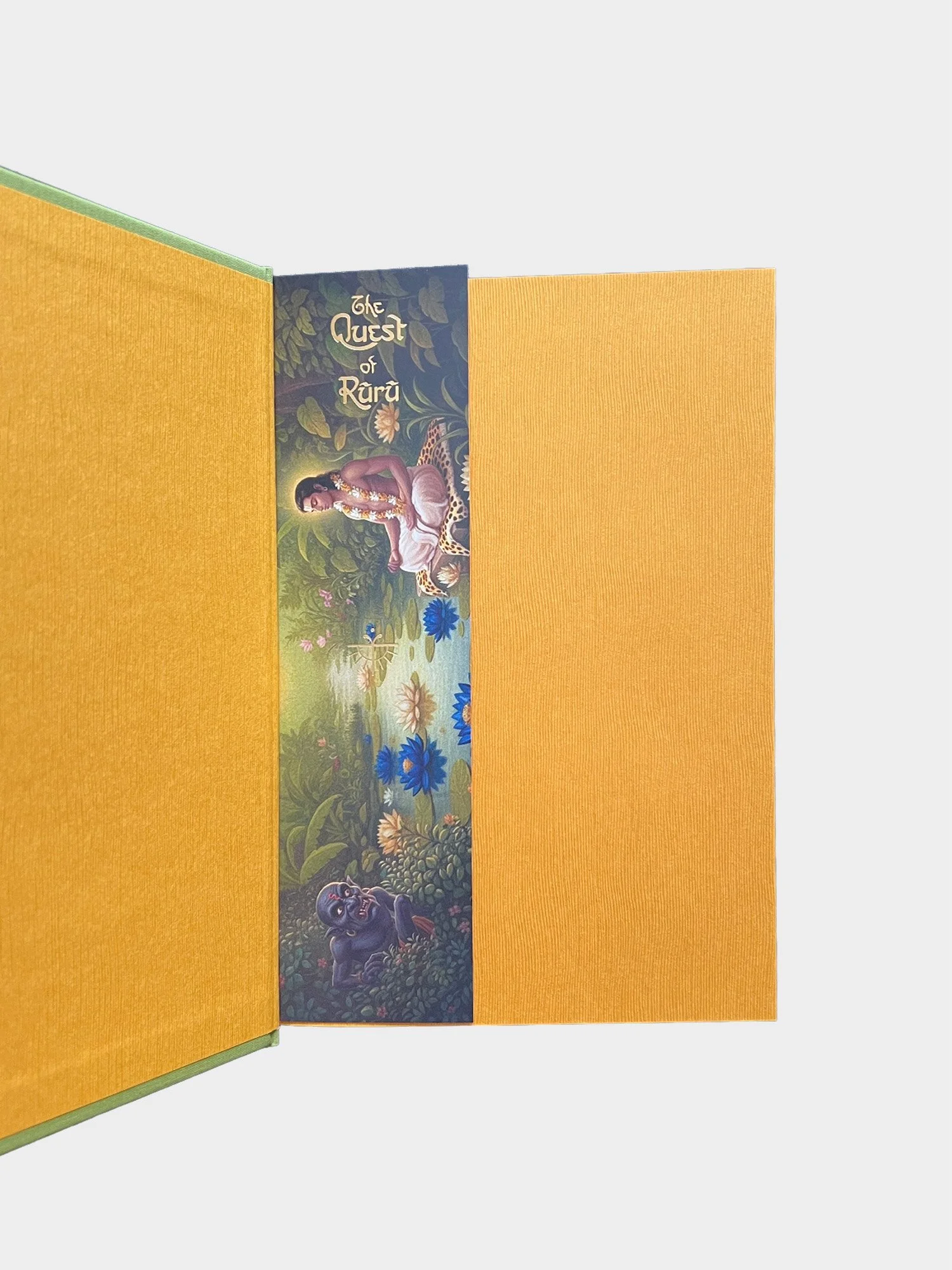
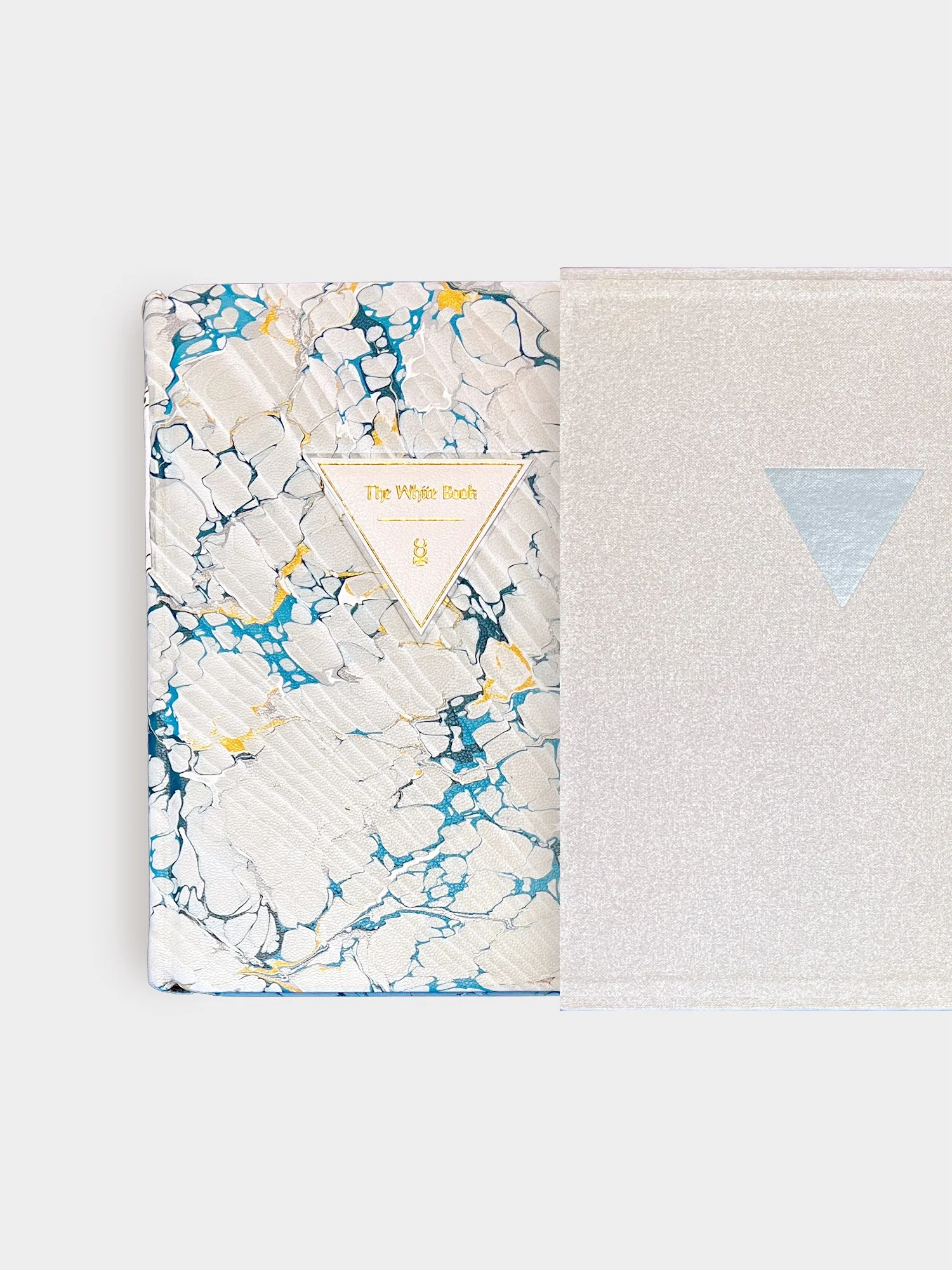
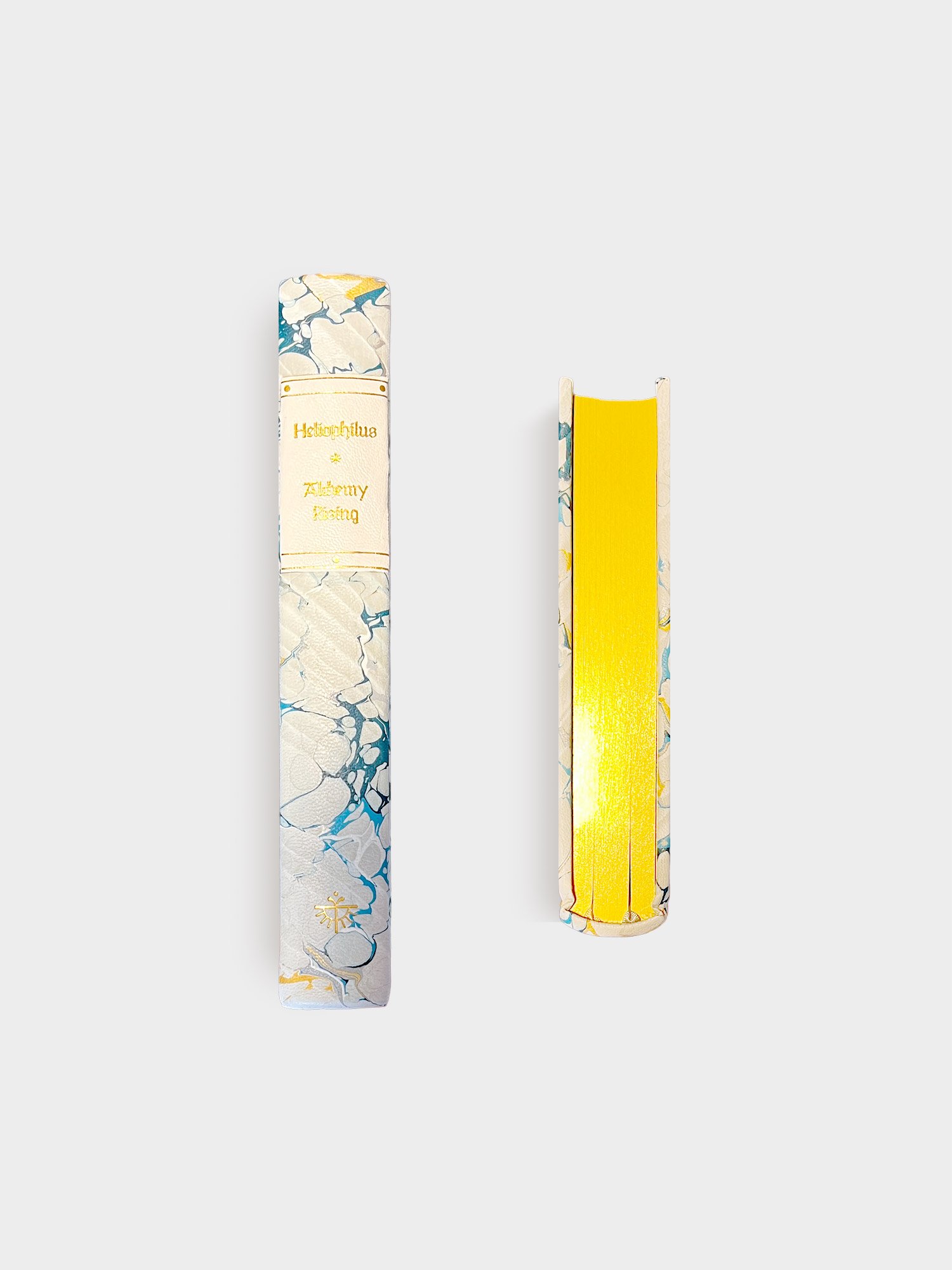
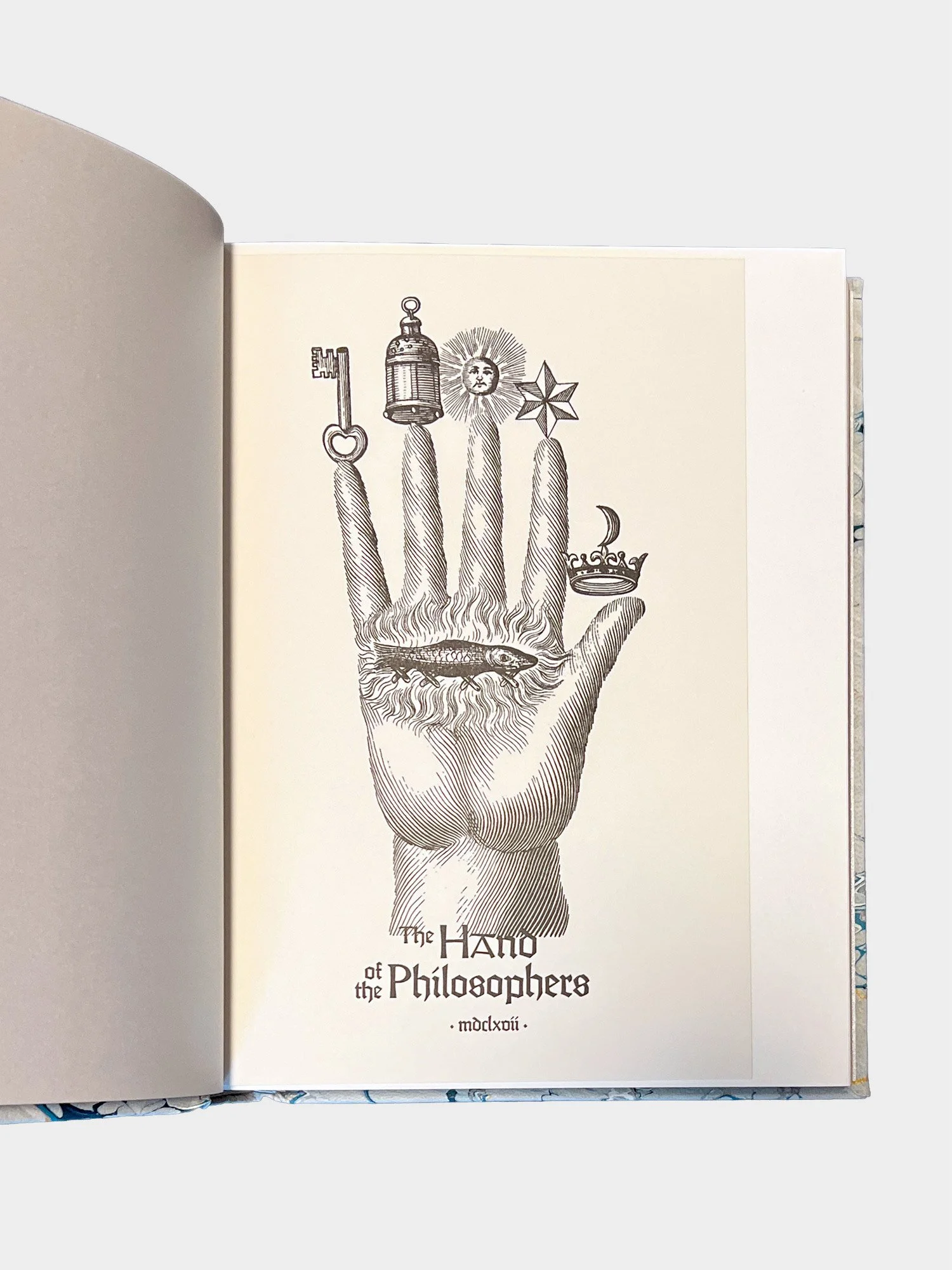
Classic EditionTrim size 180 x 120mm. Handbound in amber-coloured reconstituted leather, stamped in gold. Including thirteen duotone illustrations. Text set in Neacademia. Printed in duotone on Munken Pure Rough 100 gsm paper. Featuring coloured endpapers, head & tail band and a silk ribbon. Including seven duotone illustrations. 180 x 120 mm, 192 pp.
1st Edition, limited to 700 copies.
-
eucomply OÜ
Pärnu mnt 139b-14
11317 Tallinn, Estonia
hello@eucompliancepartner.com
www.eucompliancepartner.com*We ensure all our products comply with GPSR, CE marking, and other applicable EU Directives.
-
0. Classification: GPSR
1. Product Dimensions. 180 × 120 mm
2. Materials:
2.1 Interior Paper: Munken Pure Rough: FSC_C020637, PEFC_053399, EU Ecolabel, The paper is inspected for Nordic Ecolabelled printing , ECF, EMAS, Paper Profile, Safety of Toys, Food contact, Age resistant (ISO 9706), Woodfree, Cradle to Cradle Certified®, ISO 9001, ISO 50001
2.2 Cover Material: Winter & Company Wintan Vintage: Bonded leather fibres bio resin printed and embossed, base: Recycled leather fibres. ISO 3376 Tensile strength: MD 100 N / CD 90 N TAPPI T414 Tear resistance: MD 2680 mN / CD 2710 mN ISO 3376 Elongation: MD 2% /CD 3.6% ISO 105-X12 (Crockmeter) Colourfastness: MD 4-5 / CD 3-4 ISO 535 Cobb: 72 gsm. Reach compliant, PIW compliant, tested for harmful substances by Oeko-Tex, Leather standard 2017OK1025 AITEX.
3. Ink: Kingswood Inks High Quality Sheetfed Offset Ink - Globy Series
4. Printing Method: 4-Color Process Printing
5. Binding Method: Smyth Sewn
6. Country of Manufacturing (Printer and Binder): UK
7. Publisher: Between Friends Ltd., C/O Accountancy Partnership Twelve Quays House, Egerton Wharf, Wirral, CH41 1LD United Kingdom. info@betweenfriends.co.uk. +44 7538076526. UTR: 2353396141. Company registration number: 9171144
8. Manufacturer: Gomer Press Ltd, Llandysul Enterprise Park, Llandysul, Ceredigion SA44 4JL. tel : 01559 362371. email: sales@gomer.co.uk. Company registration number : 429329. VAT Number : 122 0971 04
9. EU Yearly Warranty: non-applicable
10. Age restrictions: For adults
11. Merchant: Anathema Publishing Ltd. (Les publications Anathema Ltée.): 228 rue du Prado, Gatineau, J9J 0M2, Quebec, Canada / Tel: 514-910-3357 / info@anathemapublishing.com / https://www.anathemapublishing.com/ / Business Number(s): Federal: 721230894 Provincial: 1172612724
-
Books are generally safe objects, however, here are some key hazards and risks potentially associated with books:
1. Physical Injury
- Paper cuts: Paper edges may cause minor cuts when mishandled.
- Falling books: Large or heavy books can cause injury if they fall from certain heights.
2. Health Risks
- No definite health risks associated with modern (i.e. more recent) books.
3. Fire Hazard
- Flammability: Books are made of paper and can catch fire near heat sources or flames.
4. Choking Hazard (for children)
- Small parts: Bookmarks, paper clips, or detachable parts can pose a choking risk for young children.
5. Ergonomic Risks
- Strain injuries: Prolonged reading in poor posture or holding heavy books may cause strain or injury.
6. Eye Strain
- Poor lighting or close reading: Reading in dim light or holding a book too close can cause eye fatigue or strain.
Description
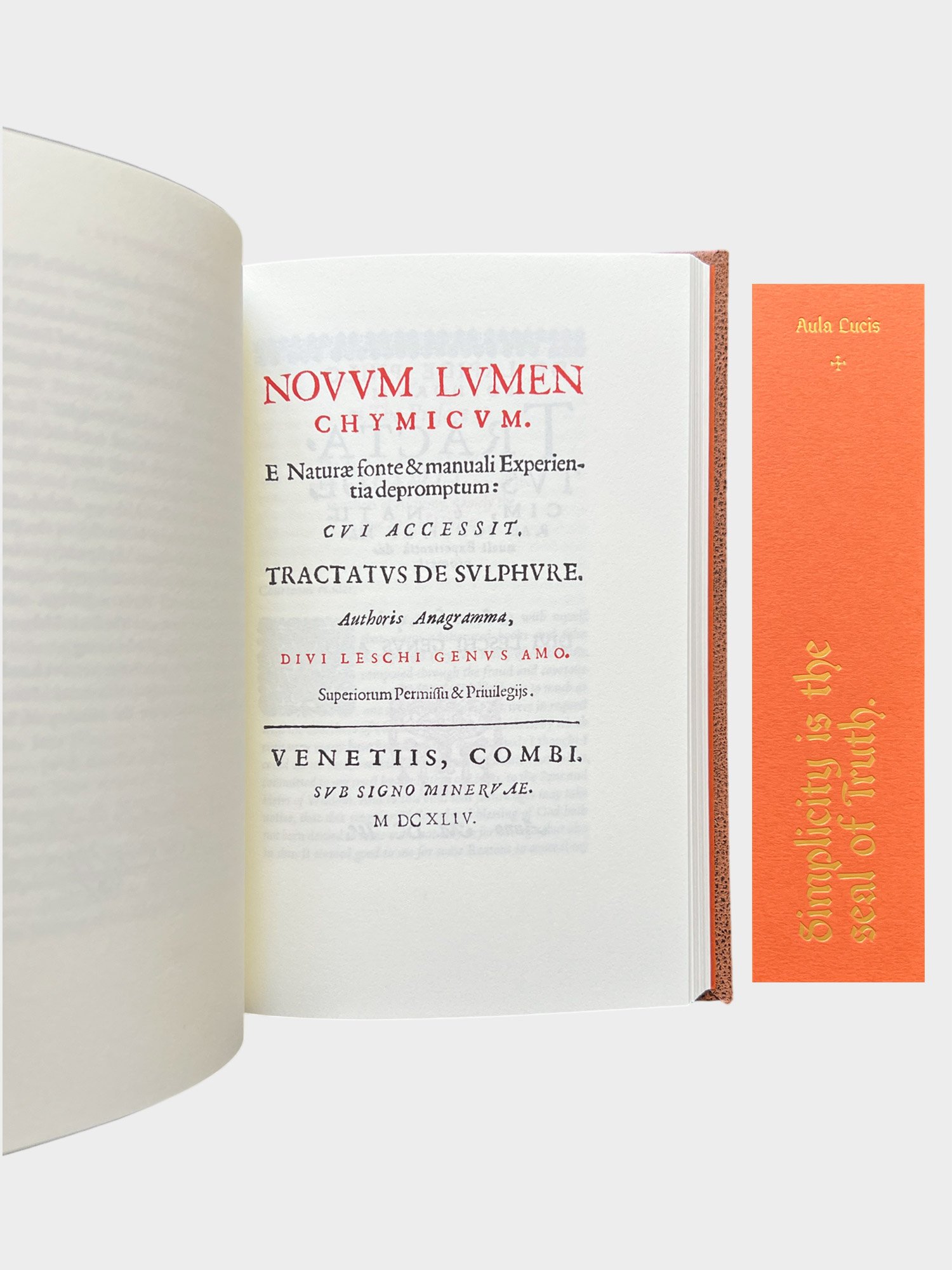
¶ No fewer than 60 editions of Novum Lumen Chymicum appeared in print before 1800, far outnumbering all other alchemical works published before or since. It was the only text recommended and admired by all three 17th-century authors presented in the Mysterium Hermeticum series thus far: Jean d‘Espagnet, Arthur Dee, and Thomas Vaughan. It is only apposite therefore to include it as the fifth and largest instalment in our ongoing investigation of the Hermetic mysteries. The author of that key work of alchemical literature was born in Cracow, then the capital of the Kingdom of Poland, on 2 February 1566. He was known in Poland as Michał Sędziwój, but remembered in posterity under the Latin version of his name—Michael Sendivogius, one of the greatest and most mysterious adepts of the 17th century.
¶ The unparalleled success and influence of the Polish alchemist’s literary legacy were due to several factors. Perhaps the most important was that his contemporaries regarded Sendivogius as a true possessor of the Philosophers’ Stone, as testified by Oswald Croll, Andreas Libavius, Michael Maier, and others. The latter enshrined him on the cover of his influential Symbola aureæ mensæ (1617) as the last of the twelve greatest alchemical adepts, counting from Hermes. The English translator of A New Light of Alchemy, John French, eulogised him in the same vein. But who was this mysterious adept, who concealed his identity under two ingenious anagrams, and performed one of the best-documented transmutations of the 17th century, in front of Emperor Rudolf II himself?
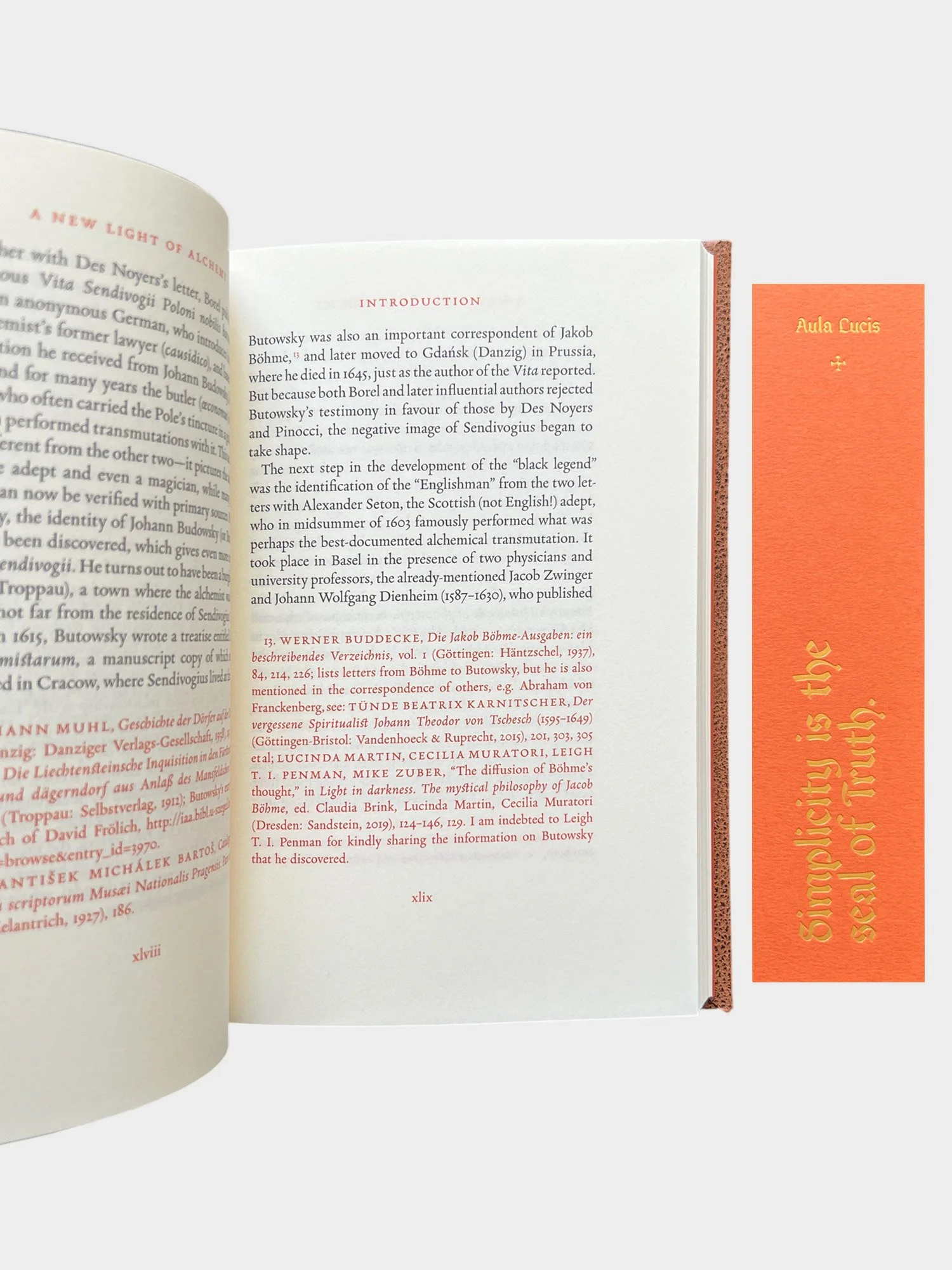
¶ “If you ask who I am, I am a Cosmopolite; if you know me and desire to show yourselves good and honest men, you shall hold your tongue; if you know me not, do not enquire after me, for I will reveal to no mortal man, whilst I live, more than I have done in this public writing.” For more than three centuries, the authorship of Novum Lumen Chymicum had been wrongly attributed to a Scottish alchemist, Alexander Seton. The misattribution was so pervasive that until recently, modern historiography of alchemy misrepresented the importance of Sendivogius and relied on false accounts of his life. In his magisterial 40-page Introduction, culminating over four decades of meticulous research and seeking to redress the historiographical errors of the past, Dr Rafał T. Prinke—a scholar of esotericism and the leading authority on Sendivogius—traces the origin and evolution of the “black legend,” proving unequivocally that the author of Novum Lumen Chymicum was none other than the Polish alchemist himself.
¶ In addition to the four treatises comprising the volume—these being Twelve Tracts on the Philosopher’s Stone, The Parable or Philosophical Riddle, The Dialogue with Mercury, and A Treatise on Sulphur—two more tracts are appended to the present edition. The first is the English translation of Operatie Elixiris Philosophici, originally written in Polish and Latin, most likely by the young Sendivogius. The text is important not only because it is the earliest known alchemical work in the Polish language, but especially for its unique form as a critical report from laboratory experiments in search of the Philosophical Elixir. The second Appendix is the first English translation of the famous Processus Universalis, in the expanded 1682 redaction of Johann Joachim Becher, entitled “The Process of Michael Sendivogius upon the Center of the Universe, or Central Salt.” It contains detailed instructions for carrying out the laboratory procedure in preparation of the Universal Menstruum and the Philosophers’ Stone. It appears plausible that it was based on notes made by witnesses of the operation performed by Sendivogius in Prague, and we rejoice in the opportunity to present it to the Reader in English for the very first time.